Armoise vulgaris oil (CAS 68991-20-8) — Green Middle Note Fragrance Ingredient
Armoise vulgaris oil
CAS 68991-20-8
What Is Armoise vulgaris oil?
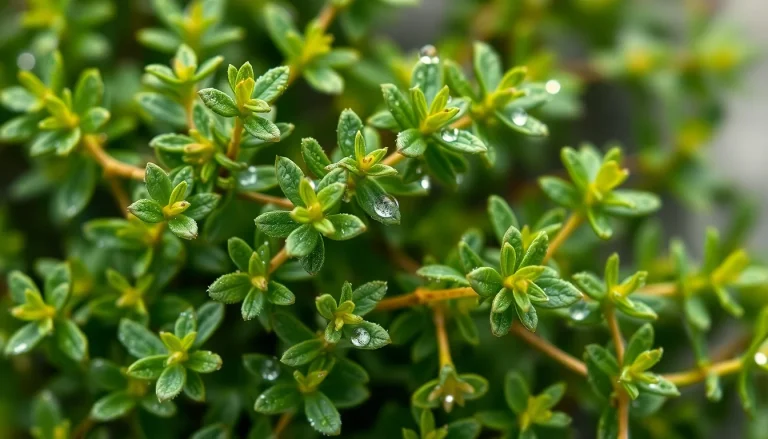
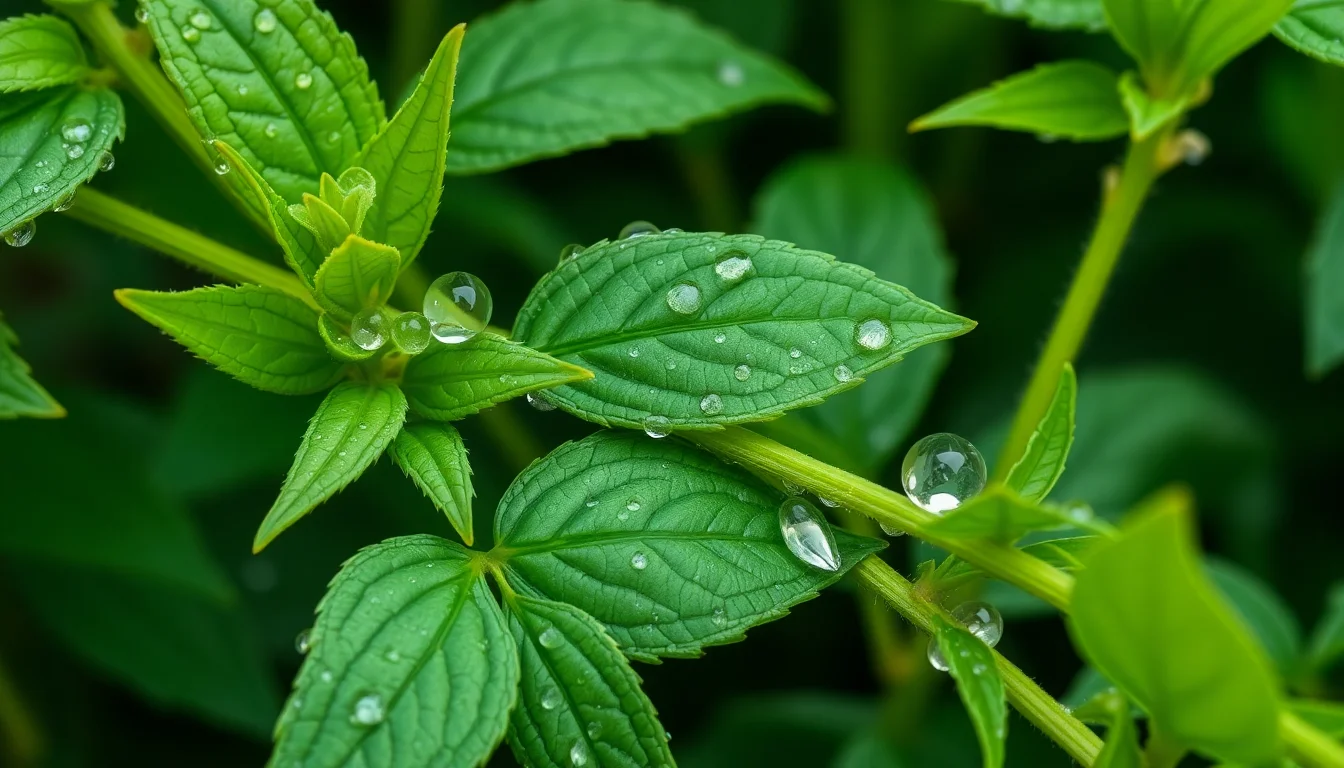
Armoise vulgaris oil, commonly known as mugwort oil, is extracted from the Artemisia vulgaris plant. People encounter it in herbal remedies, aromatherapy, and some niche perfumes. This oil matters for its unique herbal-green aroma with subtle bitter undertones, often used to create mystical or earthy fragrance profiles.
Safety Profile
USE WITH AWARENESSWhat Does Armoise vulgaris oil Smell Like?
Armoise vulgaris oil opens with a sharp, herbaceous punch reminiscent of crushed green leaves and damp earth. The heart reveals a complex interplay of bitter wormwood, faintly camphoraceous tones, and a whisper of dried hay. As it dries down, it leaves a lingering medicinal-green aura with a touch of smokiness, evoking ancient herbal remedies and wild meadows.
In Famous Fragrances
Fragrance associations may not reflect actual formulations.
Used for its dry, herbal character that enhances the fragrance’s desert wind illusion, blending with spices and amber to create an arid, mystical atmosphere.
Provides a bitter-green counterpoint to the citrus top notes, adding depth and an unconventional herbal twist to this classic cologne structure.
Chemistry, Properties & Perfumer Guide
The Chemistry
Armoise vulgaris oil is a complex mixture of monoterpenes and sesquiterpenes. Key components include camphor, 1,8-cineole, and α-thujone. The oil is obtained through steam distillation of the flowering tops and leaves. Thujone content varies significantly by growing region and harvest time, contributing to its regulatory status in some markets.
Physical & Chemical Properties
| Appearance | Pale yellow to greenish liquid |
|---|---|
| Density | 0.89-0.92 g/cm³ |
| Refractive Index | 1.460-1.480 |
Perfumer Guide
| Application | Typical % | Range | Notes |
|---|---|---|---|
| Fine Fragrance | 0.5-2% | Up to 5% | Used sparingly for herbal complexity |
| Aromatherapy | 1-3% | Up to 10% | Diluted in carrier oils |
Classic Accords
Tip: Use in trace amounts to add intriguing bitterness to green or woody compositions.
Alternatives & Comparisons
More intense wormwood character with higher thujone content, for when a stronger bitter note is desired.
Safety, Regulatory & Sustainability
⚠ Regulatory Disclaimer
General reference only. Consult current IFRA Standards Library before formulating.
IFRA Status
No specific IFRA restrictions. General guidelines for Artemisia oils apply regarding thujone content.
EU Allergen Declaration
Not listed as EU allergen but contains potential sensitizers.
GHS Classification
RIFM Assessment
RIFM has evaluated related Artemisia species but specific data on A. vulgaris oil is limited.
Sustainability
Wild harvesting concerns exist in some regions. Sustainable cultivation is increasing in Europe and North America. Steam distillation is energy-intensive but produces minimal waste compared to solvent extraction methods.
Explore Armoise vulgaris oil
Browse essential oils and aroma compounds.
Browse on iHerb →Affiliate disclosure: we may earn a small commission at no extra cost to you.
References
- Lopes-Lutz et al. (2008). Chemical composition and antibacterial activity of Artemisia oils. Journal of Agricultural and Food Chemistry. DOI: 10.1021/jf073363h
Data: PubChem (NIH), PubMed, RIFM, IFRA. Last reviewed: Apr 2026.
Report a data errorIngredient Data Sheet
CAS 68991-20-8Physical data: PubChem (NIH/NLM), U.S. EPA CompTox Dashboard, EPA OPERA models, RDKit. Odor & flavor: Arctander (Perfume & Flavor Chemicals), Fenaroli's Handbook of Flavor Ingredients, Leffingwell. Thresholds: van Gemert (Compilations of Odour Threshold Values). Regulatory: IFRA Standards 51st, FEMA GRAS. Trade names: Surburg (Common Fragrance & Flavor Materials). All data compiled and cross-referenced for perfumertools.com.
Related Research
- 5-Butyl-4-methyldihydrofuran-2(3H)-one (CAS 39212-23-2) — Sweet Middle Note Fragrance Ingredient
- Menthyl acetate (CAS 16409-45-3) — Fresh Top Note Fragrance Ingredient
- Piper longum CO2 extract (CAS 90082-60-3) — Spicy Middle Note Fragrance Ingredient
- Diethyl malonate (CAS 105-53-3) — Sweet Top to middle Note Fragrance Ingredient