Cedarwood oil, Chinese (CAS 1159574-01-2) — Woody Base Note Fragrance Ingredient
Cedarwood oil, Chinese
CAS 1159574-01-2
What Is Cedarwood oil, Chinese?
Chinese cedarwood oil is a warm, woody essential oil derived from the Cupressus funebris tree. You’ll encounter it in masculine colognes, home fragrances, and natural aromatherapy products. This oil matters because it provides a distinctive dry, pencil-shaving woodiness that differs from other cedar varieties, making it a signature note in certain fragrance families.
Safety Profile
GENERALLY SAFEWhat Does Cedarwood oil, Chinese Smell Like?
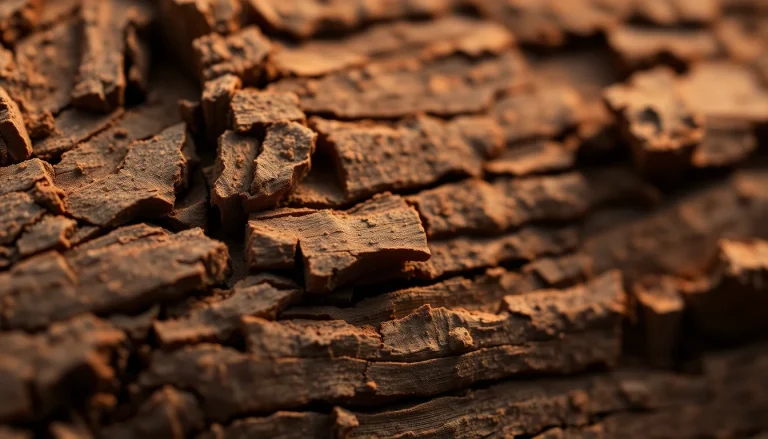
Chinese cedarwood oil opens with sharp, pencil-like wood shavings – imagine freshly sharpened cedar pencils with a faintly camphoraceous edge. The heart reveals dry, aromatic facets reminiscent of antique wooden chests, with subtle resinous undertones. Unlike Virginian cedarwood, it lacks the sweet ambery base, instead drying down to a clean, slightly smoky woodiness with excellent tenacity. The overall character is drier and more austere than other cedar varieties, making it ideal for creating minimalist woody accords.
In Famous Fragrances
Fragrance associations may not reflect actual formulations.
Used for its dry, mineralic wood character that complements the flinty citrus opening, creating a modern interpretation of earthy elegance.
Chinese cedarwood provides the crisp pencil-shaving quality that defines this minimalist woody composition, contrasting with sandalwood’s creaminess.
Chemistry, Properties & Perfumer Guide
The Chemistry
Chinese cedarwood oil primarily contains sesquiterpenes including cedrol, thujopsene, and cuparene. The composition differs significantly from Virginian or Texas cedarwood oils, with higher levels of widdrol and lower cedrene content. This chemical profile creates its distinctive dry character. The oil is steam-distilled from heartwood chips, with the aging process of the wood prior to distillation affecting the final scent profile.
Physical & Chemical Properties
| Appearance | Pale yellow to amber liquid |
|---|---|
| Boiling Point | 250-300 °C (estimated) |
Perfumer Guide
| Application | Typical % | Range | Notes |
|---|---|---|---|
| Fine Fragrance | 1-3% | 0.5-5% | Base note woody fixative |
| Home Fragrance | 2-5% | 1-8% | Dry woody character |
Classic Accords
Tip: Use to add dryness and structure to woody bases without adding sweetness.
Alternatives & Comparisons
Softer, sweeter wood character with more pronounced amber facets when a less austere cedar note is desired.
Safety, Regulatory & Sustainability
⚠ Regulatory Disclaimer
General reference only. Consult current IFRA Standards Library before formulating.
IFRA Status
No restrictions under current IFRA standards.
RIFM Assessment
Considered safe for current use levels based on RIFM assessment.
Sustainability
Chinese cedarwood is generally sustainable as it’s harvested from managed plantations. The trees are typically grown for timber first, with distillation using byproducts. However, increasing demand has led to some overharvesting concerns in certain regions.
Explore Cedarwood oil, Chinese
Browse essential oils and aroma compounds.
Browse on iHerb →Affiliate disclosure: we may earn a small commission at no extra cost to you.
References
- Lawrence, B.M. (2005). Cedarwood Oils. Perfumer & Flavorist, 30, 28-44.
Data: PubChem (NIH), PubMed, RIFM, IFRA. Last reviewed: Apr 2026.
Report a data errorIngredient Data Sheet
CAS 1159574-01-2Physical data: PubChem (NIH/NLM), U.S. EPA CompTox Dashboard, EPA OPERA models, RDKit. Odor & flavor: Arctander (Perfume & Flavor Chemicals), Fenaroli's Handbook of Flavor Ingredients, Leffingwell. Thresholds: van Gemert (Compilations of Odour Threshold Values). Regulatory: IFRA Standards 51st, FEMA GRAS. Trade names: Surburg (Common Fragrance & Flavor Materials). All data compiled and cross-referenced for perfumertools.com.
Related Research
- Allyl butyrate (CAS 2051-78-7) — Sweet Top Note Fragrance Ingredient
- Butyl phenylacetate (CAS 122-43-0) — Sweet Heart Note Fragrance Ingredient
- (+)-(R)-Citronellol (CAS 1117-61-9) — Floral Middle Note Fragrance Ingredient
- Tetrahydro-2-isobutyl-4-methyl-2H-pyrane (CAS 13477-62-8) — Floral Top to Middle Note Fragrance Ingredient