Cedarwood Oil Virginia (CAS 8000-27-9) — Woody Base Note Fragrance Ingredient
Cedarwood Oil Virginia
CAS 8000-27-9
What Is Cedarwood Oil Virginia?
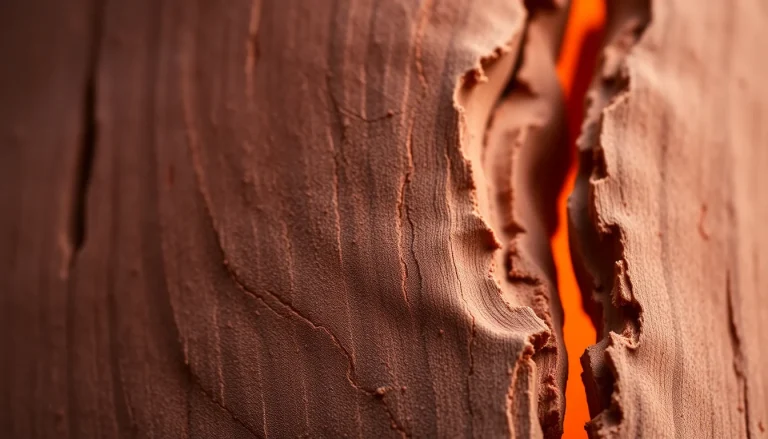
Cedarwood Oil Virginia is a warm, woody essential oil distilled from the bark of Eastern Red Cedar trees. You’ll find it in men’s colognes, home fragrances, and natural insect repellents. This oil carries the nostalgic scent of cedar chests and freshly sharpened pencils. Its importance lies in being one of perfumery’s most versatile woody bases, providing longevity and a dry, slightly sweet woodiness that blends well with citrus, spices, and leather accords.
Safety Profile
GENERALLY SAFE
What Does Cedarwood Oil Virginia Smell Like?
Virginia Cedarwood opens with a crisp, pencil-shaving sharpness – dry and slightly camphoraceous, like walking into an old library with wooden shelves. As it settles, the heart reveals a warmer character: honeyed sawdust with whispers of sandalwood-like creaminess and a faintly smoky undertone. The dry-down is remarkably persistent, leaving a clean, masculine woodiness reminiscent of well-worn leather and antique furniture. Unlike Atlas Cedar’s sharper profile, Virginia Cedarwood has a rounded sweetness that makes it more versatile in oriental and fougère compositions.
Scent Profile
In Famous Fragrances
Fragrance associations may not reflect actual formulations.
Used for its dry, mineralic woodiness that complements the flint accord, adding depth to the citrus-vetiver structure without overwhelming the composition.
Provides the sandalwood-like creaminess in the woody base, blending with rose and cinnamon to create a warm, luxurious masculine signature.
Used as a supporting wood note to soften the medicinal oud, adding a dry, pencil-shaving texture that makes the oud more wearable.
Balances the green vetiver with its honeyed wood tones, creating a clean yet warm foundation reminiscent of sun-baked cedar decks.
Forms the core wood accord with sandalwood, evoking the scent of freshly carved Buddhist temple woodwork with its dry, slightly resinous character.
Chemistry, Properties & Perfumer Guide
The Chemistry
Virginia Cedarwood Oil is primarily composed of sesquiterpenes, with cedrene (35-50%) and thujopsene (15-25%) as major constituents. These bicyclic terpenes are responsible for its characteristic dry wood scent. The oil is steam-distilled from Juniperus virginiana heartwood, where these compounds develop as natural preservatives. Unlike Atlas Cedar (Cedrus atlantica), Virginia Cedarwood contains higher levels of cedrol, contributing to its creamier dry-down. Modern production often involves fractional distillation to remove waxy components and standardize odor profiles for perfumery use.
Chemical Composition
Physical & Chemical Properties
| Boiling Point | 250-260 °C |
|---|---|
| Flash Point | 100 °C |
| Density | 0.945-0.965 g/cm³ |
| Refractive Index | 1.495-1.510 |
| Solubility | Soluble in alcohol, insoluble in water |
Key Constituent Properties
| Constituent | CAS | MW | BP °C | XLogP | Vapor P. |
|---|---|---|---|---|---|
| α-Cedrene | 469-61-4 | 204.35 | 262 | 5.2 | 0.01 mmHg |
| Thujopsene | 470-40-6 | 204.35 | 263 | 5.3 | 0.01 mmHg |
| Cedrol | 77-53-2 | 222.37 | 291 | 4.1 | 0.0004 mmHg |
Perfumer Guide
| Application | Typical % | Range | Notes |
|---|---|---|---|
| Fine Fragrance | 1-5% | Up to 10% | Provides woody depth without overpowering |
| Soaps/Detergents | 0.5-2% | Up to 3% | Adds masculine character to cleansers |
| Home Fragrance | 2-8% | Up to 15% | Creates warm, comforting wood accords |
| Insect Repellents | 5-10% | Up to 20% | Natural moth deterrent properties |
Classic Accords
+ Bergamot + Lavender = Fougère
+ Vetiver + Oakmoss = Chypre
+ Leather + Birch Tar = Russian Leather
Tip: Fractionate or dilute to prevent crystallization in high concentrations.
Alternatives & Comparisons
Sharper, more camphoraceous profile from Cedrus atlantica. Use when needing brighter wood notes without Virginia’s sweetness.
Synthetic amber-woody material with similar dry wood character but greater diffusion. Useful when natural oil variability is problematic.
Synthetic woody-amber material that enhances cedar’s dry aspects while adding radiance. Blends well with Virginia Cedarwood.
Safety, Regulatory & Sustainability
⚠ Regulatory Disclaimer
General reference only. IFRA, REACH, EU Cosmetics Regulation standards update periodically. Consult current IFRA Standards Library before formulating. Not legal or regulatory advice.
IFRA Status
No IFRA restrictions. Listed as safe for all applications under IFRA standards.
EU Allergen Declaration
None. Not listed in EU allergen regulation (EC) No 1223/2009.
GHS Classification
H317 May cause allergic skin reaction
RIFM Assessment
RIFM safety assessment confirms safe use at current industry levels. No evidence of phototoxicity.
Sustainability
Virginia Cedarwood is sustainably harvested from managed forests in North America, primarily as a byproduct of lumber production. The distillation process is energy-intensive but produces minimal waste. Synthetic alternatives exist but lack the complexity of natural cedarwood. Recent efforts focus on improving distillation efficiency and supporting reforestation programs to maintain sustainable yields.
Explore Cedarwood Oil Virginia
Browse essential oils and aroma compounds.
Affiliate disclosure: we may earn a small commission at no extra cost to you.
Industry & Science Data
References
- Lawrence, B.M. (2003). Cedarwood Oils. Perfumer & Flavorist, 28, 54-57. Industry Journal
- Tisserand, R. & Young, R. (2014). Essential Oil Safety. Elsevier. Safety Reference
- Burdock, G.A. (2010). Fenaroli’s Handbook of Flavor Ingredients. CRC Press. Technical Data
Data: PubChem (NIH), PubMed, RIFM, IFRA. Last reviewed: Mar 2026.
Ingredient Data Sheet
CAS 8000-27-9Physical data: PubChem (NIH/NLM), U.S. EPA CompTox Dashboard, EPA OPERA models, RDKit. Odor & flavor: Arctander (Perfume & Flavor Chemicals), Fenaroli's Handbook of Flavor Ingredients, Leffingwell. Thresholds: van Gemert (Compilations of Odour Threshold Values). Regulatory: IFRA Standards 51st, FEMA GRAS. Trade names: Surburg (Common Fragrance & Flavor Materials). All data compiled and cross-referenced for perfumertools.com.
Related Research


![8-Isopropyl-6-methylbicyclo[2.2.2]oct-5-ene-2-carbaldehyde (CAS 67845-30-1) — Woody Middle Note Fragrance Ingredient](https://thegoodscents.company/wp-content/uploads/2026/04/8-isopropyl-6-methylbicyclo-2-2-2-oct-5-ene-2-carbaldehyde-1-768x439.webp)