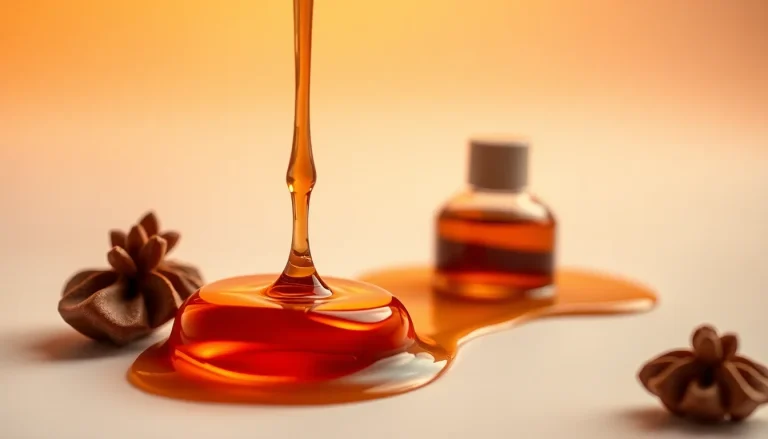
Cinnamyl propionate (CAS 103-56-0) — Sweet Middle Note Fragrance Ingredient
Cinnamyl propionate
CAS 103-56-0
What Is Cinnamyl propionate?
Cinnamyl propionate is a synthetic fragrance compound that imparts a warm, spicy-sweet aroma reminiscent of cinnamon and vanilla. It’s commonly found in perfumes, candles, and household products where a comforting bakery-like scent is desired. This ingredient matters because it adds depth and warmth to fragrance compositions, creating an inviting atmosphere without relying on natural cinnamon extracts that can be irritating to sensitive skin.
Safety Profile
USE WITH AWARENESSWhat Does Cinnamyl propionate Smell Like?
Cinnamyl propionate unfolds with an initial burst of warm cinnamon spice, quickly softening into a rich, balsamic sweetness reminiscent of vanilla-infused caramel. The dry-down reveals a subtle floral undertone that prevents the scent from becoming cloying. Compared to raw cinnamon oil, it offers a rounder, more diffusive quality – like freshly baked cinnamon rolls with a drizzle of honey rather than the sharp pungency of ground spices.
In Famous Fragrances
Fragrance associations may not reflect actual formulations.
Used to amplify the cinnamon accord while smoothing out the rough edges of natural spice notes. Provides a gourmand warmth that complements the tobacco base.
Adds a subtle spicy counterpoint to the patchouli-chocolate accord. The propionate ester gives a more diffusive cinnamon effect than cinnamaldehyde.
2D Molecular Structure
SMILES: CCC(=O)OCC=CC1=CC=CC=C1
Chemistry, Properties & Perfumer Guide
The Chemistry
Cinnamyl propionate is an ester formed from cinnamyl alcohol and propionic acid. As a synthetic molecule, it offers consistent quality without the variability of natural cinnamon extracts. The esterification process creates a more stable compound than cinnamaldehyde, with reduced skin sensitization potential while maintaining the desirable warm-spicy character.
Physical & Chemical Properties
| Appearance | Colorless to pale yellow liquid |
|---|---|
| Boiling Point | ~250°C (estimated) |
| Density | ~1.03 g/cm³ (estimated) |
Perfumer Guide
| Application | Typical % | Range | Notes |
|---|---|---|---|
| Fine Fragrance | 0.5-2% | Up to 5% | Spicy modifier |
| Candles | 1-3% | Up to 8% | Adds warm gourmand character |
Classic Accords
Tip: Use with citrus top notes to create dynamic spicy-citrus contrasts that evolve beautifully on skin.
Alternatives & Comparisons
For a brighter, more fruity-spicy character with slightly better diffusion in the top notes.
Safety, Regulatory & Sustainability
⚠ Regulatory Disclaimer
General reference only. Consult current IFRA Standards Library before formulating.
IFRA Status
No restrictions under current IFRA standards.
RIFM Assessment
Considered safe for use in fragrances at current usage levels by RIFM.
Sustainability
As a synthetic material, cinnamyl propionate reduces pressure on natural cinnamon resources. The production process is energy-efficient compared to extracting natural cinnamon compounds. Being fully synthetic, it avoids issues of agricultural sourcing variability.
Explore Cinnamyl propionate
Browse essential oils and aroma compounds.
Browse on iHerb →Affiliate disclosure: we may earn a small commission at no extra cost to you.
References
- Burdock, G.A. (2010). Fenaroli’s Handbook of Flavor Ingredients. CRC Press.
Data: PubChem (NIH), PubMed, RIFM, IFRA. Last reviewed: Apr 2026.
Report a data errorIngredient Data Sheet
CAS 103-56-0Physical Properties
| Molecular Weight | 190.24 g/mol🔬 PubChem |
| LogP (Octanol-Water) | 2.7🔬 PubChem |
| Boiling Point | 288.5 °C🔬 EPA CompTox |
| Vapor Pressure | 0.0224 mmHg @ 25°C📊 OPERA |
| Flash Point | 131.3 °C🔬 EPA CompTox |
| Involatility Index | 0.0017💻 Calculated |
| log Kp (skin permeability) | -1.943💻 Calculated |
| SMILES | CCC(=O)OCC=CC1=CC=CC=C1🔬 PubChem |
Volatility & Performance
| Fragrance Note | Base💻 Calculated |
| Volatility Class | Very slow💻 Calculated |
| Persistence Score | 2.9 / 5💻 Calculated |
Odor & Flavor
| Primary Descriptors | balsamicfloralfruityrosespicy• leffingwell |
| Functional Groups | esteretheralkenearomatic💻 RDKit |
| “Fruity-balsamic, but also floral (rather rosy) odor with mild cinnamon-like undertone.”📖 Arctander | |
| Cinnamyl propionate has a spicy, fruital odor with a woody, balsamic undernote and a sweet, warm, powerful, spicy taste.📖 Fenaroli | |
Flavor Notes (Arctander)
| “Sweet, warm, fruity-spicy taste of considerable power. Used in flavor compositions for imitation Apple, Berry, Chocolate, Currant, Grape, Peach, Pear, Pineapple.”📖 Arctander |
Regulatory Status
| FEMA Number | FEMA 2301⚖️ FEMA GRAS |
| GRAS Status | Generally Recognized as Safe⚖️ FEMA GRAS |
Physical data: PubChem (NIH/NLM), U.S. EPA CompTox Dashboard, EPA OPERA models, RDKit. Odor & flavor: Arctander (Perfume & Flavor Chemicals), Fenaroli's Handbook of Flavor Ingredients, Leffingwell. Thresholds: van Gemert (Compilations of Odour Threshold Values). Regulatory: IFRA Standards 51st, FEMA GRAS. Trade names: Surburg (Common Fragrance & Flavor Materials). All data compiled and cross-referenced for perfumertools.com.
Physicochemical Properties
DTXSID: DTXSID1047607
Physical Properties
| Molecular Weight | 190.242 g/mol🔬 EPA CompTox |
| Density | 1.032 g/cm^3🔬 EPA CTX |
| Boiling Point | 288.5 °C🔬 EPA CTX |
| Melting Point | 10.106 °C📊 OPERA |
| Flash Point | 126.228 °C📊 OPERA |
| Refractive Index | 1.543 Dimensionless📊 OPERA |
| Molar Volume | 183.411 cm^3/mol📊 OPERA |
Partition & Solubility
| LogP (Octanol-Water) | 3.029 Log10 unitless📊 OPERA |
| LogD (pH 5.5) | 3.029 Log10 unitless📊 OPERA |
| LogD (pH 7.4) | 3.029 Log10 unitless📊 OPERA |
| LogKoa (Octanol-Air) | 6.12 Log10 unitless📊 OPERA |
| Water Solubility | 0.002 mol/L📊 OPERA |
| Henry's Law Constant | 0 atm-m3/mole📊 OPERA |
Transport Properties
| Vapor Pressure | 0.01 mmHg📊 OPERA |
| Viscosity | 4.243 cP📊 OPERA |
| Surface Tension | 36.652 dyn/cm📊 OPERA |
Molecular Descriptors
| Topological Polar Surface Area | 26.3 Ų💻 Computed |
| H-Bond Donors | 0 count💻 Computed |
| H-Bond Acceptors | 2 count💻 Computed |
| Rotatable Bonds | 4 count💻 Computed |
| Aromatic Rings | 1 count💻 Computed |
| Molar Refractivity | 57.816 cm^3/mol📊 OPERA |
| Polarizability | 22.92 Å^3📊 OPERA |
Data Sources:
🔬 EPA Experimental data from U.S. EPA CompTox Chemicals Dashboard & CTX APIs. 📊 OPERA Predicted using EPA's OPERA QSAR models. 💻 Computed Calculated from SMILES using RDKit.