
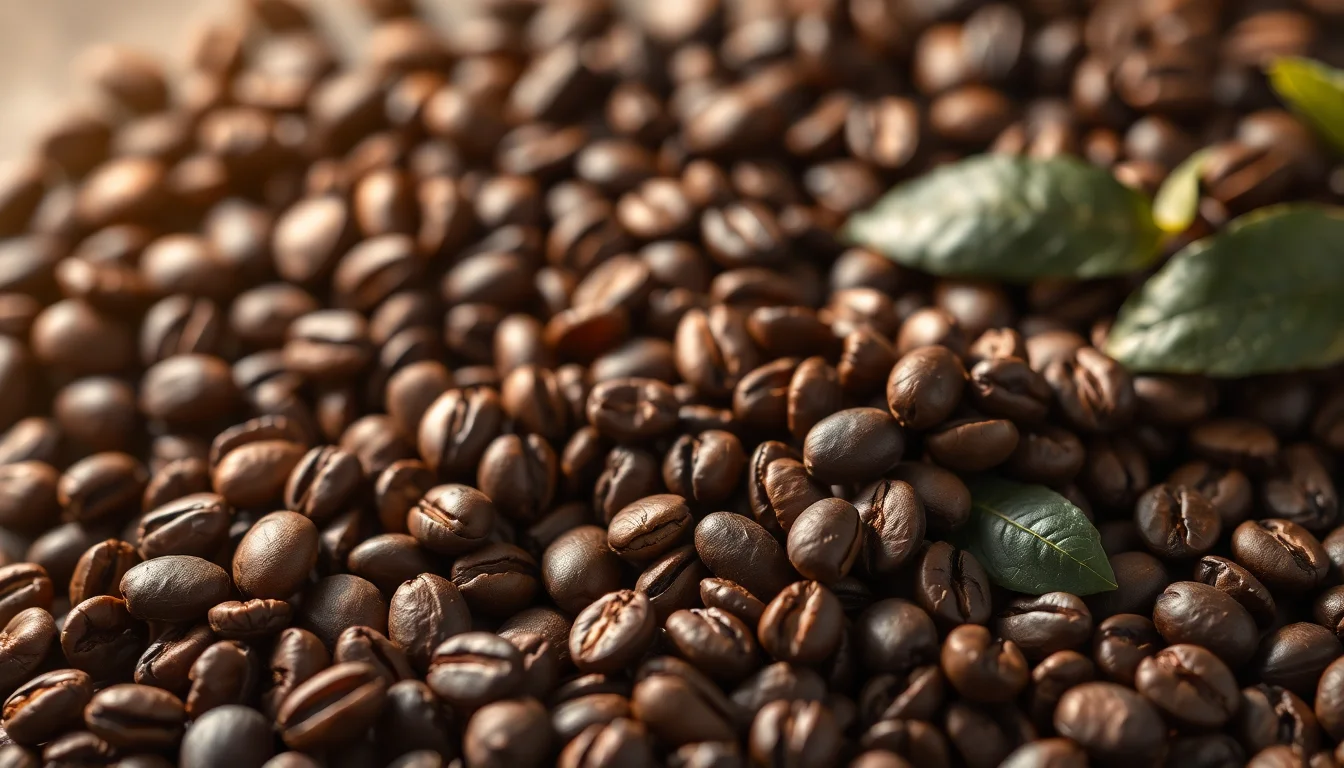
Coffee bean, roasted, extract (CAS 68916-18-7) — Sweet Middle to base Note Fragrance Ingredient
Coffee bean, roasted, extract
CAS 68916-18-7
What Is Coffee bean, roasted, extract?
Roasted coffee bean extract captures the rich, aromatic essence of freshly brewed coffee. You’ll encounter it in gourmand fragrances, candles, and some skincare products aiming for a comforting coffee scent. This ingredient matters because it evokes universal coffee shop memories while adding depth and warmth to compositions. Its complex aroma profile bridges foodie and luxury fragrance worlds.
Safety Profile
GENERALLY SAFEWhat Does Coffee bean, roasted, extract Smell Like?
The extract bursts with an intense roasted character – imagine espresso beans ground fresh, with swirling notes of dark chocolate, caramelized sugar, and a subtle smoky edge. The top notes are sharp and slightly bitter like black coffee, evolving into a heart of nutty hazelnut and vanilla-like sweetness. The dry-down reveals woody undertones and a lingering, comforting warmth reminiscent of coffee shops. Occasionally, fruity nuances peek through – think dried cherry or plum – adding unexpected complexity to this otherwise deeply roasted profile.
In Famous Fragrances
Fragrance associations may not reflect actual formulations.
Used as a gourmand anchor, blending with vanilla and white flowers to create addictive coffee shop seduction.
Showcases coffee’s richness amplified by rose, creating a luxurious Middle Eastern coffeehouse effect.
Features coffee extract as the star player in a bold, wake-up-call masculine composition.
Uses coffee’s roasted depth to ground an otherwise sweet vanilla-caramel gourmand explosion.
Blends coffee’s comforting aspects with lavender for a cozy, café-au-lait interpretation.
Chemistry, Properties & Perfumer Guide
The Chemistry
Roasted coffee extract contains over 800 volatile compounds created during Maillard reactions. Key odorants include 2-furfurylthiol (coffee), pyrazines (roasted), and vanillin (sweet). The extraction process typically uses supercritical CO2 or ethanol to capture both water-soluble (caffeine, chlorogenic acids) and oil-soluble (cafestol) components. Unlike green coffee, roasting creates sulfur compounds that give the characteristic roasted depth. The exact composition varies by bean origin (Arabica vs Robusta) and roast level (light to dark), with darker roasts producing more pyrazines and fewer fruity aldehydes.
Physical & Chemical Properties
| Appearance | Dark brown viscous liquid |
|---|---|
| Solubility | Soluble in alcohol, partially in oils |
Perfumer Guide
| Application | Typical % | Range | Notes |
|---|---|---|---|
| Fine Fragrance | 1-3% | Up to 5% | Adds gourmand depth without overwhelming |
| Candles | 3-5% | Up to 8% | Higher loads for strong coffee shop effect |
| Body Care | 0.5-1% | Up to 2% | Lower due to caffeine absorption |
| Home Fragrance | 2-4% | Up to 6% | Works well in diffuser oils |
Classic Accords
Tip: Balance coffee’s bitterness with sweet materials like ethyl maltol or coumarin to prevent harshness.
Alternatives & Comparisons
Synthetic alternative for cleaner coffee effect without variability of natural extracts.
Safety, Regulatory & Sustainability
⚠ Regulatory Disclaimer
General reference only. Consult current IFRA Standards Library before formulating.
IFRA Status
No IFRA restrictions. Coffee extract is considered a food-grade material with wide usage allowances.
EU Allergen Declaration
None declared under EU Cosmetics Regulation Annex III.
RIFM Assessment
RIFM considers coffee extract safe as used in fragrance when properly diluted.
Sustainability
Sustainability depends on coffee farming practices – look for Rainforest Alliance or Fair Trade certified sources. Supercritical CO2 extraction is more environmentally friendly than solvent methods. Some perfumers blend natural extracts with synthetic coffee molecules to reduce agricultural impact while maintaining authenticity.
Explore Coffee bean, roasted, extract
Browse essential oils and aroma compounds.
Browse on iHerb →Affiliate disclosure: we may earn a small commission at no extra cost to you.
References
- Flament I. (2002). Coffee Flavor Chemistry. Wiley. ISBN 978-0-471-72038-6
- Blank I. et al. (1992). Identification of Potent Odorants in Coffee. J. Agric. Food Chem. DOI:10.1021/jf00021a026
Data: PubChem (NIH), PubMed, RIFM, IFRA. Last reviewed: Apr 2026.
Report a data errorIngredient Data Sheet
CAS 68916-18-7Physical data: PubChem (NIH/NLM), U.S. EPA CompTox Dashboard, EPA OPERA models, RDKit. Odor & flavor: Arctander (Perfume & Flavor Chemicals), Fenaroli's Handbook of Flavor Ingredients, Leffingwell. Thresholds: van Gemert (Compilations of Odour Threshold Values). Regulatory: IFRA Standards 51st, FEMA GRAS. Trade names: Surburg (Common Fragrance & Flavor Materials). All data compiled and cross-referenced for perfumertools.com.
Related Research
- Diacetyl (CAS 0431-03-08) — Sweet Top Note Fragrance Ingredient
- Methoxymethylpyrazine (CAS 63450-30-6) — Green Top to middle Note Fragrance Ingredient
- Benzenemethanol, alpha-methylene-, acetate (CAS 2206-94-2) — Floral Top to middle Note Fragrance Ingredient
- Allyl cinnamate (CAS 1866-31-5) — Balsamic Middle Note Fragrance Ingredient


