Evodia rutaecarpa oil (CAS 1137739-11-7) — Spicy Middle Note Fragrance Ingredient
Evodia rutaecarpa oil
CAS 1137739-11-7
What Is Evodia rutaecarpa oil?
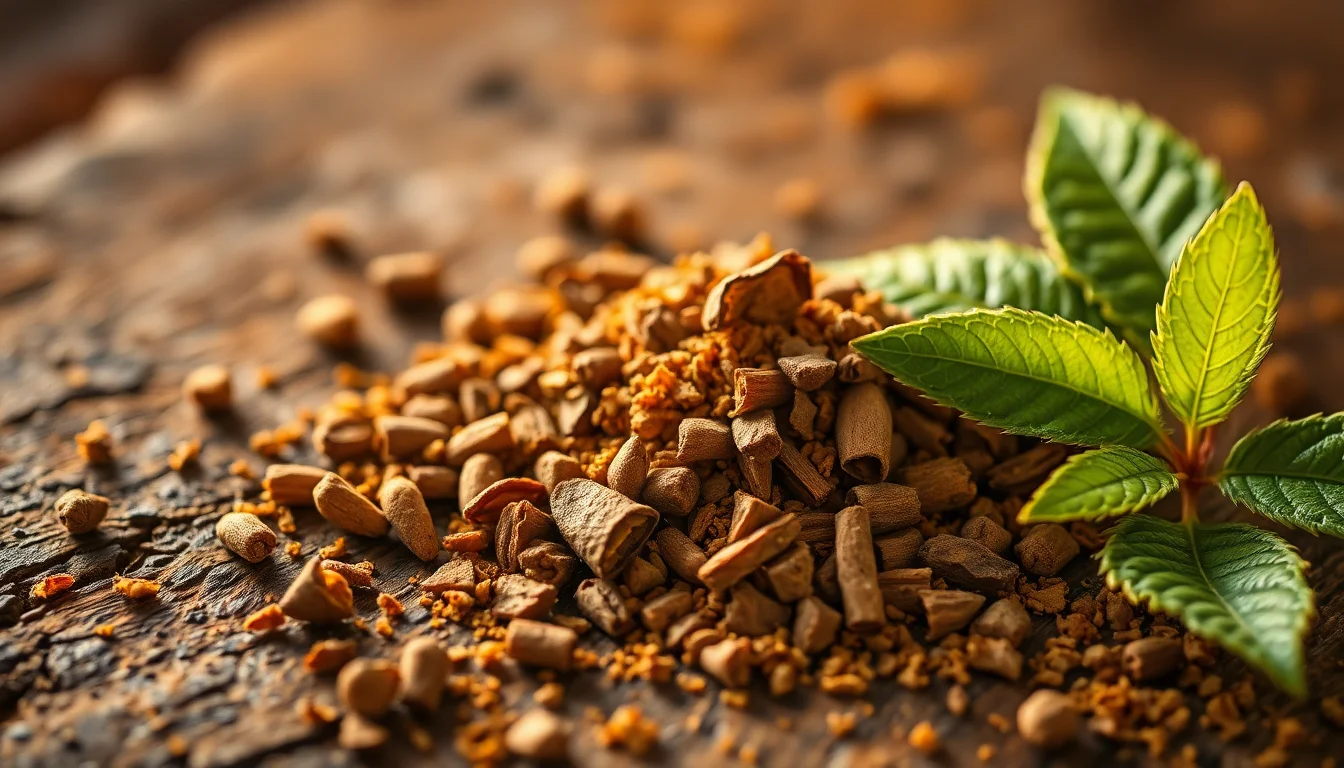
Evodia rutaecarpa oil is extracted from the berries of the Evodia tree, native to East Asia. It’s used in traditional medicine and occasionally in niche fragrances for its unique aromatic profile. This oil matters because it contributes a complex, spicy-citrus note that’s difficult to replicate synthetically, offering perfumers an unusual botanical character.
Safety Profile
USE WITH AWARENESSWhat Does Evodia rutaecarpa oil Smell Like?
Evodia rutaecarpa oil opens with a sharp, peppery citrus burst reminiscent of crushed Sichuan peppercorns mixed with grapefruit zest. As it settles, the heart reveals a warm, woody-spicy character akin to sandalwood dusted with clove powder. The dry-down carries a lingering medicinal bitterness that adds depth, like aged bitter orange peel stored in a cedar box. The overall effect is simultaneously bright and earthy, with a distinctive numbing quality that sets it apart from typical citrus or spice materials.
In Famous Fragrances
Fragrance associations may not reflect actual formulations.
Used for its numbing peppery effect that amplifies the fragrance’s namesake spice accord, creating an almost tactile sensation on the nose when combined with pink pepper and cardamom.
Provides an authentic Chinese medicinal herb character in this tea-inspired fragrance, blending with osmanthus and pu-erh tea to recreate the aroma of a traditional apothecary.
Chemistry, Properties & Perfumer Guide
The Chemistry
Evodia rutaecarpa oil contains several bioactive alkaloids including evodiamine and rutaecarpine, which contribute to its characteristic numbing sensation. The oil’s complex profile arises from synergistic effects between its monoterpenes (limonene, pinene) and sesquiterpenes (caryophyllene). Traditional steam distillation of the dried berries yields an oil with variable composition depending on harvest time and region, typically containing about 30-50% volatile compounds.
Physical & Chemical Properties
Perfumer Guide
| Application | Typical % | Range | Notes |
|---|---|---|---|
| Fine Fragrance | 0.1-0.5% | Up to 1% | Used sparingly as an accent |
| Aromatherapy | 1-2% | Up to 5% | For topical applications |
Classic Accords
Tip: Balance with sweet materials like vanilla to soften the medicinal edge.
Alternatives & Comparisons
Offers similar numbing citrus-spice characteristics but with less bitterness, better suited for mainstream applications.
Safety, Regulatory & Sustainability
⚠ Regulatory Disclaimer
General reference only. Consult current IFRA Standards Library before formulating.
IFRA Status
No specific IFRA restrictions. General guidelines for essential oils apply.
GHS Classification
RIFM Assessment
Limited RIFM assessment available. Caution advised until further studies.
Sustainability
Wild harvesting pressure in native regions raises sustainability concerns. Some cultivations exist but yields are low. Synthetic alternatives could reduce ecological impact but lack the full complexity of natural oil.
Explore Evodia rutaecarpa oil
Browse essential oils and aroma compounds.
Browse on iHerb →Affiliate disclosure: we may earn a small commission at no extra cost to you.
Related Research
- Pepper absolute (CAS 91770-90-0) — Spicy Top to heart Note Fragrance Ingredient
- 3-Methylbutyraldehyde (CAS 590-86-3) — Green Top Note Fragrance Ingredient
- 8-Undecenal (CAS 58296-81-4) — Citrus Top Note Fragrance Ingredient
- 2H-Pyran, 3,6-dihydro-4,6-dimethyl-2-(1-phenylethyl)- (CAS 1945993-03-2) — Woody Middle Note Fragrance Ingredient