Licorice extract powder (CAS 97676-23-8) — Sweet Base Note Fragrance Ingredient
Licorice extract powder
CAS 97676-23-8
What Is Licorice extract powder?
Licorice extract powder is derived from the root of the licorice plant (Glycyrrhiza glabra), commonly used in candies, teas, and herbal remedies. Its sweet, woody aroma makes it a distinctive flavoring agent in both food and fragrance. This ingredient matters because it adds a unique, natural sweetness to compositions, bridging gourmand and woody fragrance families with its rich, earthy character.
Safety Profile
GENERALLY SAFEWhat Does Licorice extract powder Smell Like?
Licorice extract powder exudes a deep, sweet-anisic aroma with woody undertones, reminiscent of star anise and molasses. Its scent evolves from an initial burst of sugary warmth to a lingering, earthy dryness. The dry-down reveals subtle herbal nuances, creating a comforting, slightly medicinal character that blends well with vanilla and spice accords.
In Famous Fragrances
Fragrance associations may not reflect actual formulations.
Licorice adds a dark, sweet depth to this opulent oriental fragrance, complementing the truffle and patchouli base with its gourmand-woody character.
Licorice extract enhances the fairy-tale sweetness of this fragrance, blending with cherry and violet for a whimsical, licorice-candy effect.
Licorice contributes to the gourmand heart of this fragrance, pairing with hazelnut and vanilla for a rich, edible quality.
Licorice adds a sweet, smoky nuance to the tobacco and honey accord, deepening the fragrance’s warmth.
Licorice subtly enhances the spicy-cardamom heart, adding a smooth, sweet contrast to the woody base.
Chemistry, Properties & Perfumer Guide
The Chemistry
Licorice extract powder contains glycyrrhizin, a triterpenoid saponin responsible for its characteristic sweetness, along with flavonoids and coumarins. The extract is obtained through aqueous or alcoholic extraction of the dried root. Glycyrrhizin is about 50 times sweeter than sucrose, contributing to both flavor and fragrance applications. The extract’s complex composition includes licorice acids and volatile compounds that create its distinctive aroma profile.
Physical & Chemical Properties
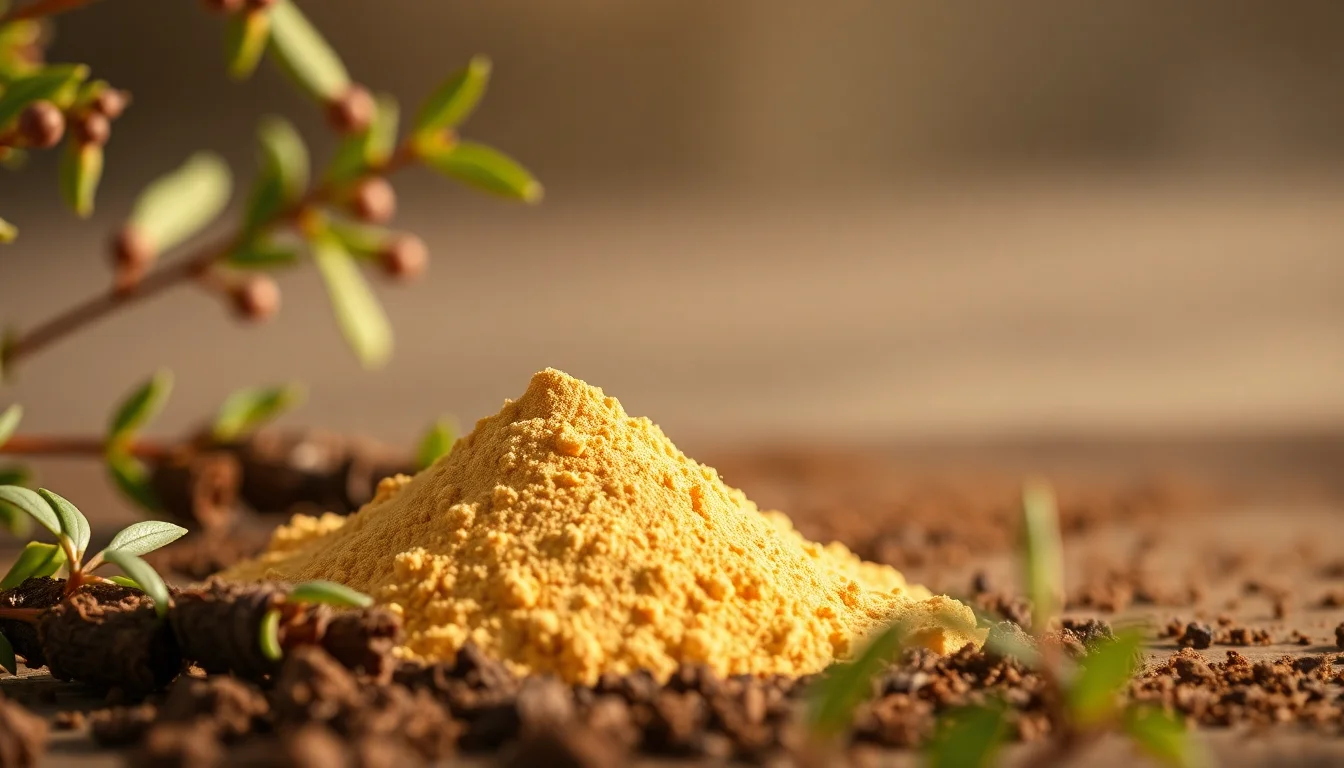
| Appearance | Brownish-yellow powder |
|---|---|
| Solubility | Soluble in water and alcohol |
Perfumer Guide
| Application | Typical % | Range | Notes |
|---|---|---|---|
| Fine Fragrance | 0.5-2% | Up to 5% | Adds sweet-woody depth |
| Gourmand Fragrances | 1-3% | Up to 7% | Enhances edible qualities |
| Herbal Blends | 0.2-1% | Up to 3% | Adds medicinal-sweet nuance |
| Tobacco Accords | 0.5-1.5% | Up to 4% | Deepens smoky-sweet character |
Classic Accords
Tip: Use licorice extract sparingly to avoid overpowering sweetness; it works well as a bridge between gourmand and woody notes.
Alternatives & Comparisons
Provides a cleaner anisic note without the woody depth of licorice, useful for brighter compositions.
Offers a sweet, hay-like alternative for woody-gourmand accords, though less complex.
Delivers straightforward sweetness when licorice’s medicinal nuance is undesirable.
Safety, Regulatory & Sustainability
⚠ Regulatory Disclaimer
General reference only. Consult current IFRA Standards Library before formulating.
IFRA Status
No IFRA restrictions apply to licorice extract powder.
RIFM Assessment
RIFM considers licorice extract safe for use in fragrance at typical levels.
Sustainability
Licorice is cultivated primarily in Mediterranean and Asian regions, with sustainable harvesting practices becoming more common due to its medicinal value. Synthetic alternatives are limited due to the complexity of its natural composition. Overharvesting can be a concern, making responsible sourcing important for long-term availability.
Explore Licorice extract powder
Browse essential oils and aroma compounds.
Browse on iHerb →Affiliate disclosure: we may earn a small commission at no extra cost to you.
References
- Glycyrrhiza glabra (Licorice) – A potent herb. International Journal of Pharmaceutical Sciences and Research. PMC3498851
- Pharmacological effects of Glycyrrhiza spp. and its bioactive compounds. Phytotherapy Research. DOI:10.1002/ptr.2589
Data: PubChem (NIH), PubMed, RIFM, IFRA. Last reviewed: Apr 2026.
Report a data errorIngredient Data Sheet
CAS 97676-23-8Physical data: PubChem (NIH/NLM), U.S. EPA CompTox Dashboard, EPA OPERA models, RDKit. Odor & flavor: Arctander (Perfume & Flavor Chemicals), Fenaroli's Handbook of Flavor Ingredients, Leffingwell. Thresholds: van Gemert (Compilations of Odour Threshold Values). Regulatory: IFRA Standards 51st, FEMA GRAS. Trade names: Surburg (Common Fragrance & Flavor Materials). All data compiled and cross-referenced for perfumertools.com.