Malt absolute (CAS 8002-48-0) — Sweet Heart/base Note Fragrance Ingredient
Malt absolute
CAS 8002-48-0
What Is Malt absolute?
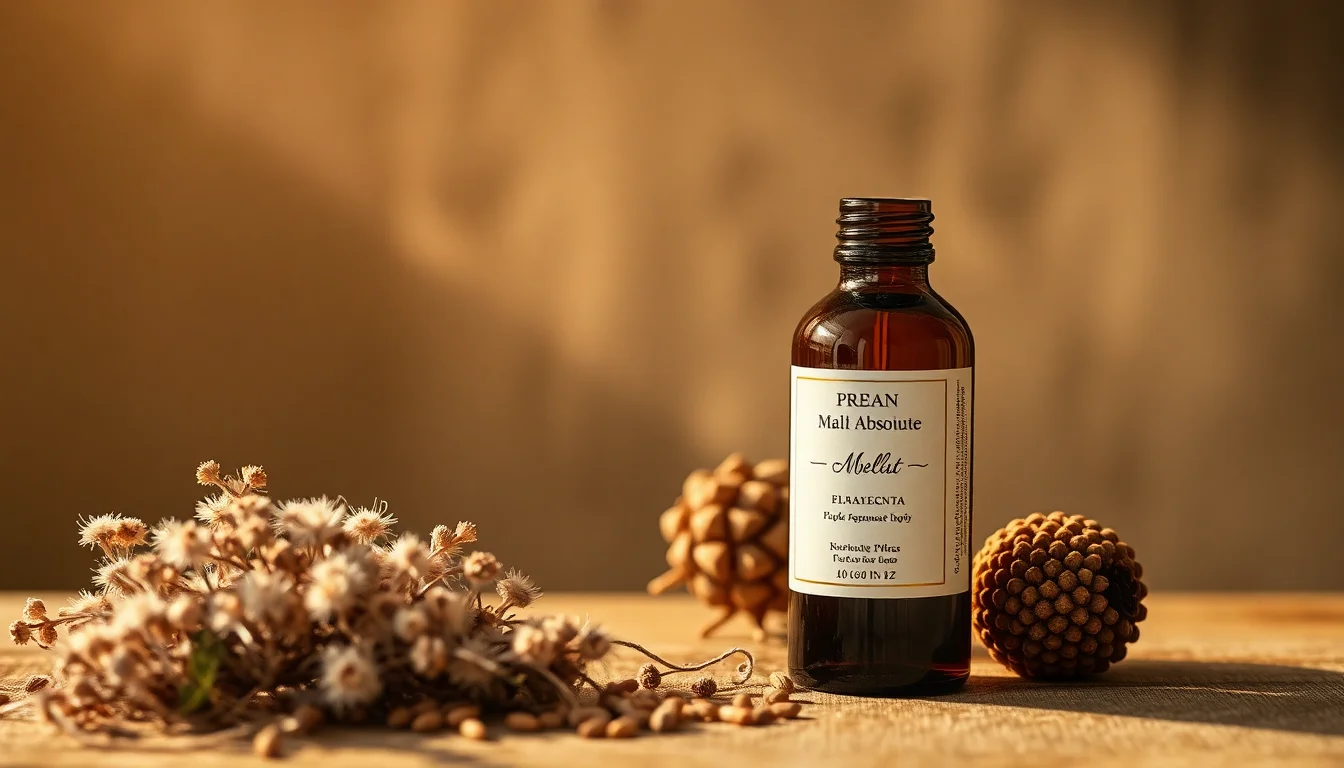
Malt absolute is a rich, food-derived fragrance material extracted from malted barley. People encounter its warm, cereal-like aroma in gourmand perfumes and some specialty food flavorings. This ingredient matters because it bridges the gap between edible and wearable scents, adding comforting, nostalgic depth to fragrances with its distinctive toasted grain character.
Safety Profile
USE WITH AWARENESSWhat Does Malt absolute Smell Like?
Malt absolute unfolds with an intensely warm, bready top note reminiscent of freshly baked sourdough crust. As it evolves, the heart reveals deep caramelized sugar nuances with hints of roasted nuts and a subtle molasses-like sweetness. The dry-down lingers with comforting cereal tones that blend beautifully with vanilla and amber bases. When diluted, it develops a malty milkiness akin to horchata or malted milkshakes, making it irresistible in gourmand compositions.
In Famous Fragrances
Fragrance associations may not reflect actual formulations.
Used here to create the illusion of toasted marshmallows over burning wood, malt absolute provides the crucial cereal-like warmth that makes this winter gourmand so addictive.
The malt note amplifies the hazelnut accord, adding a breakfast cereal dimension that grounds the fragrance’s hyper-sweet patchouli-vanilla core.
Chemistry, Properties & Perfumer Guide
The Chemistry
Malt absolute is a complex mixture derived from barley (Hordeum vulgare) that undergoes malting – a process of controlled germination followed by kiln-drying. The key aromatic compounds include maltol (pyranone derivatives), furfural (from carbohydrate degradation), and various Maillard reaction products. These develop during the kilning process where temperatures between 60-105°C create characteristic toasted notes. The absolute is typically obtained through solvent extraction of the malted grain.
Physical & Chemical Properties
| Appearance | Dark brown viscous liquid |
|---|---|
| Solubility | Soluble in alcohol, insoluble in water |
Perfumer Guide
| Application | Typical % | Range | Notes |
|---|---|---|---|
| Fine Fragrance | 0.5-2% | Up to 5% | Provides gourmand depth |
| Candles | 1-3% | Up to 8% | Creates warm bakery effects |
Classic Accords
Tip: Combine with ethyl maltol to enhance the caramelized sugar effect without adding excessive sweetness.
Alternatives & Comparisons
When pure sweetness is needed without the cereal depth. Lacks the complex roasted notes of malt absolute but provides stronger caramel effects.
Safety, Regulatory & Sustainability
⚠ Regulatory Disclaimer
General reference only. Consult current IFRA Standards Library before formulating.
IFRA Status
No IFRA restrictions. Considered food-grade material.
RIFM Assessment
No specific RIFM assessment available. Generally recognized as safe in fragrance use.
Sustainability
Malt absolute represents a sustainable byproduct of the brewing industry, utilizing material that would otherwise be waste. The extraction process requires relatively low energy compared to synthetic alternatives. However, sourcing should be verified to ensure responsible agricultural practices in barley cultivation.
Explore Malt absolute
Browse essential oils and aroma compounds.
Browse on iHerb →Affiliate disclosure: we may earn a small commission at no extra cost to you.
References
- Briggs, D.E. (1998). Malts and Malting. Springer. ISBN 978-1-4615-1793-7
Data: PubChem (NIH), PubMed, RIFM, IFRA. Last reviewed: Apr 2026.
Report a data errorIngredient Data Sheet
CAS 8002-48-0Odor & Flavor
| Malt is the dried product of barley germinated under controlled conditions. Malt syrup and malt extract are interchangeable terms for a viscous concentrate of a water extract of malt powder. The Food and Drug Administration defines malt syrup and malt extract as liquid products made from barley alone, with or without the addition of safe preservatives. If such extracts of malt are evaporated to dryness, the product is called dried malt extract. When another grain is included with barley, alternate terms must be used. In these cases, examples of proper terms would be “malted cereal syrup” and “extract of malted barely and corn.” Malt syrup is usually a brown, sweet and viscous liquid containing varying amounts of amylolytic enzymes and plant constituents. Derivatives: Malt or malted barley: by artificially germinating dried barley grains.📖 Fenaroli |
Physical data: PubChem (NIH/NLM), U.S. EPA CompTox Dashboard, EPA OPERA models, RDKit. Odor & flavor: Arctander (Perfume & Flavor Chemicals), Fenaroli's Handbook of Flavor Ingredients, Leffingwell. Thresholds: van Gemert (Compilations of Odour Threshold Values). Regulatory: IFRA Standards 51st, FEMA GRAS. Trade names: Surburg (Common Fragrance & Flavor Materials). All data compiled and cross-referenced for perfumertools.com.