Molasses, blackstrap (CAS 8052-35-5) — Sweet Base Note Fragrance Ingredient
Molasses, blackstrap
CAS 8052-35-5
What Is Molasses, blackstrap?
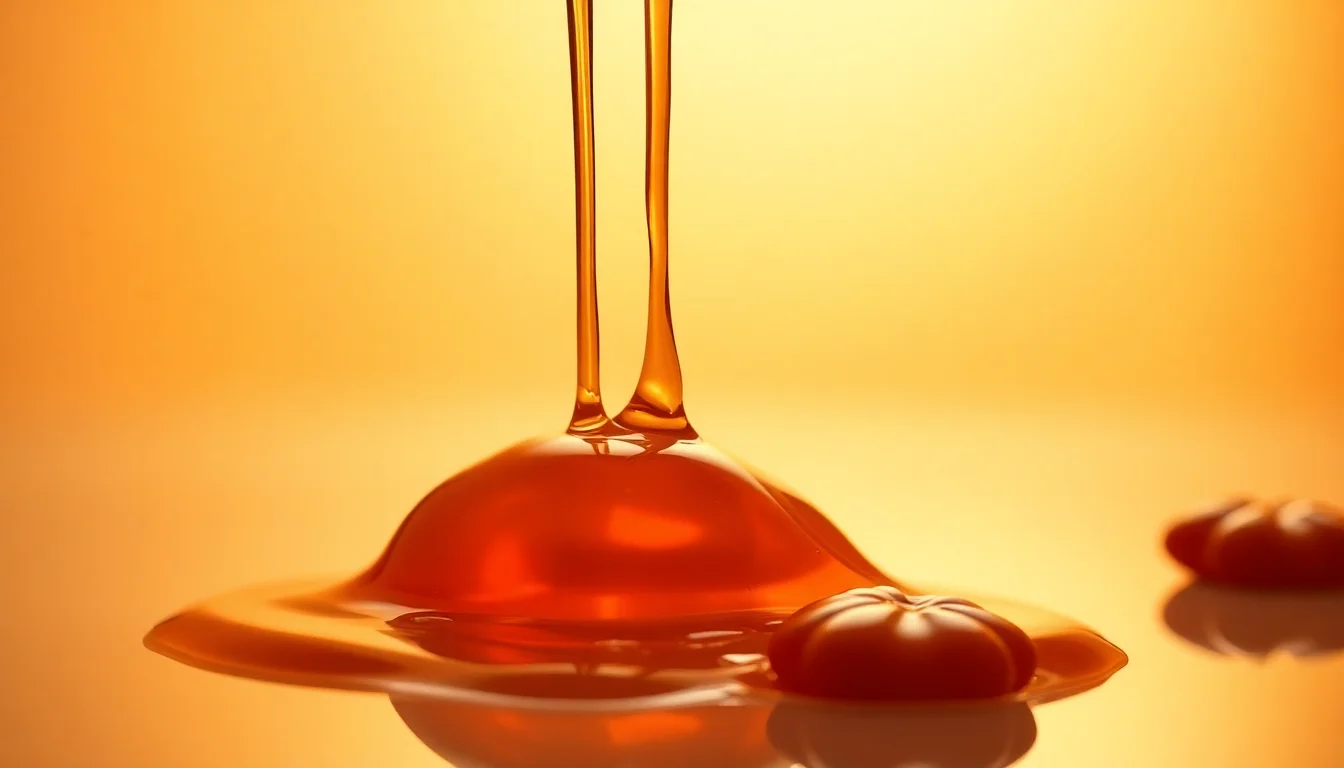
Blackstrap molasses is a thick, dark syrup produced during sugar refining. People encounter it in baking, rum production, and some savory dishes. This byproduct carries concentrated flavors from sugarcane processing. In perfumery, molasses adds a deep, caramelized sweetness that evolves beautifully in oriental and gourmand fragrances. Its complex profile bridges sweet and savory notes.
Safety Profile
GENERALLY SAFEWhat Does Molasses, blackstrap Smell Like?
Blackstrap molasses bursts with an intense, almost burnt caramel richness – imagine dark brown sugar reduced to its most primal form. The top notes carry a slightly bitter, medicinal edge that quickly mellows into sticky dates and prunes. As it dries, a savory umami character emerges, like soy sauce reduction with hints of licorice and iron. The base reveals a lingering tobacco-like depth that adds weight to fragrance compositions.
In Famous Fragrances
Fragrance associations may not reflect actual formulations.
Used for its caramelized depth that amplifies the vanilla-tonka accord, adding a bittersweet counterpoint to the gourmand structure.
Provides molasses’ characteristic iron-like nuance that enhances the tobacco leaf illusion, creating a cured tobacco effect.
Chemistry, Properties & Perfumer Guide
The Chemistry
Blackstrap molasses is a complex mixture containing sucrose (30-40%), invert sugars (15-25%), and non-sugar organic compounds including polyphenols, melanoidins, and amino acids. The characteristic aroma develops through Maillard reactions during sugar processing at high temperatures. Key odorants include furfural, maltol, and various pyrazines that contribute to its caramelized, sometimes smoky profile.
Physical & Chemical Properties
| Appearance | Dark brown viscous liquid |
|---|---|
| Solubility | Water-soluble |
Perfumer Guide
| Application | Typical % | Range | Notes |
|---|---|---|---|
| Fine Fragrance | 0.5-2% | Up to 5% | Adds gourmand depth |
| Home Fragrance | 1-3% | Up to 8% | Creates warm, comforting accords |
Classic Accords
Tip: Balance with citrus top notes to prevent cloying sweetness in gourmand compositions.
Alternatives & Comparisons
Synthetic alternative for controlled caramel notes without molasses’ savory aspects.
Provides pure caramel sweetness when molasses’ complexity isn’t needed.
Safety, Regulatory & Sustainability
⚠ Regulatory Disclaimer
General reference only. Consult current IFRA Standards Library before formulating.
IFRA Status
No restrictions – exempt from IFRA standards as food material
RIFM Assessment
Considered safe for fragrance use based on food safety data.
Sustainability
As a byproduct of sugar production, blackstrap molasses represents efficient resource utilization. Its use in perfumery adds value to what would otherwise be animal feed or industrial fermentation feedstock. Sourcing should prioritize suppliers with responsible sugarcane farming practices.
Explore Molasses, blackstrap
Browse essential oils and aroma compounds.
Browse on iHerb →Affiliate disclosure: we may earn a small commission at no extra cost to you.
References
- Asikin et al. (2014). Compositional Study of Molasses. Journal of Agricultural Food Chemistry. DOI:10.1021/jf500460q
Data: PubChem (NIH), PubMed, RIFM, IFRA. Last reviewed: Apr 2026.
Report a data errorIngredient Data Sheet
CAS 8052-35-5Physical data: PubChem (NIH/NLM), U.S. EPA CompTox Dashboard, EPA OPERA models, RDKit. Odor & flavor: Arctander (Perfume & Flavor Chemicals), Fenaroli's Handbook of Flavor Ingredients, Leffingwell. Thresholds: van Gemert (Compilations of Odour Threshold Values). Regulatory: IFRA Standards 51st, FEMA GRAS. Trade names: Surburg (Common Fragrance & Flavor Materials). All data compiled and cross-referenced for perfumertools.com.
Related Research
- Methyl 2,4-dihydroxy-m-toluate (CAS 33662-58-7) — Woody Middle to Base Note Fragrance Ingredient
- Methyl vanillate (CAS 3943-74-6) — Sweet Heart to Base Note Fragrance Ingredient
- (S1)-Methoxy-3-heptanethiol (CAS 400052-49-5) — Citrus Top to middle Note Fragrance Ingredient
- Citric acid (CAS 77-92-9) — Citrus N/A Note Fragrance Ingredient