

Myrrh gum (CAS 9000-45-7) — Fragrance Ingredient Profile
Myrrh gum
CAS 9000-45-7
What Is Myrrh gum?
Myrrh gum is a natural resin harvested from Commiphora trees, commonly encountered in incense, traditional medicines, and niche perfumery. Its rich, balsamic aroma has been prized since ancient times for religious ceremonies and embalming. This ingredient matters because it bridges cultural history with modern perfumery, offering a deep, meditative quality that synthetic alternatives struggle to replicate authentically.
Safety Profile
GENERALLY SAFEWhat Does Myrrh gum Smell Like?
Myrrh gum unfolds like ancient parchment in a cedar chest – initially sharp with medicinal bitterness that mellows into warm vanillic sweetness. The resinous core pulses with church incense smokiness, while subtle fruity undertones (think overripe figs) emerge over hours. Unlike frankincense’s brightness, myrrh stays low and introspective, clinging to skin with tenacious balsamic depth that perfumers describe as ‘liquid antiquity’.
In Famous Fragrances
Fragrance associations may not reflect actual formulations.
Myrrh’s resinous depth amplifies the spice bouquet, creating a hypnotic trail that defined 70s oriental perfumery.
Used as an animalic counterpoint to rose absolute, myrrh adds ceremonial gravitas to this gothic floral.
Starring myrrh in a modern chypre structure, where its balsamic facets interplay with crisp bergamot and oakmoss.
Chemistry, Properties & Perfumer Guide
The Chemistry
Myrrh gum is a complex mixture of sesquiterpenes, furanosesquiterpenes, and triterpenic acids. Key constituents include furanoeudesma-1,3-diene and curzerene, which contribute to its characteristic balsamic profile. The resin’s composition varies significantly based on geographic origin – African myrrh tends to be richer in furanodiene than Arabian varieties. Modern extraction typically uses steam distillation or solvent methods to isolate the aromatic fraction while preserving its natural complexity.
Physical & Chemical Properties
| Appearance | Yellowish-red viscous resin |
|---|---|
| Solubility | Soluble in alcohol, insoluble in water |
Perfumer Guide
| Application | Typical % | Range | Notes |
|---|---|---|---|
| Fine Fragrance | 0.5-2% | Up to 5% | Provides oriental depth and fixation |
| Incense | 10-30% | Up to 50% | Traditional combustion material |
| Aromatherapy | 1-3% | Up to 10% | Valued for grounding properties |
Classic Accords
Tip: Warm briefly in alcohol to improve solubility before blending.
Alternatives & Comparisons
Offers similar balsamic warmth but with more pronounced vanilla-cinnamon character.
A sweeter, less medicinal resinous note when myrrh’s bitterness needs softening.
Safety, Regulatory & Sustainability
⚠ Regulatory Disclaimer
General reference only. Consult current IFRA Standards Library before formulating.
IFRA Status
No restrictions under current IFRA standards.
EU Allergen Declaration
None listed under EU Cosmetics Regulation Annex III.
RIFM Assessment
RIFM assessment confirms safe use at reported levels in fragrances.
Sustainability
Wild-harvested myrrh faces sustainability challenges due to desertification and over-tapping. Ethical sourcing programs now monitor resin collection techniques to prevent tree damage. Some perfumers use CO2 extracts to reduce material waste compared to traditional steam distillation. Synthetic furanoeudesma-1,3-diene reproduces key aspects but lacks the full spectrum of natural myrrh.
Explore Myrrh gum
Browse essential oils and aroma compounds.
Browse on iHerb →Affiliate disclosure: we may earn a small commission at no extra cost to you.
References
- Tucker A.O. (1986). Frankincense and Myrrh. Economic Botany. JSTOR 4254976
- PubChem Compound Summary for Myrrh Oil PubChem
Data: PubChem (NIH), PubMed, RIFM, IFRA. Last reviewed: Apr 2026.
Report a data errorIngredient Data Sheet
CAS 9000-45-7Odor & Flavor
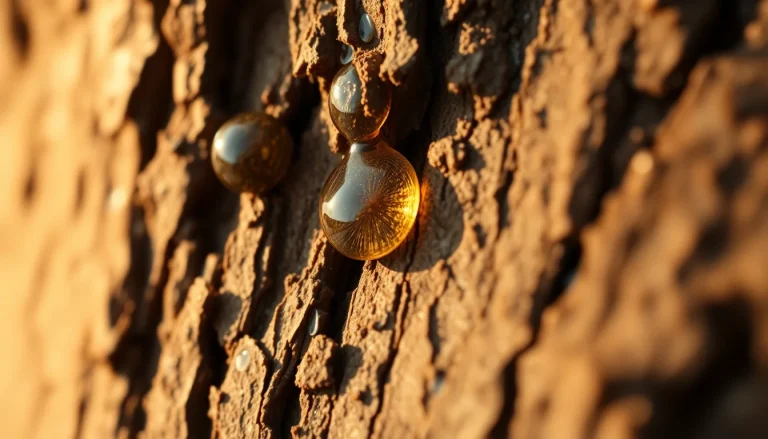
| Myrrh oleo-gum-resin, also known as herbal myrrh, consists of the physiological exudate of various Commiphora species growing along the coasts of the Red Sea. Commiphora species are small trees or shrubs with grayish bark, dense characteristic foliage, and rather short, thorny branches. The oleo-gum-resin oozing from cracks in the bark, and sometimes from incisions made on the bark, is a yellowish-white, milky liquid. On exposure to air, the liquid hardens to irregularly shaped “tears” of reddish-brown color, exhibiting a warm, aromatic, balsamic, slightly pungent odor. The part used is the oleo-gum-resin exudate. Derivatives: Tincture (10% in 60 to 65% ethanol), fluid extract, resinoid.📖 Fenaroli |
Regulatory Status
| IOFI Classification | Natural📖 Fenaroli |
Physical data: PubChem (NIH/NLM), U.S. EPA CompTox Dashboard, EPA OPERA models, RDKit. Odor & flavor: Arctander (Perfume & Flavor Chemicals), Fenaroli's Handbook of Flavor Ingredients, Leffingwell. Thresholds: van Gemert (Compilations of Odour Threshold Values). Regulatory: IFRA Standards 51st, FEMA GRAS. Trade names: Surburg (Common Fragrance & Flavor Materials). All data compiled and cross-referenced for perfumertools.com.

![Ethanone, 1-(2,3-dimethylbicyclo[2.2.1]hept-2-yl)- (CAS 854737-10-3) — Woody Middle Note Fragrance Ingredient](https://thegoodscents.company/wp-content/uploads/2026/04/ethanone-1-1-15-768x439.webp)

![Tricyclo[5.2.1.02,6]decan-8-one (CAS 13380-94-4) — Woody Base Note Fragrance Ingredient](https://thegoodscents.company/wp-content/uploads/2026/04/tricyclo-5-2-1-02-6-decan-8-one-1-768x439.webp)