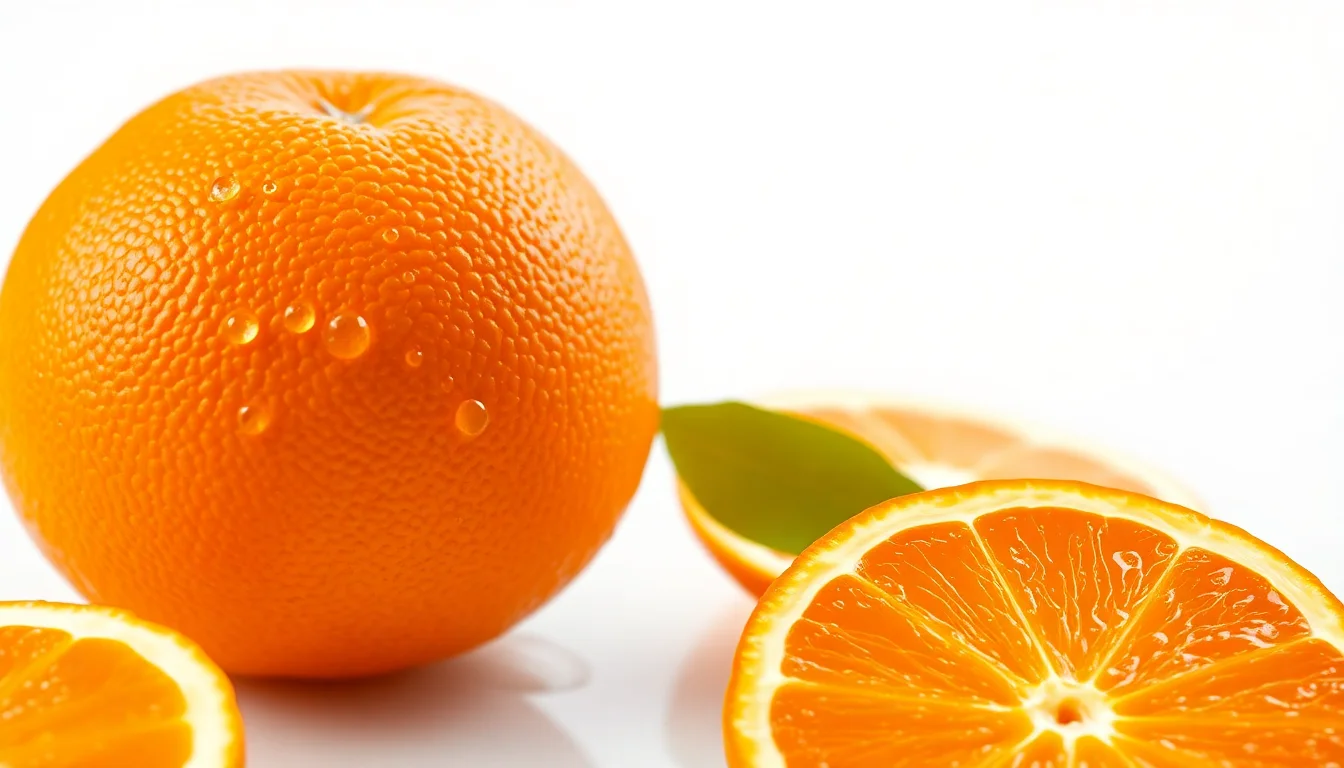
Orange oil, sweet, psoralen-free (CAS 68917-07-07) — Citrus Top Note Fragrance Ingredient
Orange oil, sweet, psoralen-free
CAS 68917-07-07
What Is Orange oil, sweet, psoralen-free?
Sweet orange oil is a vibrant citrus essential oil extracted from the peels of oranges. You encounter it in everything from fresh-squeezed orange juice to household cleaners and uplifting perfumes. This oil matters because it captures the essence of sunshine and happiness, making it one of the most universally loved scents in the world. Its bright, cheerful aroma can instantly elevate mood and create a sense of cleanliness and energy.
Safety Profile
GENERALLY SAFEWhat Does Orange oil, sweet, psoralen-free Smell Like?
Sweet orange oil bursts open with an effervescent, juicy top note of freshly peeled oranges—think of sunlight glinting off citrus segments. The heart evolves into a rounded, slightly floral sweetness reminiscent of orange blossom honey, while the base reveals subtle green undertones of crushed leaves and white pith. Unlike bitter orange, it lacks the harsh, almost acrid edge, staying resolutely cheerful and food-like throughout its dry-down.
In Famous Fragrances
Fragrance associations may not reflect actual formulations.
The sparkling orange top note cuts through the mossy base, creating Dior’s iconic ‘sunlight through trees’ effect. Used here for its uplifting contrast to vetiver.
Orange oil dominates this minimalist cologne, showcasing how the oil’s natural sweetness needs little augmentation to create a Mediterranean vibe.
A hyper-realistic orange juice accord where the oil’s juicy facets are amplified with blood orange and distilled to photorealistic intensity.
Here orange oil provides the ‘spark’ against flinty mineral notes, its sweetness rounding out the fragrance’s angular geometry.
The oil’s cheerful character helps bridge green tea and synthetic musks, making this unisex pioneer feel instantly familiar.
Chemistry, Properties & Perfumer Guide
The Chemistry
Sweet orange oil is primarily composed of limonene (90-95%), with smaller amounts of myrcene, α-pinene, and valencene. The psoralen-free designation indicates removal of furanocoumarins like bergapten, which cause phototoxicity. Cold pressing preserves oxygenated compounds like octanal and decanal that contribute to its fresh character. Industrial production often involves centrifugal separation of oil from citrus processing waste streams.
Physical & Chemical Properties
| Appearance | Pale yellow to orange liquid |
|---|---|
| Boiling Point | 175-178 °C (limonene) |
| Flash Point | 48 °C |
| Density | 0.84-0.86 g/cm³ |
| Refractive Index | 1.472-1.474 |
| Optical Rotation | +96° to +98° |
| Solubility | Insoluble in water, miscible with ethanol |
Key Constituent Properties
| Constituent | CAS | MW | BP °C | XLogP | Vapor P. |
|---|---|---|---|---|---|
| Limonene | 138-86-3 | 136.23 | 175-178 | 4.3 | 1.5 mmHg |
| Myrcene | 123-35-3 | 136.23 | 166-168 | 4.1 | 1.8 mmHg |
| α-Pinene | 80-56-8 | 136.23 | 155-156 | 4.0 | 2.4 mmHg |
Perfumer Guide
| Application | Typical % | Range | Notes |
|---|---|---|---|
| Fine Fragrance | 1-5% | Up to 10% | Provides instant freshness in citrus colognes |
| Functional Products | 0.5-2% | Up to 5% | Clean scent for detergents and surface cleaners |
| Flavorings | 0.01-0.1% | Up to 0.5% | Natural orange flavor enhancement |
| Aromatherapy | 1-3% | Up to 100% in diffusers | Uplifting mood enhancer |
Classic Accords
Tip: Stabilize with antioxidants like BHT to prevent oxidation of limonene to carvone (which creates a harsh, minty off-note).
Alternatives & Comparisons
Removes limonene for a more concentrated, less volatile orange character. Use when longevity is needed without adding citrus top notes.
Softer, more floral alternative with less sharpness. Ideal for delicate compositions where sweet orange might dominate.
For orange blossom effects without citrus volatility. Blends better with white florals and musks.
Safety, Regulatory & Sustainability
⚠ Regulatory Disclaimer
General reference only. Consult current IFRA Standards Library before formulating.
IFRA Status
No restrictions under IFRA 51st Amendment. Limonene content must be declared due to potential oxidation products.
EU Allergen Declaration
Must be labeled if limonene content exceeds 0.001% in leave-on or 0.01% in rinse-off products (Regulation (EC) No 1223/2009).
GHS Classification
RIFM Assessment
Considered safe as used when psoralen-free. RIFM monograph shows no significant systemic toxicity at current exposure levels.
Sustainability
Most sweet orange oil is a byproduct of juice production, making it highly sustainable. Brazil and Florida dominate production. The psoralen-free process adds a distillation step that increases energy use. Some artisanal producers use solar energy for this step. Biodegradability is excellent due to high limonene content.
Explore Orange oil, sweet, psoralen-free
Browse essential oils and aroma compounds.
Browse on iHerb →Affiliate disclosure: we may earn a small commission at no extra cost to you.
References
- Dugo & Di Giacomo (2002). Citrus: The Genus Citrus. Taylor & Francis. ISBN 9780203216613
- IFRA Standards Library. 51st Amendment. IFRA
- PubChem Compound Summary for Limonene CID 22311
Data: PubChem (NIH), PubMed, RIFM, IFRA. Last reviewed: Apr 2026.
Report a data error