
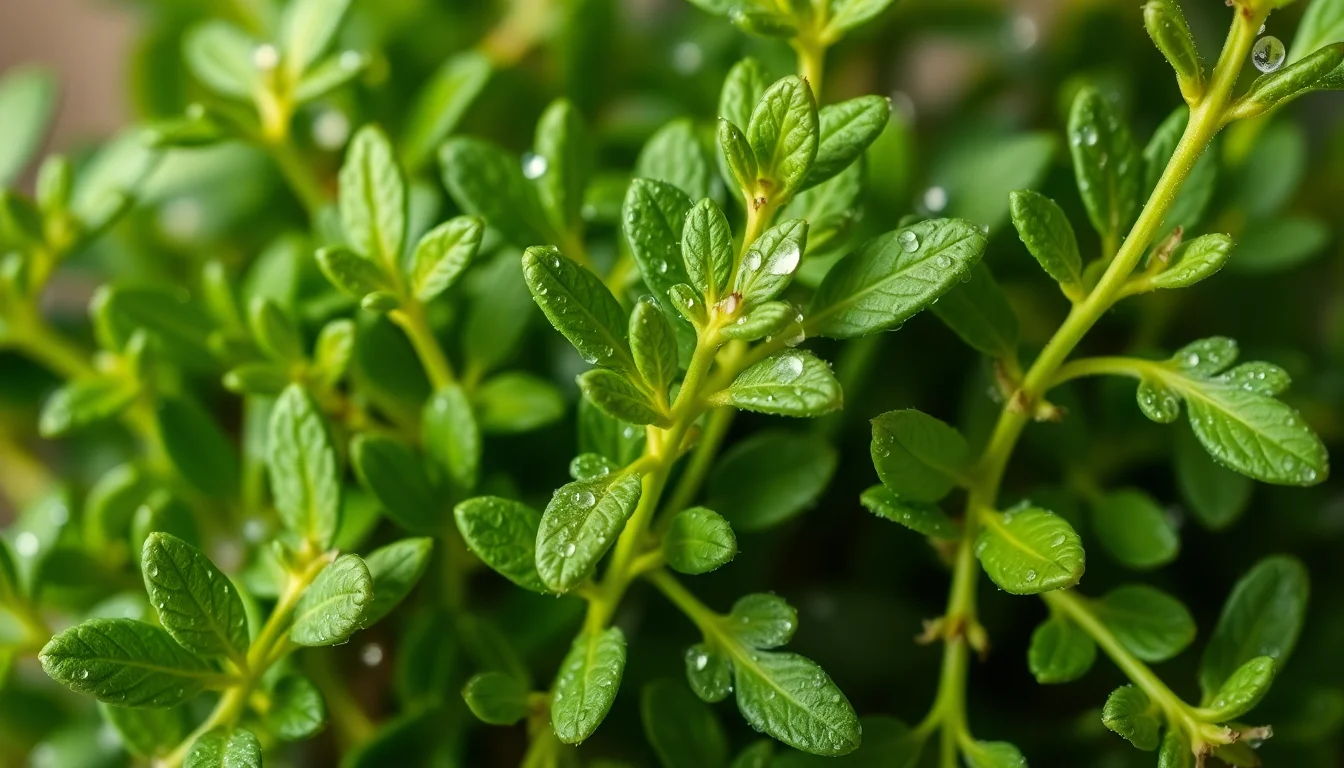
Origanum oil (extractive) (CAS 8007-11-2) — Green Middle Note Fragrance Ingredient
Origanum oil (extractive)
CAS 8007-11-2
What Is Origanum oil (extractive)?
Origanum oil is a concentrated essential oil derived from oregano plants, primarily used in aromatherapy and natural cleaning products. It’s commonly encountered in herbal remedies and household disinfectants. This oil matters because it contains potent antimicrobial compounds, making it valuable for both therapeutic and practical applications in natural product formulations.
Safety Profile
USE WITH AWARENESSWhat Does Origanum oil (extractive) Smell Like?
Origanum oil bursts with a sharp, herbaceous punch reminiscent of dried Mediterranean herbs crushed between fingers. The initial intensity of camphoraceous warmth mellows into a green, slightly phenolic heart. Over hours, it settles into a dry, woody-herbal base with lingering spicy undertones – like sun-baked oregano leaves mixed with ancient apothecary spices.
In Famous Fragrances
Fragrance associations may not reflect actual formulations.
Used for its intense Mediterranean herbaceous character, creating an aromatic-green focal point that suggests sun-drenched Provençal hillsides.
Provides a subtle wild herbal accent that enhances the fragrance’s rugged, natural masculinity when used in trace amounts.
Chemistry, Properties & Perfumer Guide
The Chemistry
Origanum oil is chemically complex, dominated by monoterpenoids like carvacrol (60-80%) and thymol. These phenols are biosynthesized via the shikimic acid pathway in glandular trichomes. The oil’s composition varies significantly based on chemotype – some plants produce primarily carvacrol while others favor γ-terpinene or p-cymene precursors. Extraction typically occurs via steam distillation of flowering tops.
Physical & Chemical Properties
| Appearance | Pale yellow to dark amber liquid |
|---|---|
| Density | 0.935-0.960 g/cm³ |
| Refractive Index | 1.502-1.512 |
Perfumer Guide
| Application | Typical % | Range | Notes |
|---|---|---|---|
| Aromatherapy | 1-2% | Up to 5% | Dilution critical for topical use |
| Household Cleaners | 0.5-1% | Up to 2% | Antimicrobial properties |
Classic Accords
Tip: Always pre-dilute in alcohol before incorporating into water-based products to prevent separation.
Alternatives & Comparisons
Provides similar phenolic intensity with slightly sweeter nuance when origanum’s harshness needs tempering.
Offers comparable antimicrobial effects with a warmer, less aggressive herbal character.
Safety, Regulatory & Sustainability
⚠ Regulatory Disclaimer
General reference only. Consult current IFRA Standards Library before formulating.
IFRA Status
Not restricted by IFRA but recommended maximum 0.6% in leave-on products due to dermal sensitization potential.
EU Allergen Declaration
Contains carvacrol which may trigger allergic reactions in sensitive individuals.
GHS Classification
RIFM Assessment
RIFM assessment confirms moderate skin sensitization potential at concentrations above 1%.
Sustainability
Wild oregano populations are resilient but commercial demand pressures some Mediterranean ecosystems. Responsible producers cultivate plants or harvest from managed wild stands. Steam distillation requires significant energy input but produces minimal waste compared to solvent extraction methods.
Explore Origanum oil (extractive)
Browse essential oils and aroma compounds.
Browse on iHerb →Affiliate disclosure: we may earn a small commission at no extra cost to you.
References
- Sivropoulou et al. (1996). Antimicrobial activity of origanum essential oils. Journal of Agricultural and Food Chemistry. DOI: 10.1021/jf950540t
- PubChem Compound Summary for Origanum oil PubChem
Data: PubChem (NIH), PubMed, RIFM, IFRA. Last reviewed: Apr 2026.
Report a data errorIngredient Data Sheet
CAS 8007-11-2Physical data: PubChem (NIH/NLM), U.S. EPA CompTox Dashboard, EPA OPERA models, RDKit. Odor & flavor: Arctander (Perfume & Flavor Chemicals), Fenaroli's Handbook of Flavor Ingredients, Leffingwell. Thresholds: van Gemert (Compilations of Odour Threshold Values). Regulatory: IFRA Standards 51st, FEMA GRAS. Trade names: Surburg (Common Fragrance & Flavor Materials). All data compiled and cross-referenced for perfumertools.com.
Related Research
- Triethanolamine (CAS 102-71-6) — Citrus N/A Note Fragrance Ingredient
- 5-Hexenyl Isothiocyanate (CAS 49776-81-0) — Top Note Fragrance Ingredient
- 2,6-Nonadien-1-ol (CAS 7786-44-9) — Green Top to middle Note Fragrance Ingredient
- Resin acids and rosin acids, hydrogenated, esters with triethylene glycol (CAS 68648-53-3) — Woody Base Note Fragrance Ingredient
![Methyl 2-[(1,3-benzodioxol-5-ylmethylene)amino]benzoate (CAS 72939-49-2) — Sweet Middle Note Fragrance Ingredient](https://thegoodscents.company/wp-content/uploads/2026/04/methyl-2-1-8-768x439.webp)

