Paprika oleoresin (CAS 84625-29-6) — Spicy Middle Note Fragrance Ingredient
Paprika oleoresin
CAS 84625-29-6
What Is Paprika oleoresin?
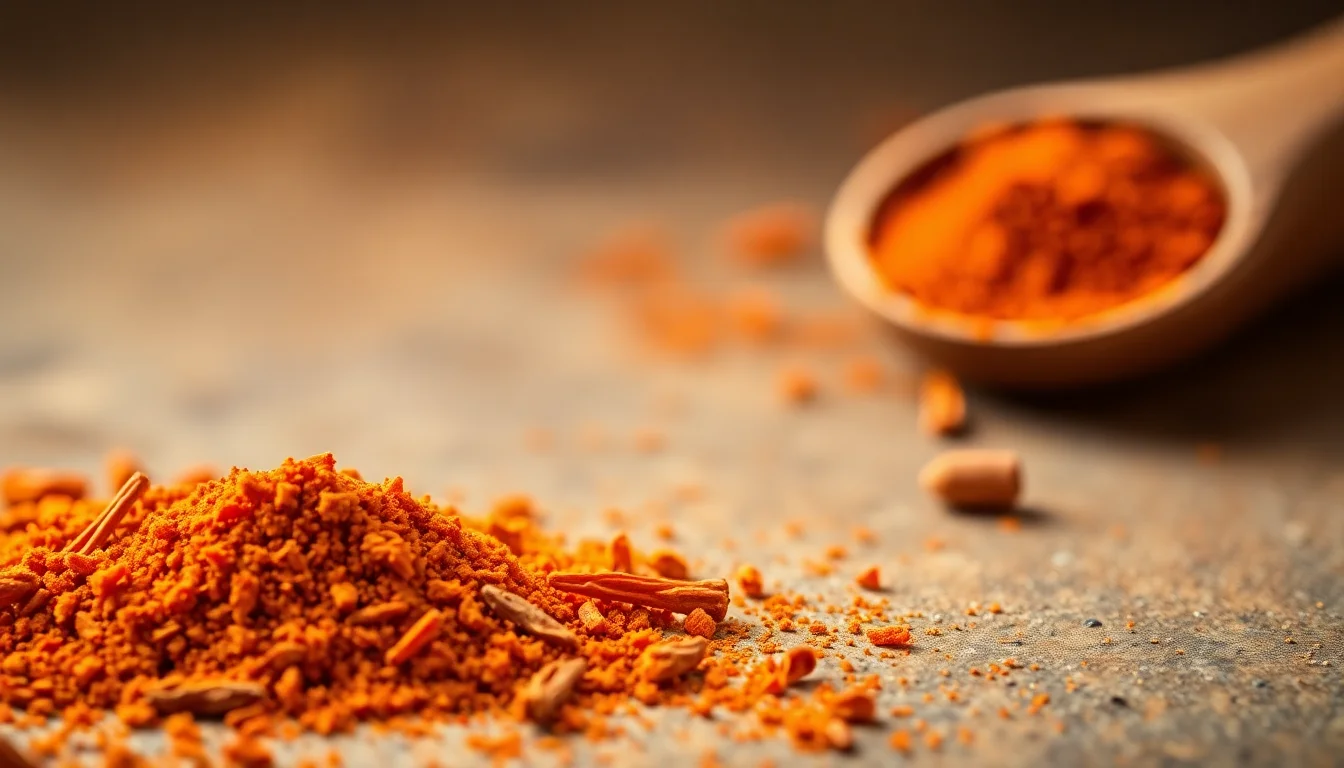
Paprika oleoresin is a vibrant red-orange extract derived from dried paprika peppers. You’ll encounter it as a natural coloring agent in foods like sausages, cheeses, and snack seasonings, and occasionally in cosmetics for its warm hue. This ingredient matters because it delivers both color and subtle peppery aroma without synthetic dyes, appealing to consumers seeking clean-label products. Its natural origin makes it preferred over artificial colorants in many applications.
Safety Profile
GENERALLY SAFEWhat Does Paprika oleoresin Smell Like?
Paprika oleoresin offers a warm, earthy-sweet aroma with faint smoky undertones reminiscent of sun-dried peppers. Initially pungent with a vegetal sharpness, it mellows into a leathery depth with subtle raisin-like fruitiness. The dry-down reveals a lingering peppery warmth akin to dried chili flakes, without intense heat. Its scent profile bridges gourmand and spice categories, adding dimension without overwhelming compositions.
In Famous Fragrances
Fragrance associations may not reflect actual formulations.
Used sparingly to amplify the peppery facets of saffron and elemi, contributing to the fragrance’s explosive spicy signature without adding visible color.
Provides subtle dried fruit undertones that enhance the tobacco absolute, creating a more complex gourmand-spice interplay.
Chemistry, Properties & Perfumer Guide
The Chemistry
Paprika oleoresin is a complex mixture of carotenoids (capsanthin, capsorubin), volatile oils, and fatty acids extracted from Capsicum annuum using organic solvents. The color primarily comes from lipid-soluble carotenoid pigments, while aroma compounds include pyrazines and capsaicinoids. Supercritical CO2 extraction is increasingly used as a cleaner alternative to hexane-derived extracts. The oleoresin’s composition varies significantly based on pepper cultivar and extraction method.
Physical & Chemical Properties
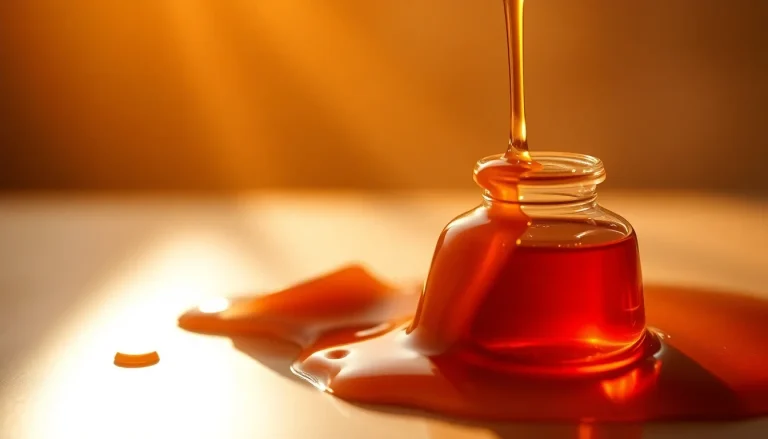
| Appearance | Viscous red-orange liquid |
|---|---|
| Solubility | Soluble in oils, ethanol; insoluble in water |
Perfumer Guide
| Application | Typical % | Range | Notes |
|---|---|---|---|
| Fine Fragrance | 0.1-0.5% | Up to 1% | Used for olfactory effect more than coloring |
| Functional Fragrances | 0.05-0.2% | Up to 0.5% | Masking agent in household products |
Classic Accords
Tip: Pre-dilute in ethanol to prevent staining when working with light-colored bases.
Alternatives & Comparisons
Provides similar coloring properties with earthier, more herbal aroma profile when pepper notes aren’t desired.
Safety, Regulatory & Sustainability
⚠ Regulatory Disclaimer
General reference only. Consult current IFRA Standards Library before formulating.
IFRA Status
No specific restrictions under current IFRA standards.
RIFM Assessment
Considered safe at current use levels based on consumption history as food ingredient.
Sustainability
Sustainability depends on agricultural practices – water-intensive pepper cultivation can strain resources. Some producers now offer certified organic and fair-trade options. CO2 extraction methods reduce solvent waste compared to traditional methods. Regional sourcing (Spain, Hungary, Morocco) minimizes transport emissions.
Explore Paprika oleoresin
Browse essential oils and aroma compounds.
Browse on iHerb →Affiliate disclosure: we may earn a small commission at no extra cost to you.
References
- Delgado-Vargas et al. (2000). Natural Colorants for Food and Nutraceutical Uses. CRC Press. DOI 10.1201/9781420031713
Data: PubChem (NIH), PubMed, RIFM, IFRA. Last reviewed: Apr 2026.
Report a data errorIngredient Data Sheet
CAS 84625-29-6Physical data: PubChem (NIH/NLM), U.S. EPA CompTox Dashboard, EPA OPERA models, RDKit. Odor & flavor: Arctander (Perfume & Flavor Chemicals), Fenaroli's Handbook of Flavor Ingredients, Leffingwell. Thresholds: van Gemert (Compilations of Odour Threshold Values). Regulatory: IFRA Standards 51st, FEMA GRAS. Trade names: Surburg (Common Fragrance & Flavor Materials). All data compiled and cross-referenced for perfumertools.com.
Related Research
- Canola oil, fixed (CAS 120962-03-0) — Green Base Note Fragrance Ingredient
- Polysorbate 20 (CAS 9005-64-5) — Citrus Fragrance Ingredient
- Linoleic acid (CAS 60-33-3) — Citrus N/A Note Fragrance Ingredient
- 1-(3,3-Dimethylcyclohexyl)ethanol (CAS 25225-09-06) — Woody Middle to base Note Fragrance Ingredient