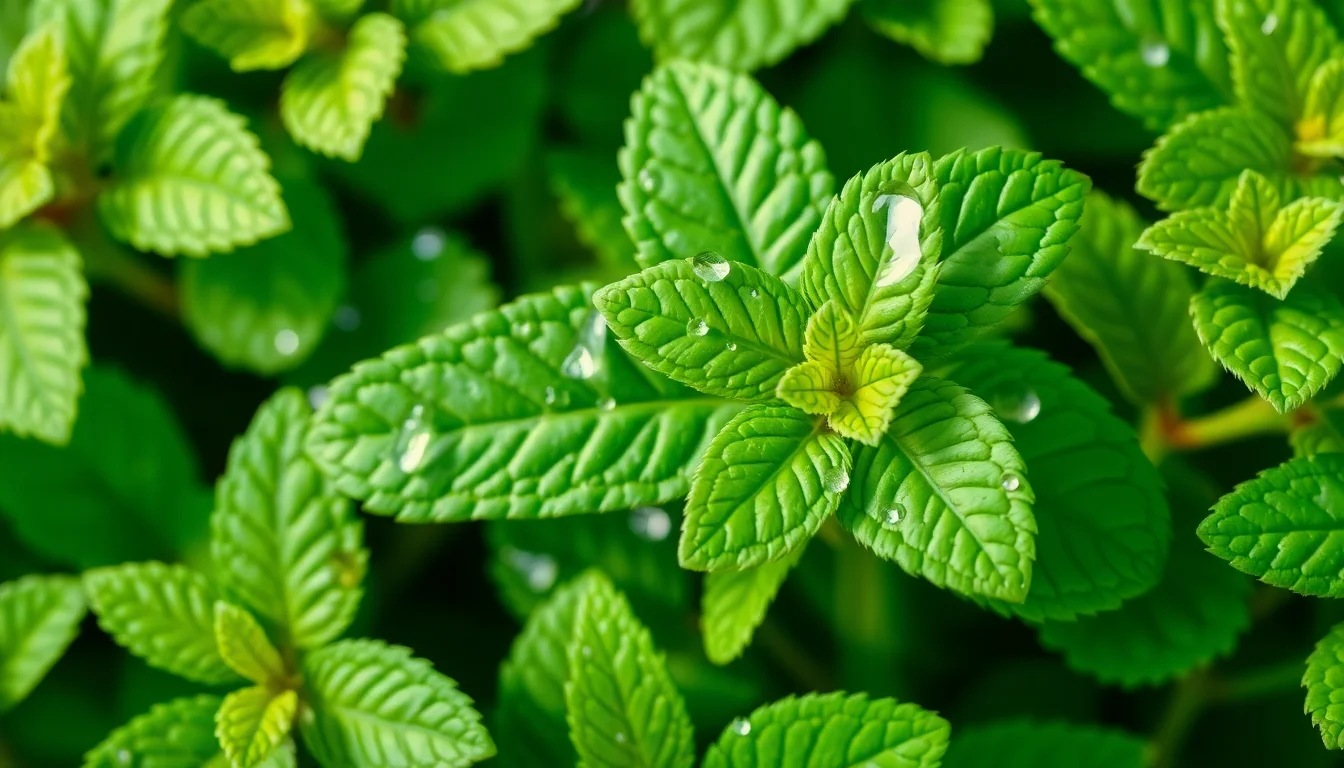
Peppermint oil, terpenes (CAS 68608-37-7) — Green Top Note Fragrance Ingredient
Peppermint oil, terpenes
CAS 68608-37-7
What Is Peppermint oil, terpenes?
Peppermint oil terpenes are the aromatic compounds that give peppermint its signature cooling, fresh scent. They’re commonly found in chewing gum, toothpaste, and aromatherapy products. These terpenes create the invigorating minty sensation that helps freshen breath and clear sinuses.
Safety Profile
USE WITH AWARENESSWhat Does Peppermint oil, terpenes Smell Like?
Peppermint oil terpenes burst with an intensely fresh, cooling mint character that tingles the nostrils. The opening is sharp and herbaceous, like crushed mint leaves with a mentholated chill. As it evolves, the heart reveals greener, earthier undertones beneath the initial icy blast. The dry-down maintains a clean, slightly sweet mintiness that lingers with remarkable tenacity. The overall effect is like walking through a damp mint field at dawn – simultaneously refreshing and awakening.
In Famous Fragrances
Fragrance associations may not reflect actual formulations.
Uses peppermint terpenes as the star note, creating an invigorating opening that’s both classic and modern. The freshness lasts through the dry-down.
Peppermint terpenes add a crisp top note that complements the violet leaf and iris, creating a dewy freshness.
Peppermint terpenes contribute to the aquatic freshness, blending with lavender for a clean, masculine opening.
Peppermint terpenes are used sparingly to enhance the citrus notes, adding a subtle coolness to the bright opening.
Peppermint terpenes combine with marine notes to create a refreshing, oceanic breeze effect in this unique fragrance.
Chemistry, Properties & Perfumer Guide
The Chemistry
Peppermint oil terpenes are primarily composed of monoterpenes including menthol, menthone, and limonene. These compounds are extracted through steam distillation of Mentha piperita leaves. The characteristic cooling sensation comes from menthol’s ability to activate TRPM8 receptors in the skin. Different cultivars and growing conditions affect the exact terpene profile, with European peppermint typically containing higher menthol content than American varieties.
Physical & Chemical Properties
| Appearance | Colorless to pale yellow liquid |
|---|---|
| Flash Point | 66 °C |
| Solubility | Soluble in alcohol, oils; slightly soluble in water |
Perfumer Guide
| Application | Typical % | Range | Notes |
|---|---|---|---|
| Fine Fragrance | 0.5-2% | Up to 5% | Provides fresh top notes |
| Toiletries | 1-3% | Up to 10% | Freshening agent |
| Flavors | 0.1-0.5% | Up to 1% | Cooling sensation |
| Aromatherapy | 2-5% | Up to 15% | Invigorating effect |
Classic Accords
Tip: Balance with warmer base notes to prevent the fragrance from becoming too sharp or clinical.
Alternatives & Comparisons
Milder, sweeter mint profile without the intense cooling effect of peppermint, suitable for softer fragrances.
Pure cooling compound isolated from peppermint, used when maximum cooling effect is desired.
Higher menthol content than peppermint, provides stronger cooling sensation at lower concentrations.
Safety, Regulatory & Sustainability
⚠ Regulatory Disclaimer
General reference only. Consult current IFRA Standards Library before formulating.
IFRA Status
No IFRA restrictions. Generally recognized as safe when used at typical levels.
EU Allergen Declaration
None
RIFM Assessment
RIFM has evaluated peppermint oil and its components as safe for current use levels and practices.
Sustainability
Peppermint is a renewable crop that grows abundantly in temperate climates. Sustainable farming practices are increasingly used to reduce water consumption and pesticide use. Most commercial peppermint oil comes from the Pacific Northwest USA, where integrated pest management is commonly practiced.
Explore Peppermint oil, terpenes
Browse essential oils and aroma compounds.
Browse on iHerb →Affiliate disclosure: we may earn a small commission at no extra cost to you.
References
- McKay & Blumberg (2006). A review of the bioactivity and potential health benefits of peppermint tea. Phytotherapy Research. PMID 16767798
- Tisserand & Young (2014). Essential Oil Safety. Elsevier.
- PubChem Compound Summary for Menthol CID 1254
Data: PubChem (NIH), PubMed, RIFM, IFRA. Last reviewed: Apr 2026.
Report a data errorIngredient Data Sheet
CAS 68608-37-7Physical data: PubChem (NIH/NLM), U.S. EPA CompTox Dashboard, EPA OPERA models, RDKit. Odor & flavor: Arctander (Perfume & Flavor Chemicals), Fenaroli's Handbook of Flavor Ingredients, Leffingwell. Thresholds: van Gemert (Compilations of Odour Threshold Values). Regulatory: IFRA Standards 51st, FEMA GRAS. Trade names: Surburg (Common Fragrance & Flavor Materials). All data compiled and cross-referenced for perfumertools.com.
Related Research
- Amylopectin, acid-hydrolyzed, 1-octenylbutanedioate (CAS 113894-85-2) — Citrus Fixative Note Fragrance Ingredient
- Isobutyl alcohol (CAS 78-83-1) — Sweet Carrier Note Fragrance Ingredient
- Cinnamyl cinnamate (CAS 122-69-0) — Sweet Middle Note Fragrance Ingredient
- p-(2,2-Dimethoxyethyl)toluene (CAS 42866-91-1) — Woody Middle Note Fragrance Ingredient