Tangerine oil terpenes (CAS 68608-38-8) — Citrus Top Note Fragrance Ingredient
Tangerine oil terpenes
CAS 68608-38-8
What Is Tangerine oil terpenes?
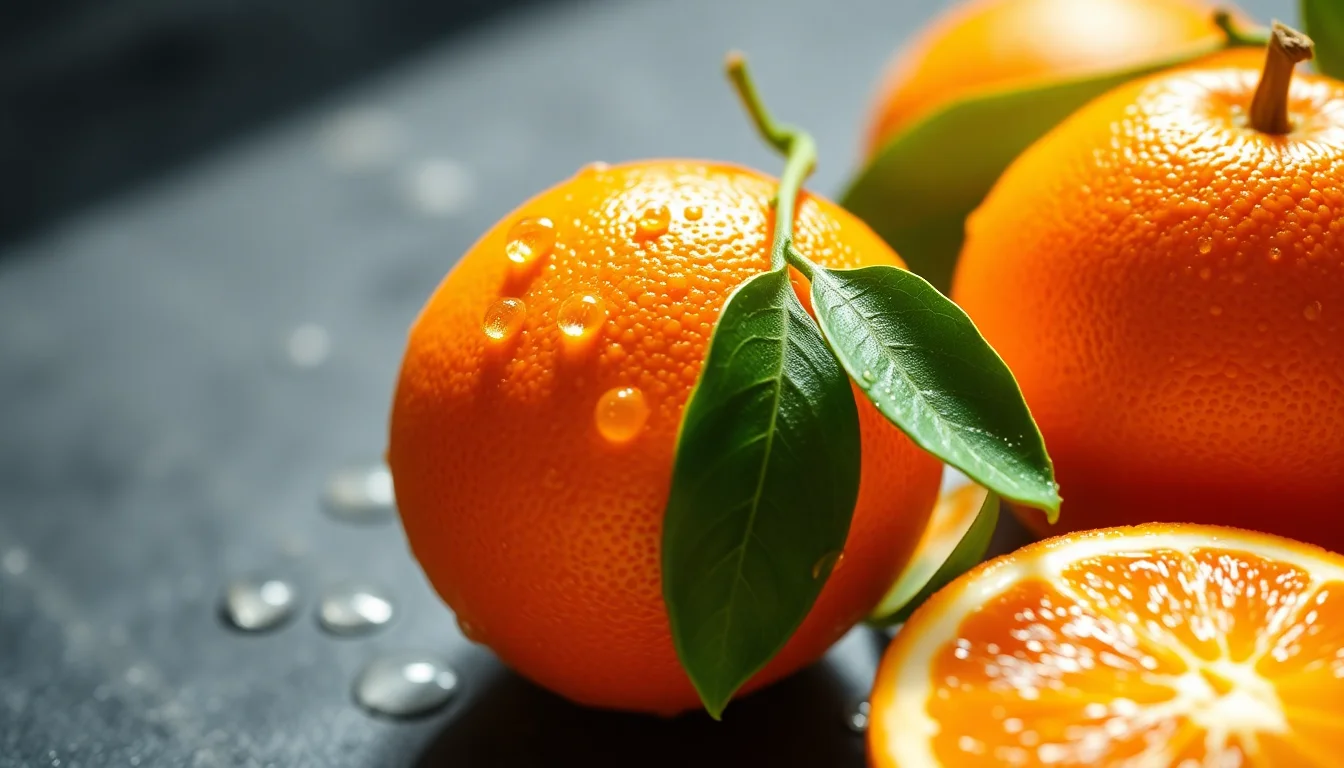
Tangerine oil terpenes are the aromatic compounds extracted from tangerine peel, creating the vibrant, zesty scent of fresh citrus. You’ll find them in cleaning products, summer fragrances, and citrus-flavored foods. These terpenes capture the essence of sun-ripened tangerines – a scent universally associated with freshness and energy. They matter because they provide the authentic top note in citrus fragrances without the phototoxic risks of some citrus oils, making them a safer choice for perfumes and skin-contact products.
Safety Profile
GENERALLY SAFEWhat Does Tangerine oil terpenes Smell Like?
A burst of sun-warmed tangerine peel explodes with juicy sweetness, more rounded than lemon’s sharpness. The top note carries a candied orange character with subtle green undertones like crushed citrus leaves. As it evolves, the sweetness softens into a dry, slightly woody citrus reminiscent of dried peel. Unlike some citrus oils, it maintains remarkable tenacity, transitioning gracefully into a clean, slightly floral citrus heart. The dry-down reveals a whisper of peppery terpenes that add sophistication to what could otherwise be a one-dimensional fruity note.
In Famous Fragrances
Fragrance associations may not reflect actual formulations.
Tangerine terpenes provide the hyper-realistic citrus opening that defines this fragrance, their natural sweetness blending seamlessly with amber base notes to create a sun-drenched, Mediterranean-inspired composition.
Used alongside lemon and bergamot to create a more voluptuous citrus opening, the tangerine terpenes add body and diffusion to what would otherwise be a sharp citrus cocktail.
Tangerine terpenes enhance the blood orange note with their ripe, almost candy-like sweetness, creating an addictive gourmand citrus effect that lasts surprisingly long for a citrus top note.
Chemistry, Properties & Perfumer Guide
The Chemistry
Tangerine oil terpenes primarily consist of limonene (often 65-75%) along with γ-terpinene, myrcene, and α-pinene. These monoterpenes are extracted through cold pressing of Citrus reticulata peels, preserving the volatile compounds that would be damaged by heat distillation. The exact composition varies with cultivar and growing conditions – mandarin-type varieties tend to have higher methyl N-methylanthranilate content creating a more floral character. Industrial production sometimes involves fractional distillation to standardize the terpene profile or remove phototoxic compounds like bergapten.
Physical & Chemical Properties
| Appearance | Pale yellow to orange mobile liquid |
|---|---|
| Boiling Point | 175-178 °C (main component) |
| Flash Point | 48 °C |
| Density | 0.84-0.86 g/cm³ |
Key Constituent Properties
| Constituent | CAS | MW | BP °C | XLogP | Vapor P. |
|---|---|---|---|---|---|
| Limonene | 138-86-3 | 136.24 | 175-178 °C | 4.38 | 1.5 mmHg at 20°C |
| γ-Terpinene | 99-85-4 | 136.24 | 183 °C | 4.2 | 1.2 mmHg at 25°C |
Perfumer Guide
| Application | Typical % | Range | Notes |
|---|---|---|---|
| Fine Fragrance | 2-5% | Up to 10% | Provides natural citrus lift |
| Functional Products | 0.5-2% | Up to 5% | Freshness booster in cleaners |
Classic Accords
Tip: Stabilize with antioxidants like BHT to prevent oxidation of terpenes which can create off-notes over time.
Alternatives & Comparisons
For a less sweet, more straightforward citrus profile. Contains higher limonene content (90%+) but lacks tangerine’s subtle floral nuances.
When only the pure citrus character is needed without tangerine’s complexity. More affordable but one-dimensional.
Safety, Regulatory & Sustainability
⚠ Regulatory Disclaimer
General reference only. Consult current IFRA Standards Library before formulating.
IFRA Status
No restrictions under IFRA 49th Amendment. Limonene content requires proper storage to avoid oxidation products.
EU Allergen Declaration
Contains limonene (≥70%) which requires allergen labeling above 0.001% in leave-on products.
GHS Classification
RIFM Assessment
RIFM assessment confirms safe use at current industry levels. Oxidized forms may cause sensitization.
Sustainability
Sourced as a byproduct of juice production, utilizing peel waste. Cold pressing is energy-efficient compared to distillation. Synthetic versions exist but lack the full natural complexity. Terpene recovery from citrus processing wastewater is an emerging sustainable sourcing method.
Explore Tangerine oil terpenes
Browse essential oils and aroma compounds.
Browse on iHerb →Affiliate disclosure: we may earn a small commission at no extra cost to you.
References
- Dugo et al. (2011). Citrus Oils: Composition and Characterization. Journal of Essential Oil Research. DOI: 10.1080/10412905.2011.9700487
- IFRA Standards Library IFRA 49th Amendment
Data: PubChem (NIH), PubMed, RIFM, IFRA. Last reviewed: Apr 2026.
Report a data errorIngredient Data Sheet
CAS 68608-38-8Physical data: PubChem (NIH/NLM), U.S. EPA CompTox Dashboard, EPA OPERA models, RDKit. Odor & flavor: Arctander (Perfume & Flavor Chemicals), Fenaroli's Handbook of Flavor Ingredients, Leffingwell. Thresholds: van Gemert (Compilations of Odour Threshold Values). Regulatory: IFRA Standards 51st, FEMA GRAS. Trade names: Surburg (Common Fragrance & Flavor Materials). All data compiled and cross-referenced for perfumertools.com.