Artemisia herba-alba oil (CAS 84775-75-7) — Green Middle Note Fragrance Ingredient
Artemisia herba-alba oil
CAS 84775-75-7
What Is Artemisia herba-alba oil?
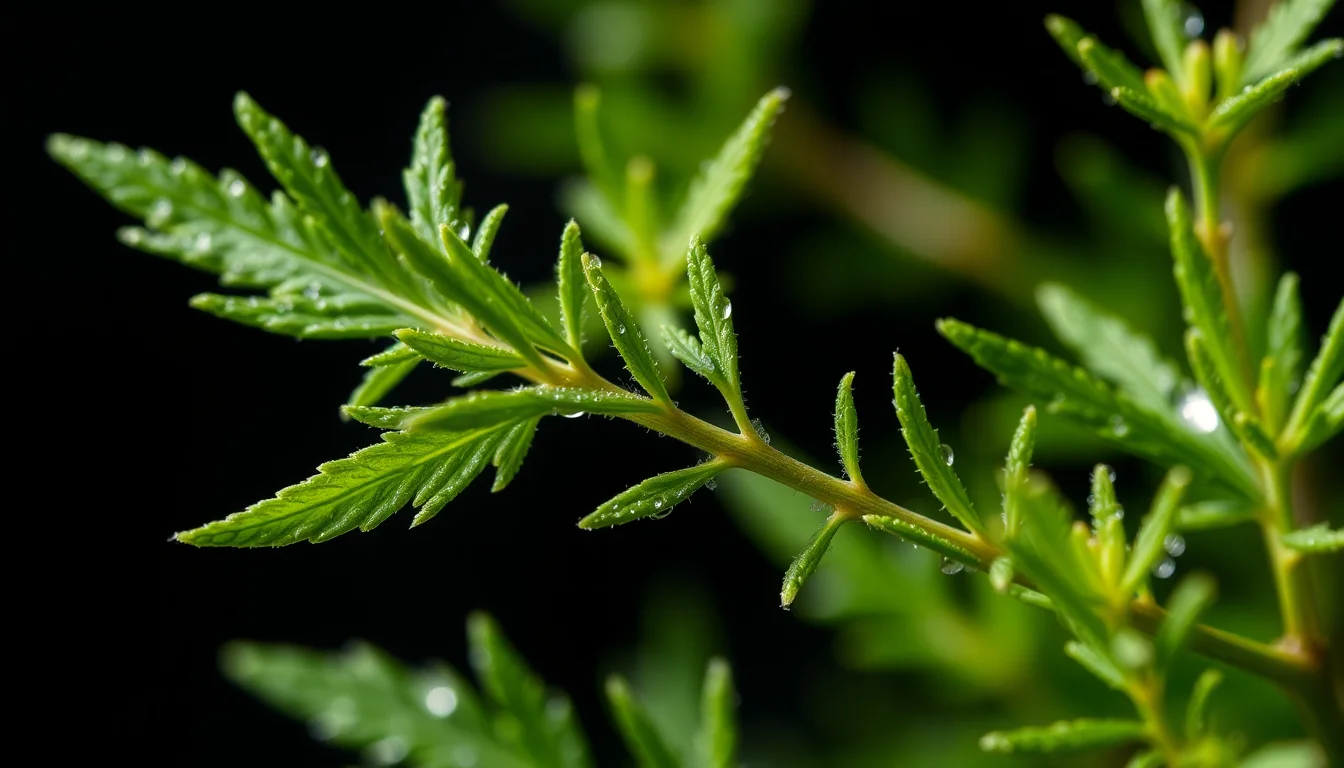
Artemisia herba-alba oil, also known as white wormwood oil, is a natural essential oil derived from the Artemisia herba-alba plant. It is commonly encountered in traditional medicines, perfumes, and aromatherapy. This oil matters because of its unique aromatic profile and historical use in various cultures for its therapeutic properties.
Safety Profile
USE WITH AWARENESSWhat Does Artemisia herba-alba oil Smell Like?
Artemisia herba-alba oil has a complex aroma that starts with sharp, herbaceous top notes reminiscent of fresh-cut greens and a hint of camphor. The heart reveals a warm, slightly bitter undertone with a touch of spice. The dry-down is earthy and woody, lingering with a subtle medicinal quality. It evokes images of sun-baked Mediterranean hillsides and ancient herbal remedies.
In Famous Fragrances
Fragrance associations may not reflect actual formulations.
Used for its herbaceous and medicinal qualities, adding depth and a touch of rustic charm to the citrus and spice accord.
Artemisia oil contributes to the arid, spicy-desert vibe, enhancing the fragrance’s evocative power.
Chemistry, Properties & Perfumer Guide
The Chemistry
Artemisia herba-alba oil is a complex mixture of monoterpenes and sesquiterpenes, including camphor, 1,8-cineole, and alpha-thujone. These compounds are responsible for its distinctive aroma and therapeutic properties. The oil is typically extracted via steam distillation of the aerial parts of the plant. Chirality is relevant as some constituents like thujone exist in enantiomeric forms with different biological activities.
Physical & Chemical Properties
| Boiling Point | Approx. 150-200 °C |
|---|---|
| Density | 0.90-0.95 g/cm³ |
Perfumer Guide
| Application | Typical % | Range | Notes |
|---|---|---|---|
| Fine Fragrance | 1-3% | Up to 5% | Adds herbaceous complexity |
| Aromatherapy | 0.5-2% | Up to 3% | Used for its calming properties |
Classic Accords
Tip: Use sparingly to avoid overpowering other notes; blends well with citrus, spice, and woody notes.
Alternatives & Comparisons
Similar herbaceous profile but with stronger bitter and medicinal notes; use when a more intense aroma is desired.
Safety, Regulatory & Sustainability
⚠ Regulatory Disclaimer
General reference only. Consult current IFRA Standards Library before formulating.
IFRA Status
No specific IFRA restrictions; use within recommended guidelines for essential oils.
EU Allergen Declaration
None declared under EU allergen regulations.
GHS Classification
RIFM Assessment
RIFM safety assessment indicates safe use at typical levels; potential sensitizer at higher concentrations.
Sustainability
Artemisia herba-alba is a hardy plant native to Mediterranean regions, requiring minimal water and pesticides. Sustainable harvesting practices are essential to prevent overexploitation. Synthetic alternatives are less common due to the oil’s complex composition.
Explore Artemisia herba-alba oil
Browse essential oils and aroma compounds.
Browse on iHerb →Affiliate disclosure: we may earn a small commission at no extra cost to you.
References
Data: PubChem (NIH), PubMed, RIFM, IFRA. Last reviewed: Apr 2026.
Report a data error
![2-Naphthalenesulfonic acid, 6-hydroxy-5-[(2-methoxy-5-methyl-4-sulfophenyl)azo]-, disodium salt (CAS 25956-17-6) — Citrus Not applicable Note Fragrance Ingredient](https://thegoodscents.company/wp-content/uploads/2026/04/2-naphthalenesulfonic-acid-6-hydroxy-5-1-1-768x439.webp)
![()-Bicyclo[2.2.1]hept-5-ene-2-carboxylic acid, ethyl ester (CAS 10138-32-6) — Woody Middle Note Fragrance Ingredient](https://thegoodscents.company/wp-content/uploads/2026/04/unnamed-file-89-768x439.webp)