Balsams, Canada, oleoresin (CAS 8007-47-4) — Balsamic Base Note Fragrance Ingredient
Balsams, Canada, oleoresin
CAS 8007-47-4
What Is Balsams, Canada, oleoresin?
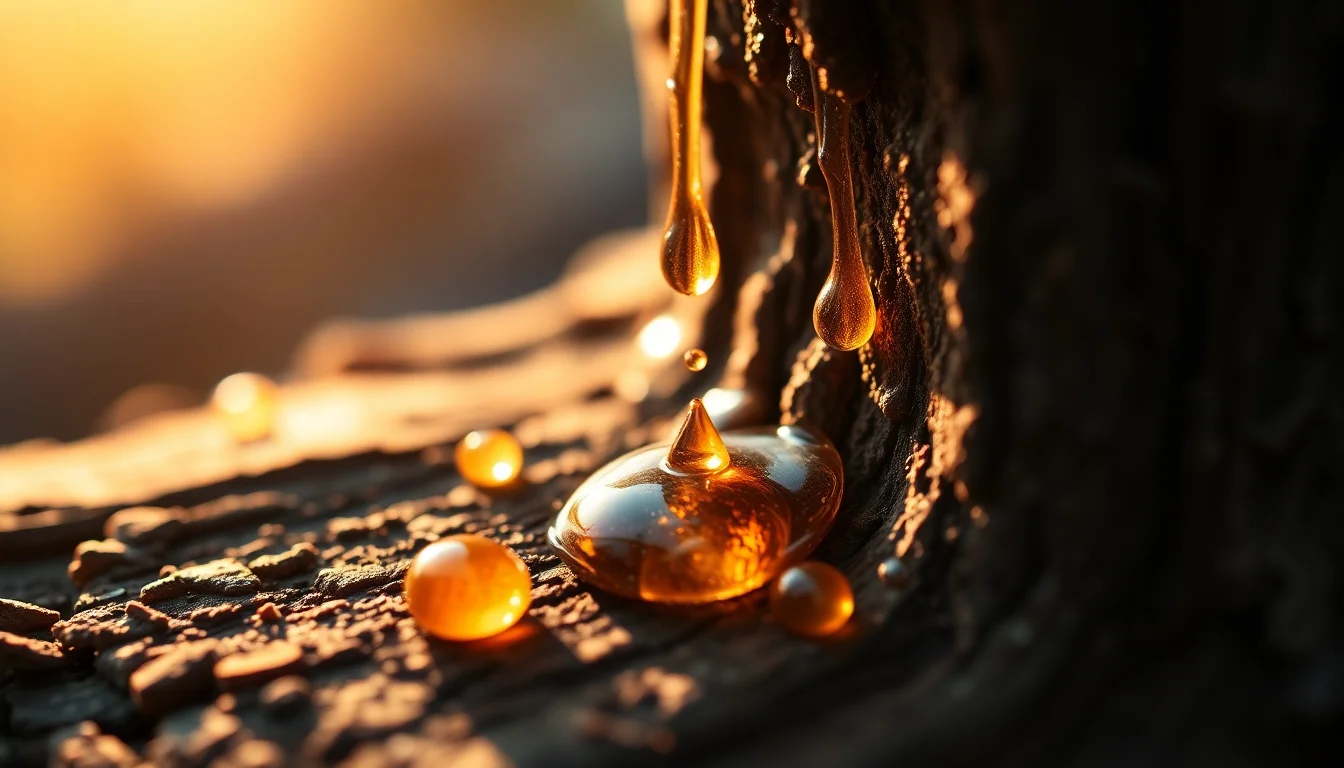
Canadian balsam is a natural oleoresin harvested from the bark of balsam fir trees (Abies balsamea). People encounter its rich, woody aroma in traditional medicines, incense, and as a fixative in perfumery. This ancient material matters because it carries the deep forest scent of Canada’s boreal ecosystems, valued for its warm, resinous character that evokes wilderness and tradition.
Safety Profile
GENERALLY SAFEWhat Does Balsams, Canada, oleoresin Smell Like?
Canadian balsam oleoresin opens with a crisp, pine-like freshness that quickly deepens into a rich, vanilla-tinged heart. Its resinous core carries hints of warm cinnamon bark and dried fruit, with a long-lasting base that melds woody and balsamic tones. The dry-down resembles aged parchment stored in a cedar chest—a complex interplay of sweet, woody, and slightly medicinal facets that provide excellent tenacity in fragrance bases.
In Famous Fragrances
Fragrance associations may not reflect actual formulations.
Used as a fixative to anchor the sandalwood-civet accord, contributing a resinous depth that contrasts with the bright citrus top notes.
Provides a woody-balsamic foundation that bridges the rosewood and vanilla, creating the signature ‘warm wood cabinet’ effect.
Used in the base to evoke Himalayan temple incense, blending with spices and leather notes for ritualistic warmth.
Chemistry, Properties & Perfumer Guide
The Chemistry
Canadian balsam is a complex mixture of terpenes, esters, and resin acids. The primary components include α-pinene (20-30%), β-pinene (10-15%), limonene (5-10%), and bornyl acetate (15-20%), along with resin acids like abietic acid. The oleoresin is obtained through bark tapping, where the viscous exudate slowly hardens upon exposure to air. Traditional harvesting involves making careful incisions in mature balsam fir trees during summer months when resin flow is highest.
Physical & Chemical Properties
| Appearance | Viscous yellow-brown liquid |
|---|---|
| Density | 0.987-1.013 g/cm³ |
| Refractive Index | 1.518-1.525 |
| Solubility | Soluble in alcohol, insoluble in water |
Key Constituent Properties
| Constituent | CAS | MW | BP °C | XLogP | Vapor P. |
|---|---|---|---|---|---|
| α-Pinene | 80-56-8 | 136.23 | 155-156 °C | 4.3 | 4.5 mmHg |
| Bornyl acetate | 76-49-3 | 196.29 | 223-226 °C | 3.5 | 0.03 mmHg |
Perfumer Guide
| Application | Typical % | Range | Notes |
|---|---|---|---|
| Fine Fragrance | 0.5-2% | Up to 5% | Provides warmth and tenacity |
| Incense | 10-30% | Up to 50% | Traditional church incense base |
Classic Accords
Tip: Combine with citrus top notes to prevent the resinous character from becoming too heavy.
Alternatives & Comparisons
Similar resinous profile but with more pronounced pine and citrus facets from Pseudotsuga menziesii.
Offers comparable balsamic sweetness but with added cinnamon-like spice notes from Liquidambar species.
Safety, Regulatory & Sustainability
⚠ Regulatory Disclaimer
General reference only. Consult current IFRA Standards Library before formulating.
IFRA Status
No IFRA restrictions (as of 51st Amendment). Natural variability requires batch testing for consistency.
EU Allergen Declaration
Contains limonene (≥0.1%) which requires allergen declaration per EU Cosmetics Regulation.
GHS Classification
RIFM Assessment
RIFM evaluation confirms safe use at current levels in fragrance (2015 assessment).
Sustainability
Responsible harvesting from managed boreal forests in Quebec and Ontario. Trees are tapped rotationally with 5-7 year recovery periods. Synthetic alternatives exist but lack the complexity of natural resin. Carbon sequestration from sustainable forestry practices offsets some production impacts.
Explore Balsams, Canada, oleoresin
Browse essential oils and aroma compounds.
Browse on iHerb →Affiliate disclosure: we may earn a small commission at no extra cost to you.
References
- Forsyth, W.G.C. (1950). Chemistry of Balsams. Perfumery and Essential Oil Record, 41(8). Archive.org
Data: PubChem (NIH), PubMed, RIFM, IFRA. Last reviewed: Apr 2026.
Report a data errorIngredient Data Sheet
CAS 8007-47-4Physical data: PubChem (NIH/NLM), U.S. EPA CompTox Dashboard, EPA OPERA models, RDKit. Odor & flavor: Arctander (Perfume & Flavor Chemicals), Fenaroli's Handbook of Flavor Ingredients, Leffingwell. Thresholds: van Gemert (Compilations of Odour Threshold Values). Regulatory: IFRA Standards 51st, FEMA GRAS. Trade names: Surburg (Common Fragrance & Flavor Materials). All data compiled and cross-referenced for perfumertools.com.
Related Research
- 2-Hexyl-(E)-cinnamaldehyde (CAS 165184-98-5) — Sweet Middle Note Fragrance Ingredient
- Elemol (CAS 639-99-6) — Woody Middle Note Fragrance Ingredient
- Methyl cis-5-octenoate (CAS 41654-15-3) — Green Top to middle Note Fragrance Ingredient
- Pine needle, dwarf, oil (CAS 8000-26-8) — Woody Top to Middle Note Fragrance Ingredient