beta-Ionone (CAS 14901-07-06) — Floral Heart Note Fragrance Ingredient
beta-Ionone
CAS 14901-07-06
What Is beta-Ionone?
Beta-Ionone is a naturally occurring aroma compound found in violets, raspberries, and black tea. It’s widely used in perfumery to create floral and woody nuances. This ingredient matters because it adds depth to fragrances while being more stable than some natural extracts, making it a versatile building block for modern perfumes.
Safety Profile
GENERALLY SAFEWhat Does beta-Ionone Smell Like?
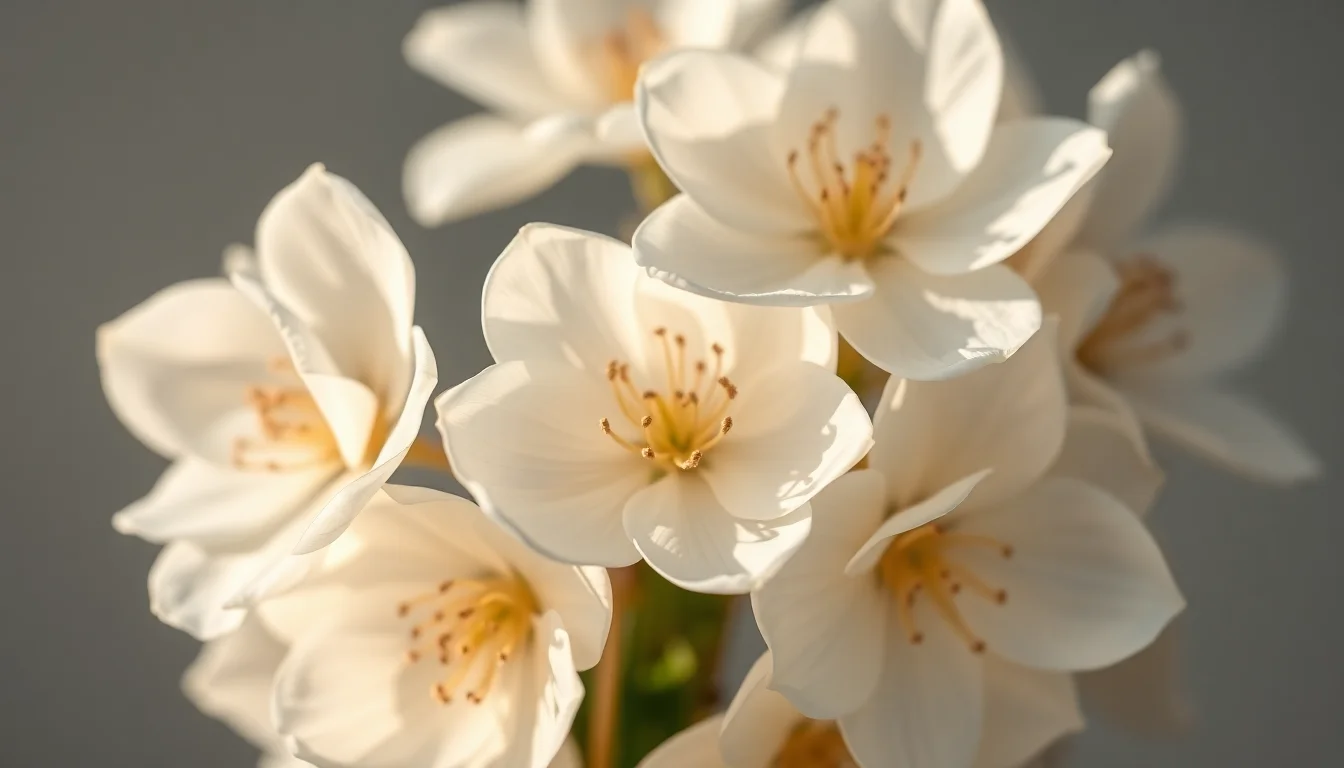
Beta-Ionone opens with a lush violet sweetness reminiscent of crushed petals, evolving into a velvety orris-like heart with subtle raspberry undertones. The dry-down reveals warm woody facets with a faintly powdery finish, behaving like a chameleon that amplifies floral compositions while adding structural depth to woody accords.
In Famous Fragrances
Fragrance associations may not reflect actual formulations.
Beta-Ionone creates the signature melancholy violet-iris accord, blending with heliotrope for a rain-drenched floral effect.
Used alongside violet leaf to construct the metallic floral facet that defines this revolutionary leather fragrance.
Chemistry, Properties & Perfumer Guide
The Chemistry
Beta-Ionone is a norisoprenoid derived from carotenoid degradation. Industrially produced via aldol condensation of citral with acetone followed by cyclization. The gamma isomer is more floral while beta leans woody. Key chiral forms influence odor profile – natural (R)-enantiomer being more fragrant than synthetic racemic mixtures.
Physical & Chemical Properties
| Boiling Point | 266-268 °C |
|---|---|
| Density | 0.94 g/cm³ |
| Refractive Index | 1.518 |
Perfumer Guide
| Application | Typical % | Range | Notes |
|---|---|---|---|
| Fine Fragrance | 1-3% | Up to 5% | Floral modifier |
| Functional Fragrance | 0.1-0.5% | Up to 1% | Berry enhancer |
Classic Accords
Tip: Combine with ionones and damascones to create complex floral-woody structures.
Alternatives & Comparisons
More floral and less woody, preferred for violet reconstructions.
Softer orris effect with better stability in alkaline formulations.
Safety, Regulatory & Sustainability
⚠ Regulatory Disclaimer
General reference only. Consult current IFRA Standards Library before formulating.
IFRA Status
No restrictions under IFRA 49th Amendment.
EU Allergen Declaration
Not listed in EU allergen regulation.
RIFM Assessment
RIFM assessment concluded safe at current usage levels.
Sustainability
Synthetic production reduces pressure on natural violet resources. Modern catalytic processes minimize waste compared to traditional extraction methods.
Explore beta-Ionone
Browse essential oils and aroma compounds.
Browse on iHerb →Affiliate disclosure: we may earn a small commission at no extra cost to you.
References
- Burdock, G.A. (2010). Fenaroli’s Handbook of Flavor Ingredients. CRC Press.
- Sell, C. (2006). The Chemistry of Fragrances. RSC Publishing.
Data: PubChem (NIH), PubMed, RIFM, IFRA. Last reviewed: Apr 2026.
Report a data error