Bisabolene (CAS 495-62-5) — Woody Base Note Fragrance Ingredient
Bisabolene
CAS 495-62-5
What Is Bisabolene?
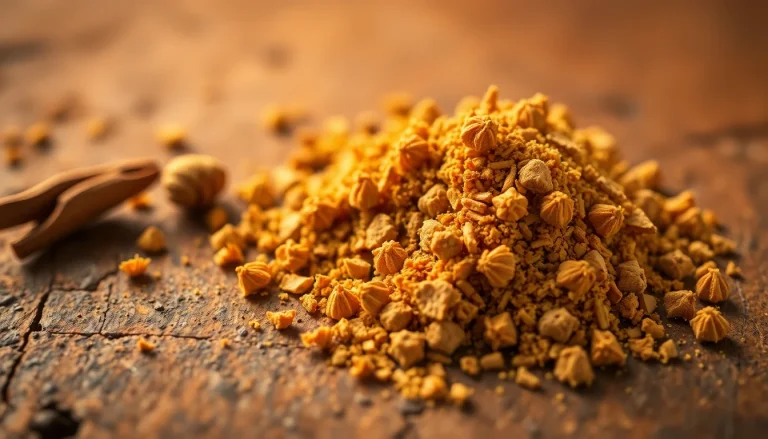
Bisabolene is a woody-scented molecule found naturally in some essential oils like ginger and chamomile, but most fragrance applications use synthetic versions. It adds warm, slightly spicy depth to woody and oriental perfumes. This ingredient matters because it provides a natural-smelling woody base without relying on endangered tree species, making modern sustainable perfumery possible.
Safety Profile
GENERALLY SAFEWhat Does Bisabolene Smell Like?
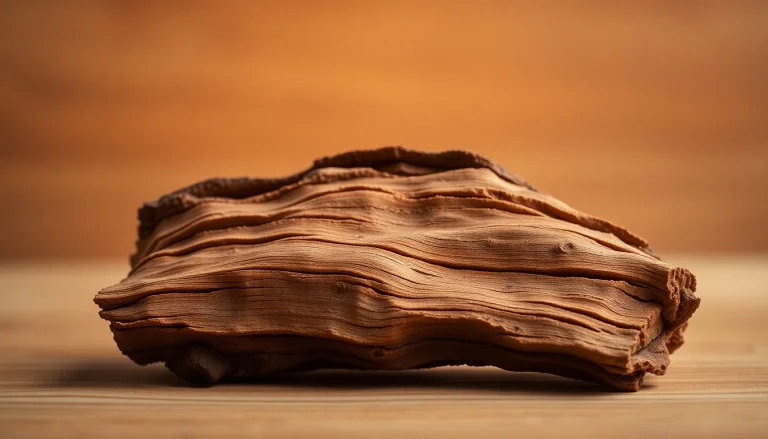
Bisabolene unfolds as a warm, dry woodiness with subtle peppery facets – imagine sandalwood shavings dusted with white pepper. The initial impression carries faint citrusy brightness before settling into a creamy, slightly balsamic base. In drydown, it behaves like well-aged cedarwood, losing any sharp edges while maintaining excellent tenacity. When overdosed, it can develop a rubbery undertone, but at optimal levels contributes sophisticated woody depth without overwhelming floral or citrus top notes.
In Famous Fragrances
Fragrance associations may not reflect actual formulations.
2D Molecular Structure
SMILES: CC(C)=CCCC(C)=C1CCC(C)=CC1
Chemistry, Properties & Perfumer Guide
The Chemistry
Bisabolene is a sesquiterpene hydrocarbon existing in α, β, and γ isomeric forms, with β-bisabolene being most common in fragrance applications. The synthetic version is typically produced via cyclization of farnesene precursors. Its non-polar structure contributes to excellent longevity in fragrance bases. The molecule lacks chiral centers, making synthetic versions identical to natural isolates. Commercial grades often contain mixtures of isomers to achieve specific olfactory profiles.
Physical & Chemical Properties
| Boiling Point | 120-125 °C (0.5 mmHg) |
|---|---|
| Density | 0.86 g/cm³ |
| Refractive Index | 1.489 |
Perfumer Guide
| Application | Typical % | Range | Notes |
|---|---|---|---|
| Fine Fragrance | 1-3% | 0.5-5% | Woody base note |
| Home Fragrance | 2-4% | 1-6% | Adds warmth to woody diffuser blends |
Classic Accords
Tip: Use to extend sandalwood notes while reducing cost – start at 0.5% and increase until desired woodiness appears.
Alternatives & Comparisons
Safety, Regulatory & Sustainability
⚠ Regulatory Disclaimer
General reference only. Consult current IFRA Standards Library before formulating.
IFRA Status
No IFRA restrictions (2023 Amendment 49)
RIFM Assessment
RIFM assessment confirms safe use at current industry levels.
Sustainability
Synthetic bisabolene reduces pressure on sandalwood forests while maintaining olfactory quality. Most commercial production uses bio-based farnesene precursors from sugarcane fermentation, offering renewable sourcing. The synthesis route has relatively low environmental impact compared to traditional sandalwood extraction methods.
Explore Bisabolene
Browse essential oils and aroma compounds.
Browse on iHerb →Affiliate disclosure: we may earn a small commission at no extra cost to you.
References
- Bauer et al. (2001). Common Fragrance and Flavor Materials. Wiley-VCH.
- Sell C. (2019). A Fragrant Introduction to Terpenoid Chemistry. Royal Society of Chemistry.
Data: PubChem (NIH), PubMed, RIFM, IFRA. Last reviewed: Apr 2026.
Report a data errorIngredient Data Sheet
CAS 495-62-5Physical Properties
| Molecular Weight | 204.35 g/mol🔬 PubChem |
| LogP (Octanol-Water) | 4.7🔬 PubChem |
| Boiling Point | 258 °C🔬 EPA CompTox |
| Vapor Pressure | 0.0054 mmHg @ 25°C📊 OPERA |
| Flash Point | 112.4 °C🔬 EPA CompTox |
| Involatility Index | 0.0004💻 Calculated |
| log Kp (skin permeability) | -0.61💻 Calculated |
| SMILES | CC1=CCC(=C(C)CCC=C(C)C)CC1🔬 PubChem |
Volatility & Performance
| Fragrance Note | Heart💻 Calculated |
| Volatility Class | Very slow💻 Calculated |
| Persistence Score | 5.2 / 5💻 Calculated |
Odor & Flavor
| Functional Groups | alkene💻 RDKit |
| “Pleasant, warm, sweet-spicy-balsamic odor, inevitably reminding the perfumer of Opopanax and "Oriental" fragrance types.”📖 Arctander | |
| Bisabolene has a pleasant balsamic odor.📖 Fenaroli | |
Regulatory Status
| IOFI Classification | Nature Identical📖 Fenaroli |
Physical data: PubChem (NIH/NLM), U.S. EPA CompTox Dashboard, EPA OPERA models, RDKit. Odor & flavor: Arctander (Perfume & Flavor Chemicals), Fenaroli's Handbook of Flavor Ingredients, Leffingwell. Thresholds: van Gemert (Compilations of Odour Threshold Values). Regulatory: IFRA Standards 51st, FEMA GRAS. Trade names: Surburg (Common Fragrance & Flavor Materials). All data compiled and cross-referenced for perfumertools.com.
Physicochemical Properties
DTXSID: DTXSID9052131
Physical Properties
| Molecular Weight | 204.357 g/mol🔬 EPA CompTox |
| Density | 0.854 g/cm^3🔬 EPA CTX |
| Boiling Point | 265.056 °C📊 OPERA |
| Melting Point | 18.248 °C📊 OPERA |
| Flash Point | 111.121 °C📊 OPERA |
| Refractive Index | 1.494 Dimensionless📊 OPERA |
| Molar Volume | 235.566 cm^3/mol📊 OPERA |
Partition & Solubility
| LogP (Octanol-Water) | 5.63 Log10 unitless📊 OPERA |
| LogD (pH 5.5) | 5.63 Log10 unitless📊 OPERA |
| LogD (pH 7.4) | 5.63 Log10 unitless📊 OPERA |
| LogKoa (Octanol-Air) | 7.25 Log10 unitless📊 OPERA |
| Water Solubility | 0 mol/L📊 OPERA |
| Henry's Law Constant | 0.003 atm-m3/mole📊 OPERA |
Transport Properties
| Vapor Pressure | 0.005 mmHg🔬 EPA CTX |
| Viscosity | 4.533 cP📊 OPERA |
| Surface Tension | 27.439 dyn/cm📊 OPERA |
| Thermal Conductivity | 123.129 mW/(m*K)📊 OPERA |
Molecular Descriptors
| Topological Polar Surface Area | 0 Ų💻 Computed |
| H-Bond Donors | 0 count💻 Computed |
| H-Bond Acceptors | 0 count💻 Computed |
| Rotatable Bonds | 3 count💻 Computed |
| Aromatic Rings | 0 count💻 Computed |
| Molar Refractivity | 68.521 cm^3/mol📊 OPERA |
| Polarizability | 27.164 Å^3📊 OPERA |
Data Sources:
🔬 EPA Experimental data from U.S. EPA CompTox Chemicals Dashboard & CTX APIs. 📊 OPERA Predicted using EPA's OPERA QSAR models. 💻 Computed Calculated from SMILES using RDKit.
Related Research
- 7,9-Dimethylspiro[5.5]undecan-3-one (CAS 83863-64-3) — Woody Middle to base Note Fragrance Ingredient
- Cyclohexane, 1,1-[oxybis(methylene)]bis- (CAS 14315-63-0) — Woody Middle Note Fragrance Ingredient
- 3-Methylbutyl 2-methylbutanoate (CAS 27625-35-0) — Sweet Top to middle Note Fragrance Ingredient
- 3-Octanol (CAS 589-98-0) — Green Middle Note Fragrance Ingredient