Blue tansy oil (CAS 8016-87-3) — Green Middle Note Fragrance Ingredient
Blue tansy oil
CAS 8016-87-3
What Is Blue tansy oil?
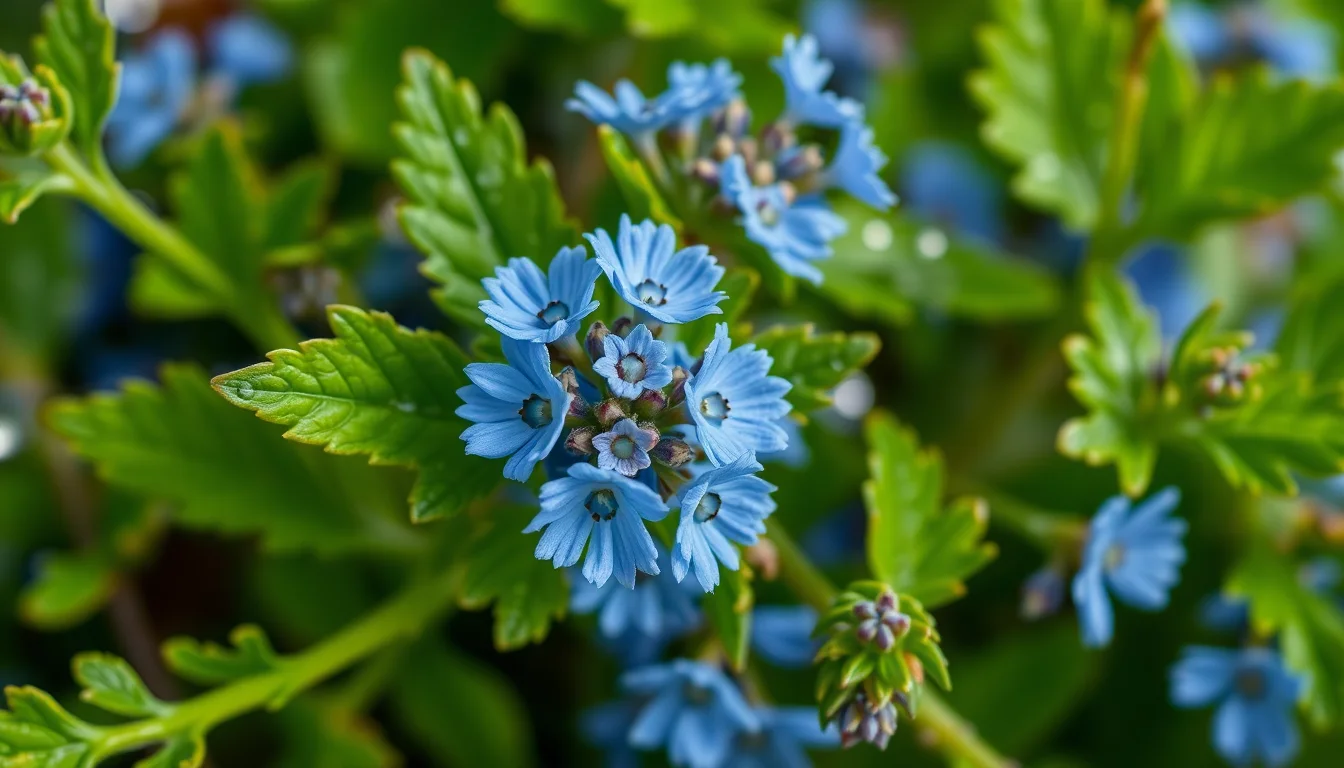
Blue tansy oil is a rare essential oil derived from the Moroccan chamomile plant (Tanacetum annuum). People encounter it in high-end aromatherapy products and niche perfumes. This matters because its striking blue color and complex aroma make it a prized ingredient, but its limited supply raises sustainability concerns.
Safety Profile
USE WITH AWARENESSWhat Does Blue tansy oil Smell Like?
Blue tansy oil opens with a sharp, herbaceous greenness reminiscent of crushed stems, quickly revealing an intense honeyed sweetness underscored by camphoraceous depth. As it dries, the oil develops a leathery, almost animalic warmth, with lingering whispers of dried apricots and chamomile tea. The overall impression is like walking through a sun-baked Moroccan herb market at dusk.
In Famous Fragrances
Fragrance associations may not reflect actual formulations.
Blue tansy provides the medicinal edge that balances this fragrance’s smoky leather accord, adding an unexpected herbal brightness to the dark composition.
Used sparingly to create the illusion of dry desert herbs, contributing to the fragrance’s remarkable arid texture.
Chemistry, Properties & Perfumer Guide
The Chemistry
Blue tansy oil’s distinctive properties come from its high chamazulene content (up to 20%), a sesquiterpene formed during distillation. The oil also contains significant amounts of sabinene, β-pinene, and myrcene. The blue color results from chamazulene’s conjugated double bond system, which also contributes to its anti-inflammatory properties.
Physical & Chemical Properties
| Appearance | Deep blue viscous liquid |
|---|---|
| Refractive Index | 1.496-1.516 |
Perfumer Guide
| Application | Typical % | Range | Notes |
|---|---|---|---|
| Fine Fragrance | 0.5-1.5% | Up to 3% | Used for its unique color and aroma |
| Aromatherapy | 1-2% | Up to 5% | Diluted in carrier oils |
Classic Accords
Tip: Use blue tansy sparingly to avoid overwhelming compositions with its medicinal character.
Alternatives & Comparisons
When a gentler, sweeter chamomile character is desired without the intense blue color.
For similar anti-inflammatory properties with a greener, less sweet profile.
Safety, Regulatory & Sustainability
⚠ Regulatory Disclaimer
General reference only. Consult current IFRA Standards Library before formulating.
IFRA Status
No specific IFRA restrictions. Classified under essential oils general guidelines.
EU Allergen Declaration
Contains limonene and linalool – must be declared if present above 0.01% in leave-on products.
GHS Classification
RIFM Assessment
RIFM assessment ongoing. Preliminary data suggests safe use at current industry levels.
Sustainability
Blue tansy grows wild in limited regions of Morocco. Sustainable harvesting practices are crucial as demand increases. Some producers are experimenting with cultivation to reduce pressure on wild populations. The distillation yield is low (0.2-0.5%), making this one of perfumery’s more precious materials.
Explore Blue tansy oil
Browse essential oils and aroma compounds.
Browse on iHerb →Affiliate disclosure: we may earn a small commission at no extra cost to you.
References
- Boukhatem et al. (2014). Tanacetum annuum essential oil. Journal of Essential Oil Research.
- PubChem Compound Summary for Chamazulene CID 10719
Data: PubChem (NIH), PubMed, RIFM, IFRA. Last reviewed: Apr 2026.
Report a data errorIngredient Data Sheet
CAS 8016-87-3Odor & Flavor
| The oil is obtained by steam distillation. The oil has a warm, sharp, spicy odor.📖 Fenaroli |
Regulatory Status
| IOFI Classification | Natural📖 Fenaroli |
Physical data: PubChem (NIH/NLM), U.S. EPA CompTox Dashboard, EPA OPERA models, RDKit. Odor & flavor: Arctander (Perfume & Flavor Chemicals), Fenaroli's Handbook of Flavor Ingredients, Leffingwell. Thresholds: van Gemert (Compilations of Odour Threshold Values). Regulatory: IFRA Standards 51st, FEMA GRAS. Trade names: Surburg (Common Fragrance & Flavor Materials). All data compiled and cross-referenced for perfumertools.com.
Related Research
- Dihydrocoumarin (CAS 119-84-6) — Sweet Base Note Fragrance Ingredient
- 5,8-Methano-2H-1-benzopyran, 6(or 7)-ethylideneoctahydro-, [4aR,5S,8S,8aS(or 4aR,5R,8S,8aR)]-rel- (CAS 943723-15-7) — Woody Heart Note Fragrance Ingredient
- 6-Ethylideneoctahydro-5,8-methano-2H-benzo-1-pyran (CAS 93939-86-7) — Woody Middle to Base Note Fragrance Ingredient
- Cyclohexanone diethyl ketal (CAS 1670-47-9) — Green Top Note Fragrance Ingredient