Boronia absolute (CAS 8053-33-6) — Floral Heart Note Fragrance Ingredient
Boronia absolute
CAS 8053-33-6
What Is Boronia absolute?
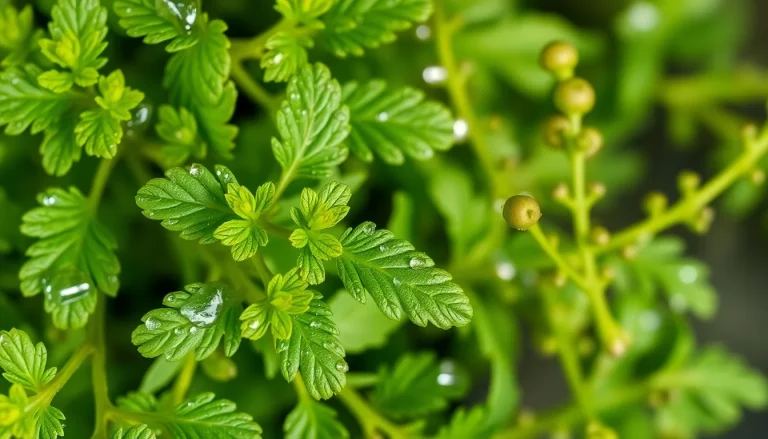
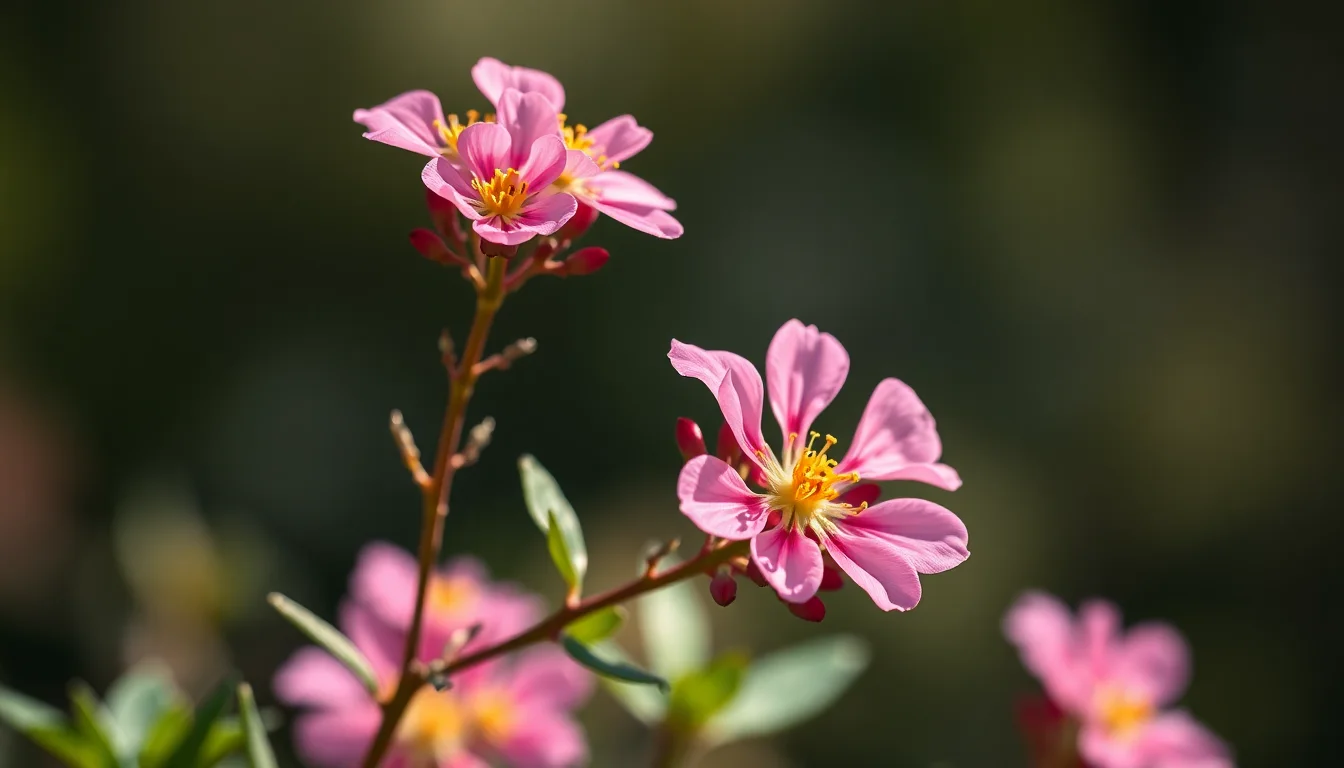
Boronia absolute is a rare floral extract from the Boronia megastigma plant, primarily found in Western Australia. It’s encountered in niche perfumes and luxury fragrances. This precious material matters because it captures an intensely floral, slightly fruity aroma that’s difficult to replicate synthetically, making it a prized ingredient for perfumers seeking unique floral signatures.
Safety Profile
USE WITH AWARENESSWhat Does Boronia absolute Smell Like?
Boronia absolute bursts with an intense, wine-like floralcy reminiscent of overripe apricots soaked in black tea. The top notes carry a surprising animalic edge that quickly softens into a heart of honeyed violets and damp earth. As it dries, it reveals a complex base of dried fruits, woody undertones, and a whisper of leather. The evolution is like watching sunlight filter through stained glass – starting bright and colorful before settling into deep, luminous hues.
In Famous Fragrances
Fragrance associations may not reflect actual formulations.
Boronia provides a lush, fruity counterpoint to the powdery iris, creating a velvety texture that bridges the floral and woody elements.
This soliflore showcases boronia’s full spectrum, from its bright top to its honeyed drydown, amplified by saffron and vetiver.
Boronia adds unexpected depth to the rose, introducing fermented fruit nuances that make the composition more complex.
Chemistry, Properties & Perfumer Guide
The Chemistry
Boronia absolute is obtained through solvent extraction of Boronia megastigma flowers, yielding a complex mixture of hundreds of compounds. Key constituents include β-ionone (contributing violet notes), dihydro-β-ionone, and various terpenoids. The absolute contains unique sulfur compounds responsible for its characteristic wine-like nuances. Unlike many florals, it contains minimal benzyl alcohol or other common floral solvents, making its profile particularly distinctive.
Physical & Chemical Properties
| Appearance | Dark viscous liquid |
|---|---|
| Solubility | Soluble in alcohol, insoluble in water |
Perfumer Guide
| Application | Typical % | Range | Notes |
|---|---|---|---|
| Fine Fragrance | 0.1-0.5% | Up to 1% | Used sparingly due to intensity |
| Candles | 0.05-0.2% | Up to 0.5% | Heat enhances fruity aspects |
Classic Accords
Tip: Use boronia to add dimension to rose accords – start with 0.1% and adjust upward carefully.
Alternatives & Comparisons
Provides similar violet aspects without boronia’s complexity. Use when cost is a factor or when the wine-like notes aren’t desired.
Safety, Regulatory & Sustainability
⚠ Regulatory Disclaimer
General reference only. Consult current IFRA Standards Library before formulating.
IFRA Status
No specific IFRA restrictions. General guidelines for natural extracts apply.
RIFM Assessment
RIFM has evaluated boronia absolute as safe for use in fragrance at current levels.
Sustainability
Boronia is wild-harvested in limited quantities, making sustainable sourcing critical. Some growers are implementing cultivation programs to reduce pressure on wild populations. The extraction yield is extremely low (about 0.01%), requiring large amounts of plant material. Synthetic alternatives exist but cannot fully replicate the natural extract’s complexity.
Explore Boronia absolute
Browse essential oils and aroma compounds.
Browse on iHerb →Affiliate disclosure: we may earn a small commission at no extra cost to you.
References
- Baldovini et al. (2011). Phytochemistry of the essential oil of Boronia megastigma. Flavour and Fragrance Journal. DOI:10.1002/ffj.2045
Data: PubChem (NIH), PubMed, RIFM, IFRA. Last reviewed: Apr 2026.
Report a data errorIngredient Data Sheet
CAS 8053-33-6Odor & Flavor
| See above, Boronia. The absolute, prepared by alcoholic extraction of concrete, contains the same constituents as the concrete and exhibits a fresh, green, fruital, spicy odor reminiscent of cinnamon and tobacco.📖 Fenaroli |
Regulatory Status
| IOFI Classification | Natural📖 Fenaroli |
Physical data: PubChem (NIH/NLM), U.S. EPA CompTox Dashboard, EPA OPERA models, RDKit. Odor & flavor: Arctander (Perfume & Flavor Chemicals), Fenaroli's Handbook of Flavor Ingredients, Leffingwell. Thresholds: van Gemert (Compilations of Odour Threshold Values). Regulatory: IFRA Standards 51st, FEMA GRAS. Trade names: Surburg (Common Fragrance & Flavor Materials). All data compiled and cross-referenced for perfumertools.com.
Related Research
- Tricyclodecanyl acetate (CAS 64001-15-6) — Woody Middle Note Fragrance Ingredient
- Decalepis hamiltonii extract (CAS 853947-36-1) — Green Base Note Fragrance Ingredient
- 2-Phenoxyethyl propionate (CAS 23495-12-7) — Floral Middle Note Fragrance Ingredient
- Methyl butyrate (CAS 623-42-7) — Sweet Top Note Fragrance Ingredient