Galbanum Oil (CAS 8023-91-4) — Green Top Note Fragrance Ingredient
Galbanum Oil
CAS 8023-91-4
What Is Galbanum Oil?
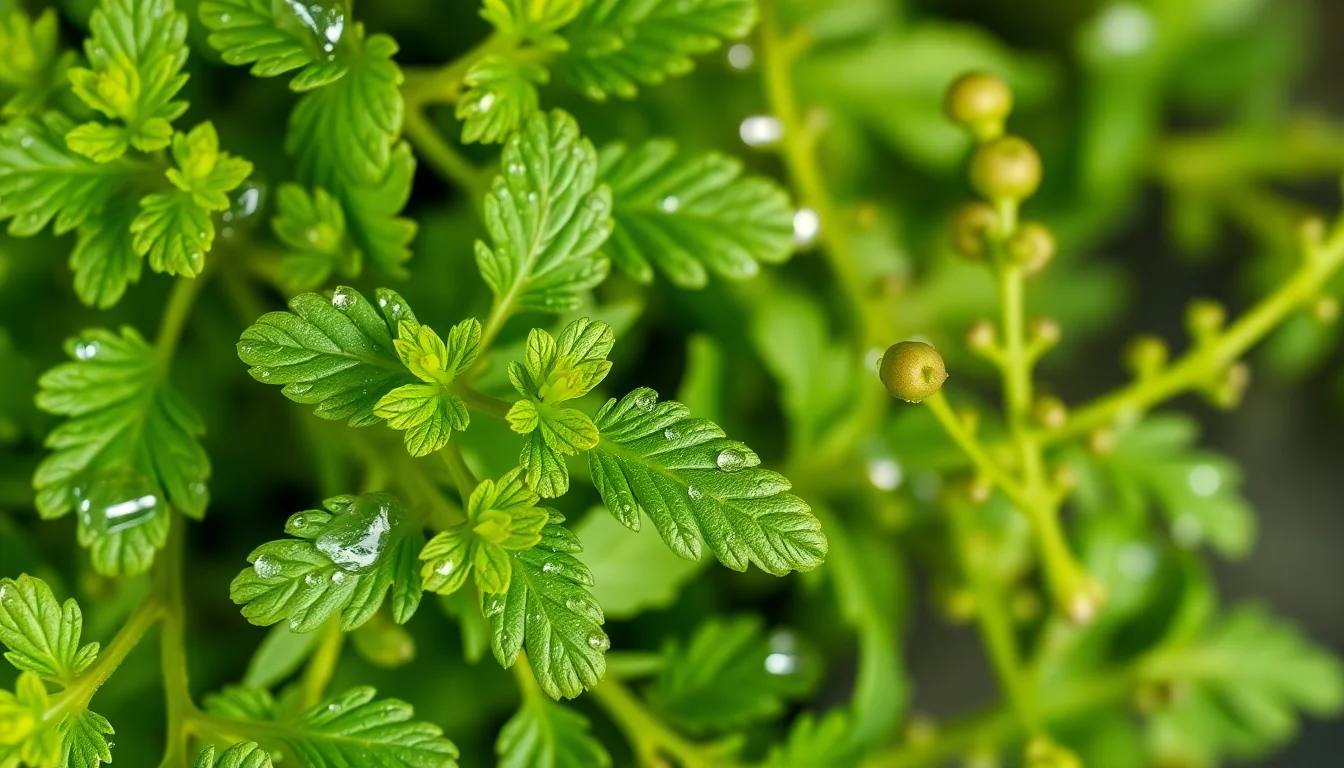
Galbanum oil is a resinous essential oil derived from the Ferula galbaniflua plant, often encountered in high-end perfumes and aromatherapy. Its intense green, earthy aroma makes it a distinctive component in fragrances. This oil matters because it adds a unique verdant sharpness that can’t be replicated by synthetic ingredients, creating depth and complexity in perfumery.
Safety Profile
USE WITH AWARENESS
What Does Galbanum Oil Smell Like?
Galbanum oil bursts forth with an intensely green, almost violent verdancy—like crushing fresh celery stalks and pine needles between your fingers. The top note is sharply herbal with a peppery bite, evolving into a heart of damp earth and faintly sweet balsamic undertones. As it dries down, it reveals a resinous, slightly smoky base that lingers with a medicinal edge. This is nature’s greenest whisper turned into a shout.
Scent Profile
In Famous Fragrances
Fragrance associations may not reflect actual formulations.
Galbanum provides the iconic razor-sharp green opening that defines this classic, contrasting with the powdery iris heart.
Galbanum’s aggressive greenness was amplified here to create what many consider the ultimate ‘green’ fragrance.
Used to add a dangerous, almost metallic edge to this leather chypre masterpiece.
Galbanum’s crispness balances the floral bouquet, creating a sophisticated green floral.
Galbanum’s cool greenness complements the hyacinth and moss in this underrated green chypre.
Chemistry, Properties & Perfumer Guide
The Chemistry
Galbanum oil is a complex natural mixture containing over 120 identified compounds. The dominant constituents are monoterpenes like α-pinene and β-pinene (20-30%), along with sesquiterpenes. What makes galbanum unique is its high content of sulfur compounds (3-5%) including unusual structures like (Z)-1,3,5-undecatriene. These sulfur molecules are responsible for the characteristic ‘green’ odor. The oil is obtained by steam distillation of the gum resin exuded from the stems of Ferula species, primarily F. galbaniflua and F. rubricaulis growing in Iran.
Chemical Composition
Physical & Chemical Properties
| Appearance | Pale yellow to greenish viscous liquid |
|---|---|
| Boiling Point | 160-220 °C (mixture) |
| Density | 0.867-0.890 g/cm³ |
| Refractive Index | 1.470-1.490 |
| Solubility | Soluble in alcohol, insoluble in water |
Key Constituent Properties
| Constituent | CAS | MW | BP °C | XLogP | Vapor P. |
|---|---|---|---|---|---|
| α-Pinene | 80-56-8 | 136.23 | 155 | 2.8 | 4.5 mmHg |
| β-Pinene | 127-91-3 | 136.23 | 165 | 2.8 | 3.5 mmHg |
| Limonene | 5989-27-5 | 136.23 | 176 | 4.2 | 1.5 mmHg |
Perfumer Guide
| Application | Typical % | Range | Notes |
|---|---|---|---|
| Fine Fragrance | 0.5-2% | Up to 5% | Powerful modifier – use sparingly |
| Functional Fragrance | 0.1-0.5% | Up to 1% | For green freshness in soaps |
| Aromatherapy | 1-3% | Up to 5% | Used for grounding blends |
Classic Accords
+ Jasmine + Sandalwood = Green Floral
+ Lavender + Patchouli = Herbal Fougère
Tip: Always pre-dilute galbanum to 10% before blending to tame its aggressive green character.
Alternatives & Comparisons
Synthetic green note that mimics galbanum’s sharpness without the sulfurous aspects.
Provides a cleaner, more modern green apple-like alternative to galbanum’s earthiness.
For a softer, grassier green effect when galbanum would be too harsh.
Safety, Regulatory & Sustainability
⚠ Regulatory Disclaimer
General reference only. IFRA, REACH, EU Cosmetics Regulation standards update periodically. Consult current IFRA Standards Library before formulating. Not legal or regulatory advice.
IFRA Status
No IFRA restrictions. Approved for use without limitations under IFRA 51st Amendment.
EU Allergen Declaration
Contains limonene which requires allergen declaration above 100 ppm in leave-on products.
GHS Classification
H317 May cause allergic skin reaction
RIFM Assessment
RIFM assessment concludes safe use at current levels based on absence of phototoxicity and moderate sensitization potential.
Sustainability
Galbanum is sustainably wild-harvested in Iran where the Ferula plants grow naturally. The resin tapping process doesn’t kill the plants, allowing for regeneration. However, climate change and overharvesting in some areas are concerns. Some perfumers are exploring biotechnology routes to produce key galbanum molecules sustainably.
Explore Galbanum Oil
Browse essential oils and aroma compounds.
Affiliate disclosure: we may earn a small commission at no extra cost to you.
Industry & Science Data
References
- Boelens, M.H. (1994). Chemical and Sensory Evaluation of Galbanum Oil. Perfumer & Flavorist. Industry Journal
- PubChem Compound Summary for α-Pinene CID 6654
- IFRA Standards Library 51st Amendment IFRA
Data: PubChem (NIH), PubMed, RIFM, IFRA. Last reviewed: Mar 2026.
Ingredient Data Sheet
CAS 8023-91-4Odor & Flavor
| The oil is obtained by steam distillation of the dried resinous gum. The “soft” or “Levant” type of galbanum is preferred because it contains far more essential oil. The yield is generally in excess of 15%. It has a balsamic, somewhat spicy, characteristic odor.📖 Fenaroli |
Regulatory Status
| IOFI Classification | Natural📖 Fenaroli |
Physical data: PubChem (NIH/NLM), U.S. EPA CompTox Dashboard, EPA OPERA models, RDKit. Odor & flavor: Arctander (Perfume & Flavor Chemicals), Fenaroli's Handbook of Flavor Ingredients, Leffingwell. Thresholds: van Gemert (Compilations of Odour Threshold Values). Regulatory: IFRA Standards 51st, FEMA GRAS. Trade names: Surburg (Common Fragrance & Flavor Materials). All data compiled and cross-referenced for perfumertools.com.
Related Research
- (1R)-Nopol (CAS 35836-73-8) — Woody Top to Middle Note Fragrance Ingredient
- 2-Propyl heptanenitrile (CAS 208041-98-9) — Green Top to middle Note Fragrance Ingredient
- Calcium silicate (CAS 1344-95-2) — Citrus None Note Fragrance Ingredient
- Balsam fir oleoresin (CAS 85085-34-3) — Woody Base Note Fragrance Ingredient