Orange Blossom Absolute (CAS 8016-38-4) — Floral Top Note Fragrance Ingredient
Orange Blossom Absolute
CAS 8016-38-4
What Is Orange Blossom Absolute?
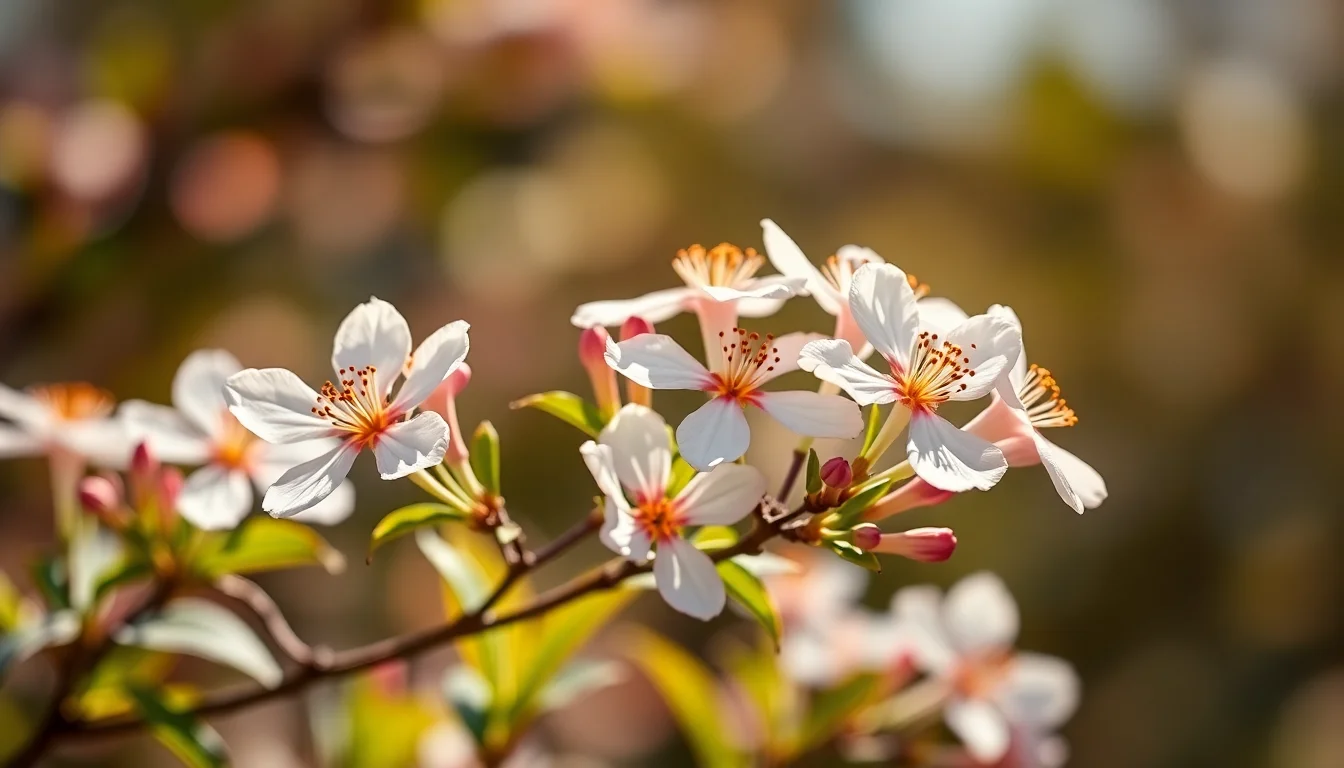
Orange Blossom Absolute is a luxurious floral extract derived from the blossoms of bitter orange trees. People encounter it in high-end perfumes, soaps, and gourmet desserts. This ingredient captures the essence of Mediterranean spring with its intoxicating floral-citrus aroma. It matters because it’s one of perfumery’s most prized floral materials, offering a complex scent profile that synthetic alternatives struggle to replicate. The labor-intensive production process (requiring thousands of hand-picked blossoms) makes it a precious commodity in fragrance creation.
Safety Profile
GENERALLY SAFEWhat Does Orange Blossom Absolute Smell Like?
Orange Blossom Absolute bursts with an intense, honeyed floralcy reminiscent of sun-warmed citrus groves. The top notes present a sparkling neroli-like freshness with subtle indolic undertones. As it evolves, the heart reveals a narcotic floral bouquet – jasmine-like richness intertwined with apricot-like fruitiness. The dry-down is warm and slightly powdery, with lingering beeswax and green tea nuances. Unlike neroli oil (from the same blossoms), the absolute is deeper and more voluptuous, with a candied orange peel character that makes it irresistible in oriental and floral compositions.
Scent Profile
In Famous Fragrances
Fragrance associations may not reflect actual formulations.
Showcases orange blossom’s indolic depth, amplified by cumin and jasmine. The absolute provides a creamy, almost edible quality that distinguishes it from neroli-focused fragrances.
Uses orange blossom to soften the aldehydic sparkle, creating a floral bridge between the citrus top and powdery base. The absolute’s honeyed facets enhance the perfume’s warmth.
Orange blossom absolute forms the luminous core, blending with ylang-ylang and damask rose. Its solar quality makes the floral bouquet shimmer like golden light.
Pairs orange blossom with citrus to create a refreshing yet sophisticated cologne. The absolute’s floral depth prevents the composition from being too fleeting.
Orange blossom absolute contributes to the golden floral opulence, mingling with gardenia and vanilla. Its honeyed facets enhance the perfume’s oriental character.
Chemistry, Properties & Perfumer Guide
The Chemistry
Orange Blossom Absolute is obtained through solvent extraction of Citrus aurantium blossoms, yielding a complex mixture of over 300 compounds. Key constituents include linalool (15-30%), linalyl acetate (5-15%), and methyl anthranilate (1-5%), which contribute floral and fruity notes. The indole (0.1-0.5%) and jasmonate derivatives create the material’s narcotic depth. Unlike steam-distilled neroli oil, the absolute retains heavier molecules like farnesol and phytol that contribute to its lasting power. Modern production primarily occurs in Tunisia and Morocco, where traditional enfleurage methods have been replaced by hexane extraction for higher yields.
Chemical Composition
Physical & Chemical Properties
| Appearance | Dark orange-brown viscous liquid |
|---|---|
| Flash Point | >100 °C |
| Solubility | Soluble in alcohol, insoluble in water |
Key Constituent Properties
| Constituent | CAS | MW | BP °C | XLogP | Vapor P. |
|---|---|---|---|---|---|
| Linalool | 78-70-6 | 154.25 | 198 °C | 2.7 | 0.16 mmHg |
| Linalyl acetate | 115-95-7 | 196.29 | 220 °C | 3.7 | 0.03 mmHg |
Perfumer Guide
| Application | Typical % | Range | Notes |
|---|---|---|---|
| Fine Fragrance | 0.5-2% | Up to 5% | Adds floral richness without overpowering |
| Soap/Cosmetic | 0.1-0.5% | Up to 1% | Use sparingly due to cost and intensity |
| Gourmand | 0.01-0.1% | Trace amounts | Enhances citrus flavors with floral complexity |
Classic Accords
Tip: Combine with ionones to enhance the powdery-orange facets and extend longevity.
Alternatives & Comparisons
Steam-distilled alternative with brighter, greener character. Use when a fresher top note is needed, though lacks the honeyed depth of the absolute.
Synthetic isolate of a key component. Provides grape-like floralcy but misses the complexity of the full absolute profile.
Hydrodistilled version with less indolic character. Suitable for lighter applications where a cleaner floral is desired.
Safety, Regulatory & Sustainability
⚠ Regulatory Disclaimer
General reference only. IFRA, REACH, EU Cosmetics Regulation standards update periodically. Consult current IFRA Standards Library before formulating. Not legal or regulatory advice.
IFRA Status
No restrictions under IFRA 51st Amendment. Naturally occurring methyl anthranilate is below restricted levels.
EU Allergen Declaration
Contains trace linalool (≤1%) and farnesol (≤0.5%) which require declaration above 0.01% in leave-on products.
RIFM Assessment
RIFM assessment confirms safe use at current industry levels. No phototoxicity concerns.
Sustainability
Orange blossom production supports Mediterranean agriculture, with most harvesting done by hand during brief spring flowering. Water-intensive cultivation is offset by the trees’ drought resistance. Synthetic alternatives exist but cannot replicate the full olfactory profile. Ethical concerns include fair wages for pickers, as harvesting requires precise timing at dawn. Some producers are implementing regenerative farming practices to protect soil health in traditional growing regions.
Explore Orange Blossom Absolute
Browse essential oils and aroma compounds.
Browse on iHerb →Affiliate disclosure: we may earn a small commission at no extra cost to you.
References
- Dugo, G. et al. (2011). Citrus Oils: Composition and Applications. Wiley. ISBN 978-0-470-96084-4
- Frizzo, C.D. et al. (2000). Essential Oils from Bitter Orange. Flavour and Fragrance Journal. DOI:10.1002/ffj.928
Data: PubChem (NIH), PubMed, RIFM, IFRA. Last reviewed: Mar 2026.
Report a data errorIngredient Data Sheet
CAS 8016-38-4Odor & Flavor
| The essential oil is obtained in 0.1% yields by steam distillation of the flowers. The distillation waters, rich in dissolved essence, are used as is in perfumery, cosmetics and sweets. Neroli bigarade essential oil has an intense, suave, flowery aroma.📖 Fenaroli |
Regulatory Status
| IOFI Classification | Natural📖 Fenaroli |
Physical data: PubChem (NIH/NLM), U.S. EPA CompTox Dashboard, EPA OPERA models, RDKit. Odor & flavor: Arctander (Perfume & Flavor Chemicals), Fenaroli's Handbook of Flavor Ingredients, Leffingwell. Thresholds: van Gemert (Compilations of Odour Threshold Values). Regulatory: IFRA Standards 51st, FEMA GRAS. Trade names: Surburg (Common Fragrance & Flavor Materials). All data compiled and cross-referenced for perfumertools.com.
Related Research
- 3-Decanone, 1-hydroxy (CAS 67633-95-8) — Sweet Middle Note Fragrance Ingredient
- Lantana camara oil (CAS 90046-17-6) — Floral Heart to base Note Fragrance Ingredient
- Oakmoss extract (CAS 68917-10-2) — Woody Base Note Fragrance Ingredient
- Benzeneacetic acid, 3,7-dimethyl-2,6-octadienyl ester (CAS 71648-43-6) — Floral Middle Note Fragrance Ingredient