
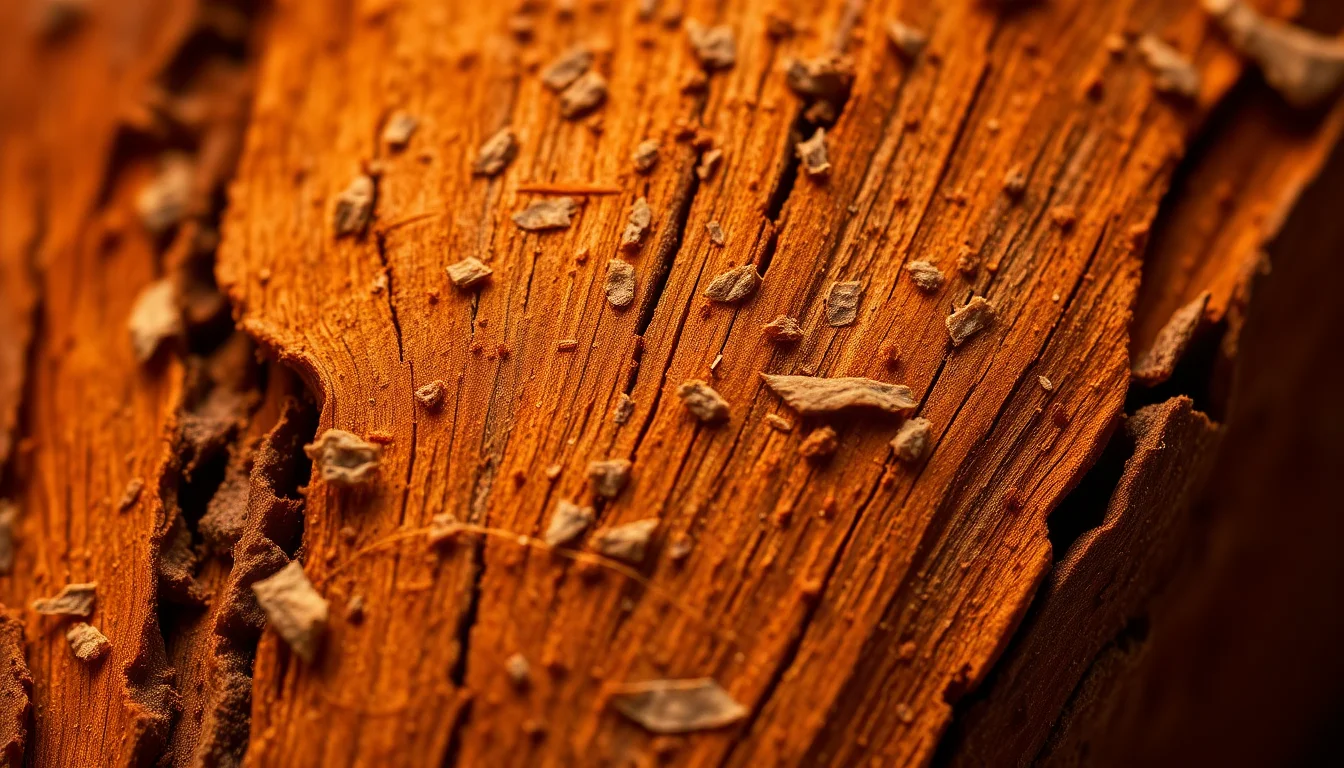
Calamus oil (CAS 8015-79-0) — Woody Base Note Fragrance Ingredient
Calamus oil
CAS 8015-79-0
What Is Calamus oil?
Calamus oil is derived from the roots of the Acorus calamus plant, commonly found in wetlands across Europe, Asia, and North America. It has been used historically in traditional medicine and perfumery. This oil matters because it offers a unique, earthy aroma that adds depth to fragrances, though its use is now restricted due to safety concerns.
Safety Profile
PROFESSIONAL USEWhat Does Calamus oil Smell Like?
Calamus oil emits a warm, woody, and slightly spicy aroma with earthy undertones. The top notes are sharp and medicinal, evolving into a heart of sweet, balsamic warmth. The dry-down is long-lasting, leaving a musky, animalic trail. Its scent is reminiscent of damp forests and ancient herbal remedies, evoking a sense of nostalgia and depth.
In Famous Fragrances
Fragrance associations may not reflect actual formulations.
Calamus oil adds a bold, herbal depth to this classic fragrance, complementing the lavender and vanilla notes with its earthy complexity.
Used sparingly to enhance the green, aromatic character of this iconic citrus chypre.
Calamus oil contributes to the leathery, masculine heart of this fragrance, blending with oakmoss and patchouli.
Adds a subtle, herbal sharpness to the lavender and vanilla accord.
Calamus oil enhances the leathery, smoky facets of this vintage masterpiece.
Chemistry, Properties & Perfumer Guide
The Chemistry
Calamus oil is primarily composed of beta-asarone, a phenylpropane derivative, which is responsible for its characteristic aroma. The oil is extracted via steam distillation of the rhizomes. Due to the presence of beta-asarone, which has been linked to potential toxicity, its use in perfumery is heavily restricted. The oil also contains small amounts of alpha-asarone and eugenol, contributing to its complex scent profile.
Physical & Chemical Properties
| Boiling Point | N/A |
|---|---|
| Density | N/A |
Perfumer Guide
| Application | Typical % | Range | Notes |
|---|---|---|---|
| Fine Fragrance | 0.1-0.5% | Up to 1% | Restricted use due to safety concerns |
| Aromatherapy | Not recommended | N/A | Avoid due to potential toxicity |
| Industrial | Trace amounts | N/A | Limited to professional applications |
Classic Accords
Tip: Use extreme caution and adhere to IFRA restrictions when incorporating calamus oil in formulations.
Alternatives & Comparisons
Offers a similar woody profile without the safety concerns of calamus oil.
Provides an earthy, smoky alternative with better safety profile.
Delivers a rich, earthy base note suitable for many applications.
Safety, Regulatory & Sustainability
⚠ Regulatory Disclaimer
General reference only. Consult current IFRA Standards Library before formulating.
IFRA Status
Restricted by IFRA due to the presence of beta-asarone. Not permitted for use in consumer products.
GHS Classification
RIFM Assessment
RIFM has classified calamus oil as unsafe for use in fragrances due to potential toxicity.
Sustainability
Calamus oil is sourced from wild-harvested plants, raising concerns about overharvesting and habitat destruction. Synthetic alternatives are recommended to reduce environmental impact. The oil’s restricted use also limits its sustainability in modern perfumery.
Explore Calamus oil
Browse essential oils and aroma compounds.
Browse on iHerb →Affiliate disclosure: we may earn a small commission at no extra cost to you.
References
- IFRA Standards. (2021). Restricted Ingredients List. IFRA
- RIFM. (2019). Safety Assessment of Calamus Oil. RIFM
- PubChem. Beta-asarone. PubChem
Data: PubChem (NIH), PubMed, RIFM, IFRA. Last reviewed: Apr 2026.
Report a data errorIngredient Data Sheet
CAS 8015-79-0Odor & Flavor
| The essential oil is obtained by steam distillation of dried rhizomes. Depending on the origin, it exhibits varying physical–chemical constants. The oil has a warm, camphorlike odor. The flavor of the calamus oil is equally warm-spicy, yet slightly bitter with a slowly growing, pungent aftertaste. The Indian-type oil is obtained by steam distillation of the fresh root or unpeeled dried root. *This compound has been removed from FEMA GRAS list #4, 1970.📖 Fenaroli |
Regulatory Status
| IOFI Classification | Natural📖 Fenaroli |
Physical data: PubChem (NIH/NLM), U.S. EPA CompTox Dashboard, EPA OPERA models, RDKit. Odor & flavor: Arctander (Perfume & Flavor Chemicals), Fenaroli's Handbook of Flavor Ingredients, Leffingwell. Thresholds: van Gemert (Compilations of Odour Threshold Values). Regulatory: IFRA Standards 51st, FEMA GRAS. Trade names: Surburg (Common Fragrance & Flavor Materials). All data compiled and cross-referenced for perfumertools.com.


![4-Penten-1-one, 1-spiro[4.5]dec-6-en-7-yl- (CAS 224031-71-4) — Green Middle Note Fragrance Ingredient](https://thegoodscents.company/wp-content/uploads/2026/04/4-penten-1-one-1-spiro-4-5-dec-6-en-7-yl-1-1-768x439.webp)
