Cananga oil (CAS 68606-83-7) — Floral Heart Note Fragrance Ingredient
Cananga oil
CAS 68606-83-7
What Is Cananga oil?
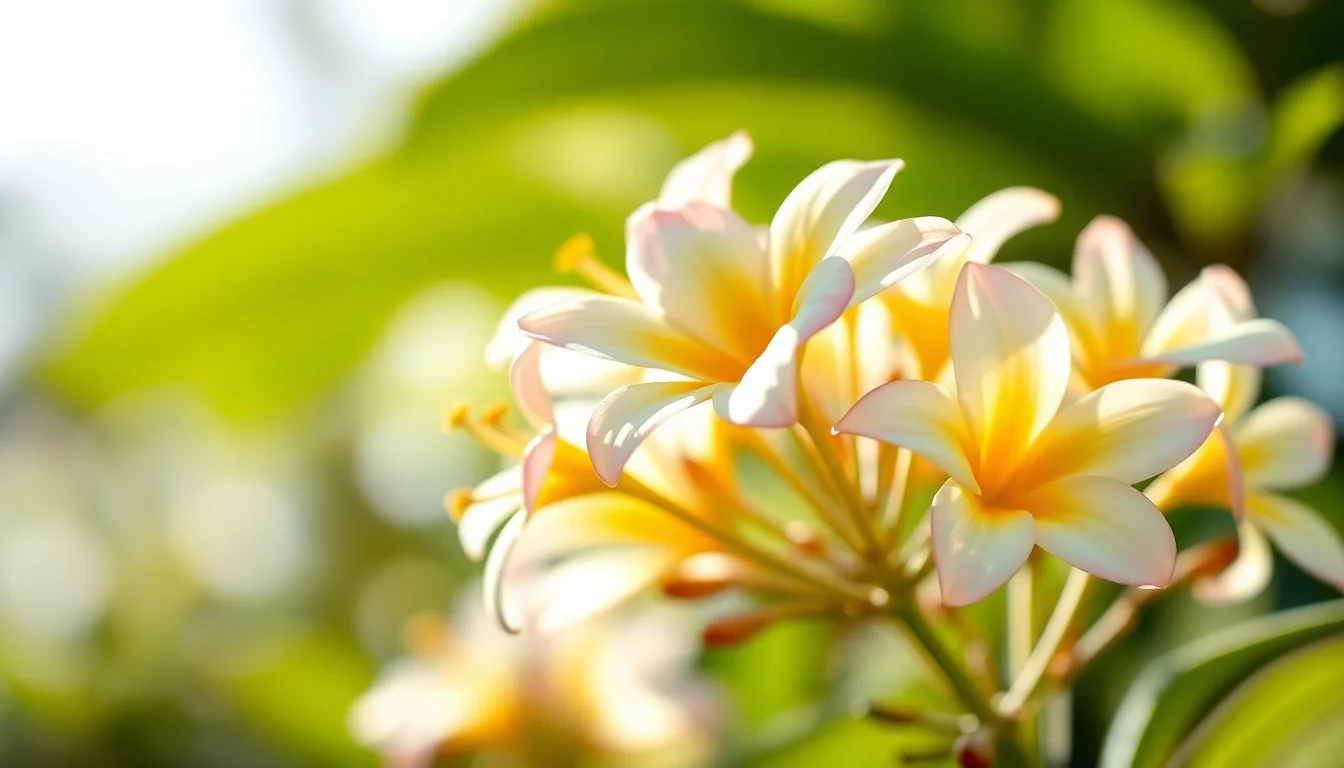
Cananga oil, often called ylang-ylang oil, is a luxurious floral essential oil extracted from tropical Cananga flowers. You’ll find it in high-end perfumes, scented candles, and aromatherapy products. Its intoxicating scent makes it popular in spa treatments and romantic fragrances. This oil matters because it’s one of perfumery’s most complex natural ingredients, offering layers of floral richness that synthetic fragrances struggle to replicate. Its mood-enhancing properties make it valuable in wellness products.
Safety Profile
GENERALLY SAFEWhat Does Cananga oil Smell Like?
Cananga oil unfolds like a tropical sunset – first bursts of fruity-banana top notes give way to an intense floral heart reminiscent of jasmine and neroli, with a narcotic, honeyed richness. The dry-down reveals surprising depth: creamy custard nuances meld with woody undertones and a faint rubbery edge that adds intrigue. Unlike single-note florals, cananga evolves continuously on skin, sometimes showing spicy carnation facets before settling into a warm, slightly animalic base that lingers for hours.
In Famous Fragrances
Fragrance associations may not reflect actual formulations.
Cananga oil provides the voluptuous floralcy that bridges the aldehydic sparkle and vanilla base, creating the perfume’s legendary ‘abstract flower’ effect.
Used alongside other white flowers to amplify their luminosity while adding a tropical lushness to the bouquet.
Cananga’s narcotic quality enhances the sandalwood-vanilla accord, creating the perfume’s hypnotic oriental character.
Provides natural depth to the white flower accord, preventing the composition from becoming too sharp or linear.
The oil’s animalic undertones amplify the perfume’s dark floral-chocolate accord, adding sensual warmth.
Chemistry, Properties & Perfumer Guide
The Chemistry
Cananga oil is a complex natural mixture containing over 100 identified compounds. The major constituents include benzyl acetate (floral), linalool (fresh), geranyl acetate (fruity), and sesquiterpenes like β-caryophyllene (woody). The oil’s composition varies significantly based on distillation time – the ‘extra’ grade (first fraction) contains more volatile esters while later fractions have heavier compounds. Unlike synthetic reconstructions, natural cananga contains trace sulfur compounds that contribute to its distinctive rubbery-leathery nuances. The oil is typically steam-distilled from freshly picked flowers, requiring about 100kg of blossoms per liter of oil.
Physical & Chemical Properties
| Appearance | Pale yellow to amber liquid |
|---|---|
| Density | 0.905-0.925 g/cm³ |
| Refractive Index | 1.495-1.505 |
| Optical Rotation | -15° to -30° |
| Solubility | 1:2 in 80% ethanol |
Key Constituent Properties
| Constituent | CAS | MW | BP °C | XLogP | Vapor P. |
|---|---|---|---|---|---|
| Benzyl acetate | 140-11-4 | 150.18 | 215 °C | 1.96 | 0.13 mmHg |
| Linalool | 78-70-6 | 154.25 | 198 °C | 2.7 | 0.16 mmHg |
| Geranyl acetate | 105-87-3 | 196.29 | 245 °C | 3.87 | 0.03 mmHg |
| β-Caryophyllene | 87-44-5 | 204.36 | 262 °C | 4.89 | 0.01 mmHg |
Perfumer Guide
| Application | Typical % | Range | Notes |
|---|---|---|---|
| Fine Fragrance | 1-5% | Up to 10% | Adds floral richness to bouquets |
| Soaps | 0.2-1% | Up to 2% | Use stabilized grades to prevent discoloration |
| Candles | 2-4% | Up to 6% | Excellent scent throw when blended with vanilla |
| Aromatherapy | 0.5-2% | Up to 3% | Often combined with citrus and spice oils |
Classic Accords
Tip: Add a touch of hedione (methyl dihydrojasmonate) to lift and extend cananga’s floral character without altering its profile.
Alternatives & Comparisons
From same plant but earlier distillation fractions; more intense top notes but less base depth. Use when brighter floralcy is needed.
Synthetic alternative for the waxy-floral aspects. Lacks complexity but provides stability in alkaline formulations.
Mimics some floral-sweet aspects while acting as a fixative. Useful when natural oil causes formulation issues.
Safety, Regulatory & Sustainability
⚠ Regulatory Disclaimer
General reference only. Consult current IFRA Standards Library before formulating.
IFRA Status
No IFRA restrictions. Considered safe at typical usage levels (IFRA 49th Amendment).
EU Allergen Declaration
Contains benzyl benzoate (CAS 120-51-4) which requires declaration above 0.001% in leave-on products.
GHS Classification
RIFM Assessment
RIFM assessment confirms safe use current practices (2015). No significant phototoxicity or sensitization concerns at recommended levels.
Sustainability
Cananga trees thrive in tropical climates without pesticides, making cultivation relatively sustainable. However, the labor-intensive harvest (flowers must be picked before sunrise) raises fair trade concerns. Most production comes from small farms in Comoros and Madagascar. Synthetic alternatives exist but lack the oil’s complexity. Steam distillation is energy-intensive but produces minimal waste as spent flowers can be composted.
Explore Cananga oil
Browse essential oils and aroma compounds.
Browse on iHerb →Affiliate disclosure: we may earn a small commission at no extra cost to you.
References
- Bradesi et al. (1997). Chemical composition of ylang-ylang oils. Journal of Essential Oil Research. DOI: 10.1080/10412905.1997.9700728
- IFRA Standards (2021). 49th Amendment. IFRA
- PubChem Compound Summary for Cananga oil PubChem
Data: PubChem (NIH), PubMed, RIFM, IFRA. Last reviewed: Apr 2026.
Report a data errorIngredient Data Sheet
CAS 68606-83-7Odor & Flavor
| Cananga oil is the total essential oil, water distilled from the flowers of Cananga odorata in the northern and western parts of Java (Indonesia). It has a harsh floral odor suggestive of ylang-ylang.📖 Fenaroli |
Regulatory Status
| IFRA Listed | Yes — see IFRA Standards for category limits⚖️ IFRA 51 |
| IOFI Classification | Natural📖 Fenaroli |
Physical data: PubChem (NIH/NLM), U.S. EPA CompTox Dashboard, EPA OPERA models, RDKit. Odor & flavor: Arctander (Perfume & Flavor Chemicals), Fenaroli's Handbook of Flavor Ingredients, Leffingwell. Thresholds: van Gemert (Compilations of Odour Threshold Values). Regulatory: IFRA Standards 51st, FEMA GRAS. Trade names: Surburg (Common Fragrance & Flavor Materials). All data compiled and cross-referenced for perfumertools.com.
Related Research
- Methyl phenylacetate (CAS 101-41-7) — Sweet Middle Note Fragrance Ingredient
- 1-Penten-3-one, 1-(4,6-dimethyl-3-cyclohexen-1-yl)-2-methyl-, (1E) (CAS 2248118-60-5) — Green Top to middle Note Fragrance Ingredient
- Cumin seed oil (CAS 8014-13-9) — Spicy Middle Note Fragrance Ingredient
- 2-Acetylthiazole (CAS 24295-03-02) — Sweet Heart Note Fragrance Ingredient