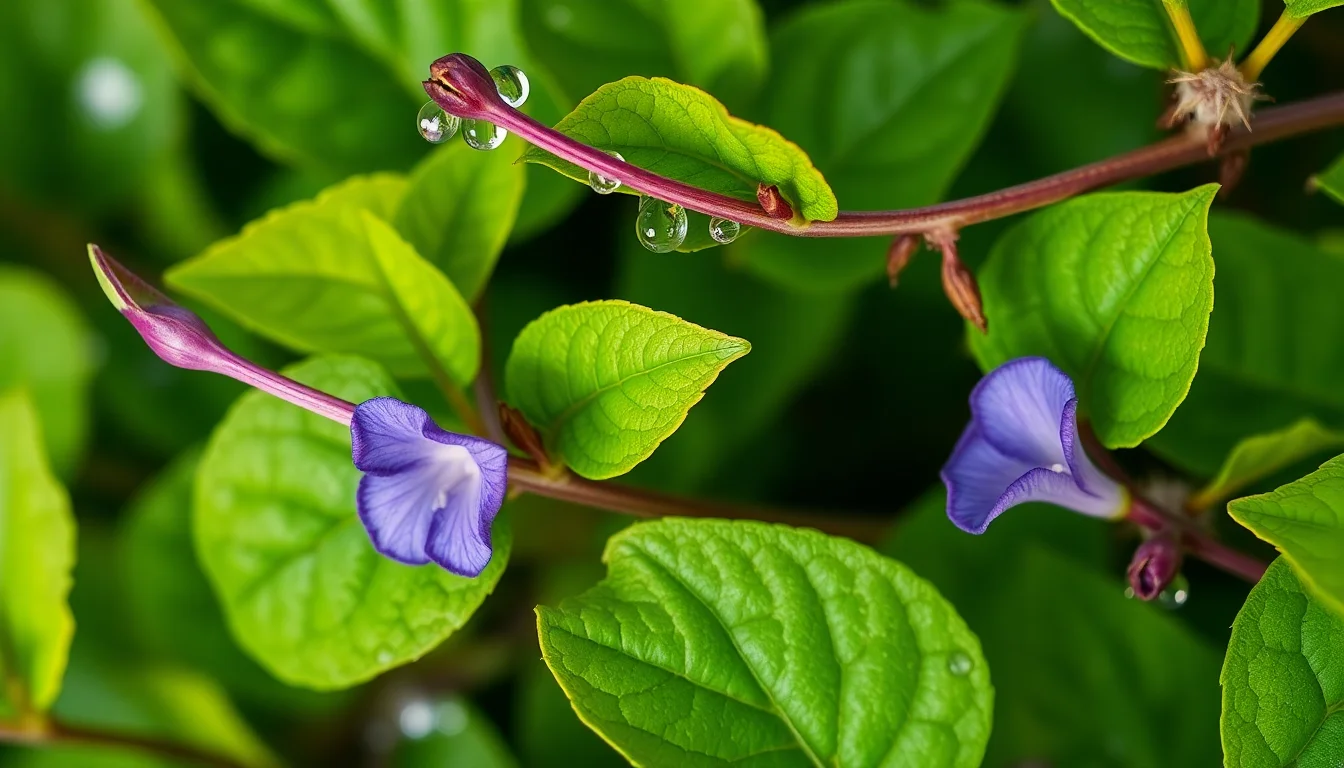
Violet Leaf Absolute (CAS 8024-08-06) — Green Heart Note Fragrance Ingredient
Violet Leaf Absolute
CAS 8024-08-06
What Is Violet Leaf Absolute?
Violet leaf absolute is a luxurious fragrance ingredient extracted from the leaves of violets. You’ll encounter its green, earthy aroma in high-end perfumes, especially in spring floral compositions. This essence captures the fresh-cut greenery scent of crushed violet leaves rather than the flower’s sweetness. It matters because it adds a sophisticated vegetal dimension to fragrances, creating crispness and depth that synthetic green notes can’t replicate. The absolute is prized for its ability to evoke dewy gardens and natural freshness in perfumery.
Safety Profile
USE WITH AWARENESSWhat Does Violet Leaf Absolute Smell Like?
Violet leaf absolute bursts with an intensely green, almost cucumber-like freshness that evolves into a deep, earthy heart. Imagine snapping a celery stalk underwater – that initial wet-green sharpness mellows into a velvety vegetal richness. The top notes carry a slightly metallic edge like rain on hot pavement, while the dry-down reveals subtle floral undertones hiding beneath layers of dewy chlorophyll. Unlike the sweet violet flower, this absolute maintains a stern, sophisticated green character throughout its evolution, finishing with a mossy, almost mushroom-like earthiness that lingers on skin for hours.
Scent Profile
In Famous Fragrances
Fragrance associations may not reflect actual formulations.
Used for its green counterpoint to the opulent floral bouquet, providing structural freshness against the heavy oriental base.
The violet leaf adds a crisp, modern edge to the powdery iris, creating a contemporary take on classic floralcy.
Provides the initial green burst that defines this fragrance’s fresh-cut lawn character before the sandalwood emerges.
Used to recreate the sensation of wet vegetation after rain, blending with ginger for an aquatic-green effect.
The leaf absolute grounds the sweet violet flower with its earthy realism in this historic composition.
Chemistry, Properties & Perfumer Guide
The Chemistry
Violet leaf absolute contains a complex mixture of fatty acid derivatives and green-leaf volatiles. Key components include 2,6-nonadienal (the ‘cucumber aldehyde’) and various hexenols that contribute to its characteristic green odor. The absolute is obtained through solvent extraction of Viola odorata leaves, yielding a viscous green-brown material. Unlike steam-distilled violet leaf oil, the absolute retains more of the plant’s natural complexity. Modern perfumers often supplement it with synthetic green notes like stemone for consistency, as natural yields vary significantly with harvest conditions and processing methods.
Chemical Composition
Physical & Chemical Properties
| Appearance | Dark green viscous liquid |
|---|---|
| Solubility | Soluble in alcohol, insoluble in water |
Key Constituent Properties
| Constituent | CAS | MW | BP °C | XLogP | Vapor P. |
|---|---|---|---|---|---|
| 2,6-Nonadienal | 557-48-2 | 138.21 | 187 °C | 2.8 | 0.2 mmHg |
| (Z)-3-Hexenol | 928-96-1 | 100.16 | 156 °C | 1.5 | 0.6 mmHg |
Perfumer Guide
| Application | Typical % | Range | Notes |
|---|---|---|---|
| Fine Fragrance | 0.5-2% | Up to 5% | Provides green freshness |
| Soap | 0.1-0.5% | Up to 1% | Use sparingly due to intensity |
| Candles | 0.2-1% | Up to 2% | Creates naturalistic green effects |
Classic Accords
Tip: Balance with ionones to create the full violet flower-and-leaf effect without overwhelming sweetness.
Alternatives & Comparisons
Synthetic green note that mimics violet leaf’s wet character but lacks the earthy depth.
Provides green freshness with better stability in citrus-heavy compositions.
Steam-distilled version with brighter top notes but less body than the absolute.
Safety, Regulatory & Sustainability
⚠ Regulatory Disclaimer
General reference only. IFRA, REACH, EU Cosmetics Regulation standards update periodically. Consult current IFRA Standards Library before formulating. Not legal or regulatory advice.
IFRA Status
No restrictions under IFRA standards. Contains naturally occurring allergens but below declaration thresholds.
EU Allergen Declaration
Contains trace amounts of benzyl alcohol and cinnamyl alcohol which require declaration above 0.001% in leave-on products.
GHS Classification
RIFM Assessment
RIFM assessment confirms safe use at current industry levels with no sensitization concerns.
Sustainability
Violet leaf absolute is resource-intensive to produce, requiring approximately 1,000 kg of leaves per kg of absolute. Most production comes from France and Egypt, where violets are grown specifically for perfumery. Some houses are developing molecular distillation techniques to reduce solvent use in extraction. Synthetic alternatives exist but lack the natural complexity. Ethical sourcing is important as wild violet populations are protected in some regions.
Explore Violet Leaf Absolute
Browse essential oils and aroma compounds.
Browse on iHerb →Affiliate disclosure: we may earn a small commission at no extra cost to you.
References
- Buckle J. (2015). Clinical Aromatherapy. Elsevier. ISBN 9780702054402
- Arctander S. (1960). Perfume and Flavor Materials of Natural Origin. OCLC 469553
Data: PubChem (NIH), PubMed, RIFM, IFRA. Last reviewed: Mar 2026.
Report a data error