Osmanthus Absolute (CAS 68917-05-05) — Floral Heart Note Fragrance Ingredient
Osmanthus Absolute
CAS 68917-05-05
What Is Osmanthus Absolute?
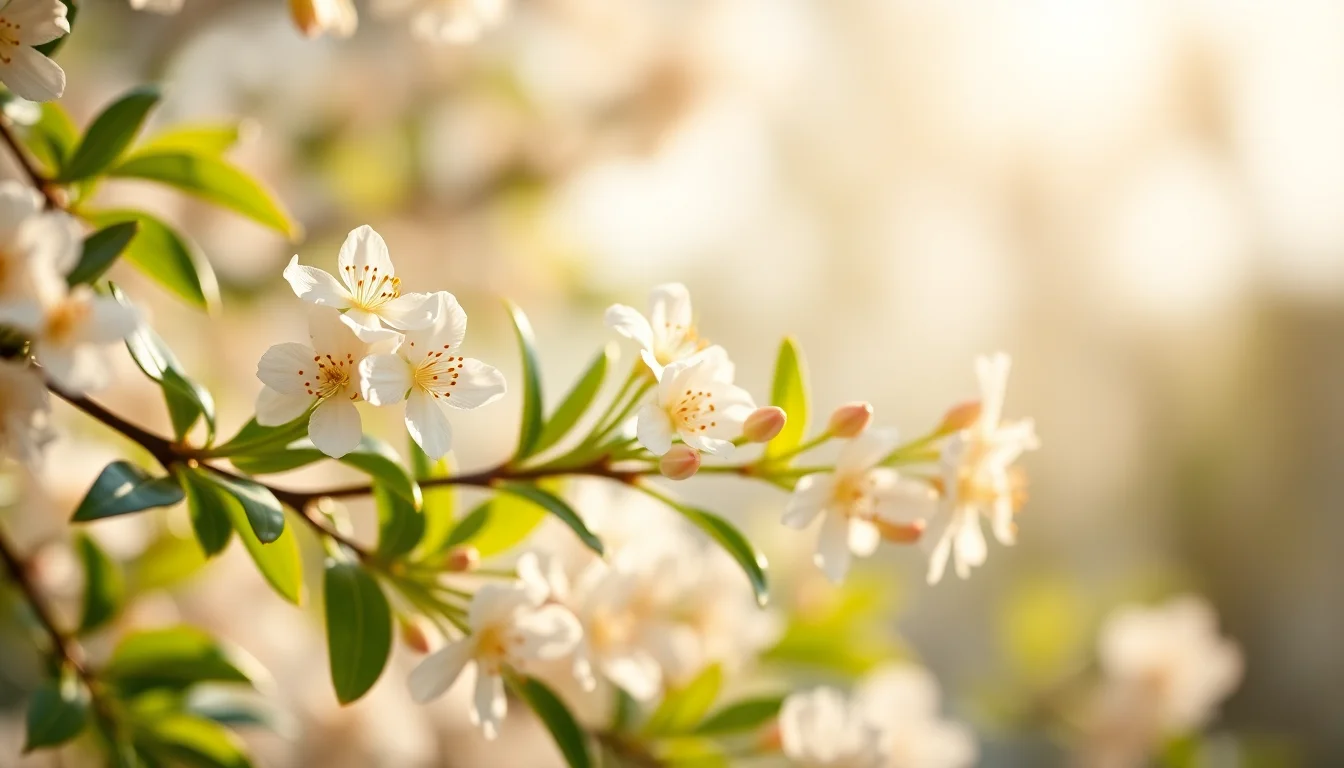
Osmanthus absolute is a luxurious floral extract derived from the fragrant blossoms of the Osmanthus fragrans tree. You’ll encounter its apricot-like aroma in high-end perfumes, teas, and Asian desserts. This rare ingredient matters because it bridges floral and fruity accords with unparalleled complexity, creating a signature warmth in fragrances that synthetic alternatives can’t fully replicate.
Safety Profile
GENERALLY SAFEWhat Does Osmanthus Absolute Smell Like?
Osmanthus absolute unfolds like a sun-warmed orchard – initial bursts of ripe apricot flesh and leathery depth give way to a heart of honeyed florals with whispers of black tea. The dry-down reveals a sophisticated leather-tobacco nuance wrapped in velvety ionones. Unlike simpler florals, it maintains dimensional shifts between fruity, floral, and animalic facets for hours, with a sultry sweetness reminiscent of dried peaches macerated in jasmine-infused brandy.
Scent Profile
In Famous Fragrances
Fragrance associations may not reflect actual formulations.
Showcases osmanthus’ full spectrum from juicy fruit to suede-like depths, amplified by crisp citrus and woody vetiver for a modern chypre interpretation.
Uses osmanthus as a bridge between spicy cardamom and clean musk, creating a luminous skin-scent effect with exceptional longevity.
Highlights osmanthus’ leathery facets with birch tar and incense, evoking ancient Chinese scrolls stored in sandalwood chests.
Pairs osmanthus’ tobacco nuances with indolic jasmine for a provocative take on smoky floral accords.
Blends osmanthus with hemlock and violet for a cool, mysterious floral with intriguing metallic undertones.
Chemistry, Properties & Perfumer Guide
The Chemistry
Osmanthus absolute contains over 100 volatile compounds, with gamma-decalactone (peach-like) and ionones (violet-like) as key odorants. The unique profile arises from trace damascones, megastigmatrienones, and phenylpropanoids. Extraction typically involves hexane or supercritical CO2 to preserve delicate top notes. Chinese cultivars show higher linalool content, while Japanese varieties contain more methyl anthranilate. Recent GC-MS studies identified novel C13-norisoprenoids contributing to its leathery depth. The absolute’s complexity makes full synthetic reconstruction challenging, though ionone-rich fractions can approximate certain facets.
Chemical Composition
Physical & Chemical Properties
| Appearance | Orange-brown viscous liquid |
|---|---|
| Refractive Index | 1.488-1.495 |
| Specific Gravity | 0.970-0.995 |
| Solubility | Soluble in alcohol, insoluble in water |
Key Constituent Properties
| Constituent | CAS | MW | BP °C | XLogP | Vapor P. |
|---|---|---|---|---|---|
| β-Ionone | 79-77-6 | 192.30 | 266 | 3.7 | 0.002 mmHg |
| γ-Decalactone | 706-14-9 | 170.25 | 281 | 3.4 | 0.001 mmHg |
| Linalool | 78-70-6 | 154.25 | 198 | 2.7 | 0.16 mmHg |
Perfumer Guide
| Application | Typical % | Range | Notes |
|---|---|---|---|
| Fine Fragrance | 0.5-2% | Up to 5% | Adds luminous fruity-floral depth |
| Cosmetics | 0.1-0.5% | Up to 1% | Used sparingly in luxury skincare |
| Flavors | 10-50 ppm | Up to 100 ppm | Premium tea and dessert applications |
Classic Accords
Tip: Bloom osmanthus in aged sandalwood oil overnight to enhance its leathery facets before blending.
Alternatives & Comparisons
Synthetic apricot-ionone base with better stability for functional fragrances, lacks osmanthus’ leathery depth.
Reconstituted absolute using ionone fractions and lactones, more cost-effective for mainstream applications.
Safety, Regulatory & Sustainability
⚠ Regulatory Disclaimer
General reference only. IFRA, REACH, EU Cosmetics Regulation standards update periodically. Consult current IFRA Standards Library before formulating. Not legal or regulatory advice.
IFRA Status
No IFRA restrictions (Category 4). Contains trace amounts of methyl eugenol (<0.1%) well below restriction limits.
EU Allergen Declaration
Contains linalool (≤1.5%), must be declared above 0.001% in leave-on products.
GHS Classification
RIFM Assessment
RIFM evaluation confirms safe use at current industry levels, with complete dermal sensitization dataset available.
Sustainability
Wild osmanthus harvesting in China’s Guangxi province follows traditional methods with minimal ecological impact. CO2 extraction now reduces solvent waste compared to traditional methods. Ethical sourcing initiatives help protect ancient groves. Synthetic alternatives reduce pressure on wild stocks while allowing broader access to this precious material.
Explore Osmanthus Absolute
Browse essential oils and aroma compounds.
Browse on iHerb →Affiliate disclosure: we may earn a small commission at no extra cost to you.
References
- Zhou et al. (2016). Characterization of the Key Aroma Compounds in Osmanthus fragrans Tea. Journal of Agricultural and Food Chemistry. PMID 27120215
- Sell C. (2019). The Chemistry of Fragrances. Royal Society of Chemistry. DOI 10.1039/9781788012638
Data: PubChem (NIH), PubMed, RIFM, IFRA. Last reviewed: Mar 2026.
Report a data errorRelated Research
- 9,10-Anthracenedione, 1,4-bis[(2,4,6-trimethylphenyl)amino]- (CAS 116-75-6) — Citrus N/A Note Fragrance Ingredient
- Ocimenyl acetate (CAS 72214-23-4) — Green Top-middle Note Fragrance Ingredient
- 2-methyl-1-(2-(5-(p-tolyl)-1H-imidazol-2-yl)piperidin-1-yl)butan-1-one (CAS 27252-75-1) — Citrus Unknown Note Fragrance Ingredient
- 2-Isopropyl-p-cresol (CAS 4427-56-9) — Woody Middle Note Fragrance Ingredient