Tuberose Absolute (CAS 8024-55-3) — Floral Heart Note Fragrance Ingredient
Tuberose Absolute
CAS 8024-55-3
What Is Tuberose Absolute?
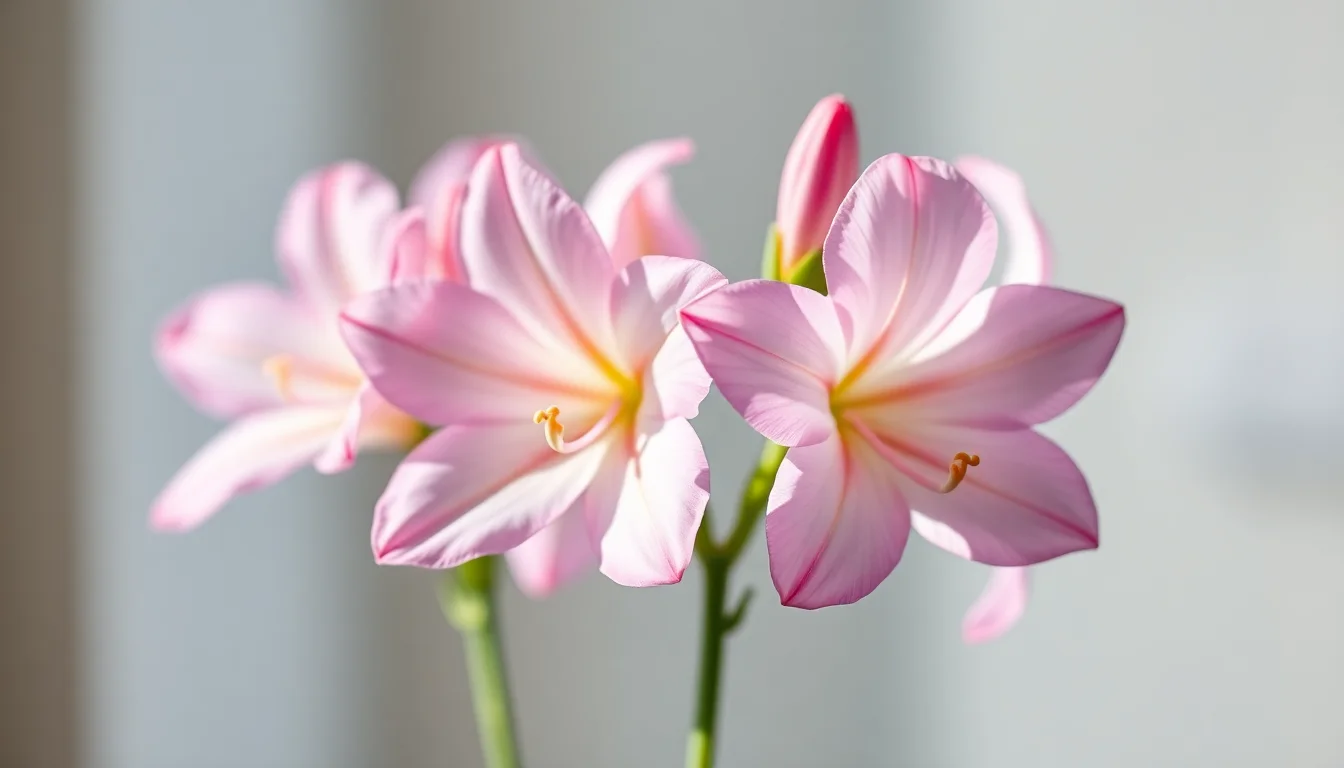
Tuberose absolute is a luxurious floral extract prized in perfumery, derived from the night-blooming Polianthes tuberosa flower. You’ll encounter its heady aroma in high-end perfumes, especially white floral compositions. This ingredient matters because it captures one of nature’s most intoxicating scents – a rare combination of creamy sweetness and green freshness that perfumers have treasured for centuries.
Safety Profile
USE WITH AWARENESS
What Does Tuberose Absolute Smell Like?
Tuberose absolute unfolds like a moonlit garden – an initial burst of honeyed sweetness quickly gives way to complex layers. Imagine ripe peaches dipped in coconut milk, underscored by green stems and a narcotic indolic depth. The heart reveals a buttery, almost rubbery character that evolves into a warm, animalic base. Unlike other white florals, tuberose maintains remarkable tenacity on skin, drying down to a sensual blend of waxy petals and ambery musk that lingers for hours.
Scent Profile
In Famous Fragrances
Fragrance associations may not reflect actual formulations.
The quintessential tuberose fragrance, using the absolute to create an opulent, heady floral bomb. Tuberose provides the creamy heart that balances orange blossom’s freshness and gardenia’s waxiness.
Dominique Ropion highlights tuberose’s green facets with eucalyptus, then amplifies its voluptuousness with coconut and musk. The absolute’s indolic quality creates the ‘carnal’ effect.
A fresher interpretation where tuberose absolute is softened by orange blossom and iris. The perfumer uses the material’s honeyed aspects without overwhelming indoles.
Christopher Sheldrake contrasts tuberose’s sweetness with camphorous menthol, showcasing the absolute’s polarizing rubbery facets. The material’s complexity supports the ‘criminal’ narrative.
A study in white floral harmony where tuberose absolute provides body and tenacity to balance gardenia’s fleeting nature. The pairing creates a seamless floral bouquet.
Chemistry, Properties & Perfumer Guide
The Chemistry
Tuberose absolute is obtained through solvent extraction of Polianthes tuberosa flowers, yielding a complex mixture of over 300 compounds. Key constituents include benzyl benzoate (up to 40%), methyl benzoate, and various monoterpenols. The absolute’s characteristic indolic notes come from trace amounts of skatole and indole. Unlike steam-distilled tuberose oil, the absolute retains heavier molecules like fatty acid esters that contribute to its creamy texture. Modern production often involves enfleurage replacement techniques using hexane or supercritical CO2 extraction to capture the flower’s full spectrum.
Chemical Composition
Physical & Chemical Properties
| Appearance | Dark orange-brown viscous liquid |
|---|---|
| Flash Point | >100 °C |
| Solubility | Soluble in alcohol, insoluble in water |
Key Constituent Properties
| Constituent | CAS | MW | BP °C | XLogP | Vapor P. |
|---|---|---|---|---|---|
| Benzyl Benzoate | 120-51-4 | 212.25 | 323 °C | 2.7 | 0.0002 mmHg |
| Methyl Benzoate | 93-58-3 | 136.15 | 199 °C | 2.1 | 0.3 mmHg |
Perfumer Guide
| Application | Typical % | Range | Notes |
|---|---|---|---|
| Fine Fragrance | 0.5-2% | Up to 5% | Powerful floral modifier |
| Candles | 1-3% | Up to 8% | Provides floral depth |
| Soaps | 0.1-0.5% | Up to 1% | Limited by indole oxidation |
Classic Accords
+ Vanilla + Sandalwood = Oriental Floral
+ Orange Blossom + Ylang-Ylang = Tropical Floral
Tip: Balance tuberose’s indolic aspects with clean musks or citrus top notes to prevent cloying effects.
Alternatives & Comparisons
A cleaner, greener profile without solvent residues. Preferred for transparent floral compositions where the absolute’s heaviness would overwhelm.
Offers similar creamy floralcy with less indolic depth. Use when a softer white floral effect is desired.
Synthetic alternative providing the floralcy without allergens. Useful for mass-market applications requiring IFRA compliance.
Safety, Regulatory & Sustainability
⚠ Regulatory Disclaimer
General reference only. IFRA, REACH, EU Cosmetics Regulation standards update periodically. Consult current IFRA Standards Library before formulating. Not legal or regulatory advice.
IFRA Status
IFRA 49th Amendment restricts benzyl benzoate to 6% in leave-on products. Tuberose absolute typically contains 30-40% benzyl benzoate, limiting practical usage to ~15% of fragrance concentrate.
EU Allergen Declaration
Contains benzyl benzoate (CAS 120-51-4) which requires declaration above 0.001% in leave-on products.
GHS Classification
H317 May cause allergic skin reaction
RIFM Assessment
RIFM assessment confirms safe use at current industry levels, noting potential for sensitization in susceptible individuals.
Sustainability
Tuberose cultivation is water-intensive, with most production concentrated in India and Egypt. Sustainable sourcing initiatives focus on reducing pesticide use and improving farmer livelihoods. CO2 extraction methods reduce solvent waste compared to traditional absolutes. Some perfumers blend natural tuberose with synthetic reconstructions to reduce environmental impact while maintaining olfactory character.
Explore Tuberose Absolute
Browse essential oils and aroma compounds.
Affiliate disclosure: we may earn a small commission at no extra cost to you.
Industry & Science Data
References
- Kaiser, R. (2006). Meaningful Scents Around the World. Wiley-VCH. ISBN 978-3-527-30662-1
- IFRA Standards Library, 49th Amendment IFRA 49
- Bickers et al. (2003). Fragrance contact allergy. Contact Dermatitis. PMID 14641113
Data: PubChem (NIH), PubMed, RIFM, IFRA. Last reviewed: Mar 2026.
Ingredient Data Sheet
CAS 8024-55-3Physical data: PubChem (NIH/NLM), U.S. EPA CompTox Dashboard, EPA OPERA models, RDKit. Odor & flavor: Arctander (Perfume & Flavor Chemicals), Fenaroli's Handbook of Flavor Ingredients, Leffingwell. Thresholds: van Gemert (Compilations of Odour Threshold Values). Regulatory: IFRA Standards 51st, FEMA GRAS. Trade names: Surburg (Common Fragrance & Flavor Materials). All data compiled and cross-referenced for perfumertools.com.
Related Research
- 3,5,6,6-Tetramethyl-4-methyleneheptan-2-one (CAS 81786-75-6) — Woody Middle to base Note Fragrance Ingredient
- 6,10-Dimethyl-5,9-undecadien-2-one (CAS 3796-70-1) — Woody Top to Middle Note Fragrance Ingredient
- N-Furfurylpyrrole (CAS 1438-94-4) — Balsamic Heart Note Fragrance Ingredient
- 2-trans-6-trans-Octadienal (CAS 56767-18-1) — Green Top Note Fragrance Ingredient


![Ethyl 2-[[[2,4(or3,5)-dimethyl-3-cyclohexen-1-yl]methyl]amino]benzoate (CAS 68228-09-01) — Woody Middle Note Fragrance Ingredient](https://thegoodscents.company/wp-content/uploads/2026/04/ethyl-2-2-4-1-768x439.webp)
![6,6-Dimethylbicyclo[3.1.1]hept-2-ene-2-propionaldehyde (CAS 33885-51-7) — Woody Top to middle Note Fragrance Ingredient](https://thegoodscents.company/wp-content/uploads/2026/04/6-6-dimethylbicyclo-3-1-1-hept-2-ene-2-propionaldehyde-1-768x439.webp)