Para-anisaldehyde (CAS 0123-11-5) — Floral Heart Note Fragrance Ingredient
Para-anisaldehyde
CAS 0123-11-5
What Is Para-anisaldehyde?
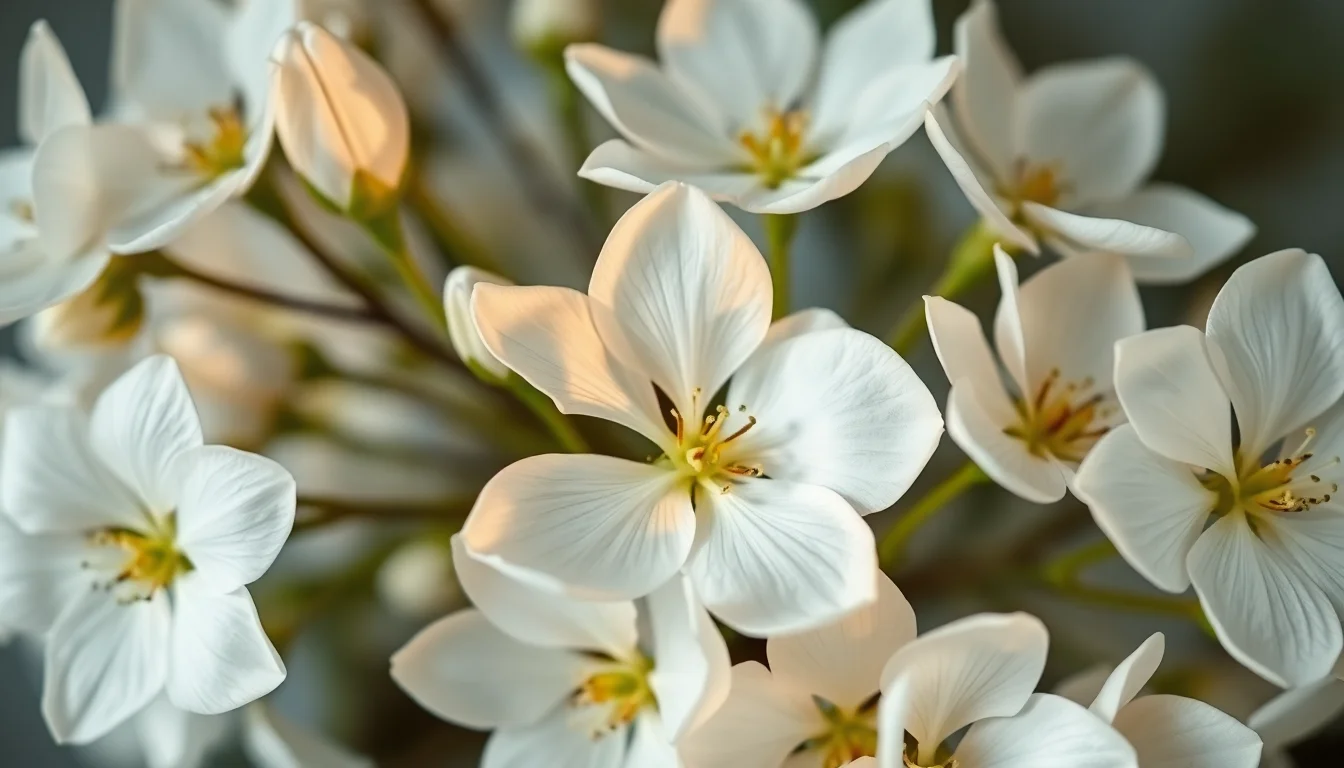
Para-anisaldehyde is a synthetic floral fragrance ingredient commonly found in perfumes, soaps, and cosmetics. It delivers a sweet, powdery scent reminiscent of hawthorn blossoms and vanilla. This versatile molecule helps create delicate floral bouquets and adds warmth to oriental compositions.
Safety Profile
GENERALLY SAFEWhat Does Para-anisaldehyde Smell Like?
Para-anisaldehyde unfolds with an initial burst of sweet, powdery florals evoking hawthorn blossoms dipped in vanilla syrup. The heart develops a delicate almond-like nuance with hints of heliotrope, while the dry-down reveals a soft coumarinic warmth reminiscent of freshly mown hay. Its tenacious floralcy persists subtly on skin, blending seamlessly with other white florals.
Scent Profile
In Famous Fragrances
Fragrance associations may not reflect actual formulations.
Used as a key heliotropin modifier in this classic powdery floral, enhancing the vanilla-almond fantasy with its sweet, persistent floralcy.
Amplifies the tuberose-jasmine heart with its warm, narcotic floral character, contributing to the fragrance’s legendary sillage.
Chemistry, Properties & Perfumer Guide
The Chemistry
Para-anisaldehyde is an aromatic aldehyde with a methoxy group para to the formyl group. Industrially produced via oxidation of p-cresyl methyl ether or direct formylation of anisole. Its planar structure allows excellent diffusion while the aldehyde group provides reactivity for Schiff base formation in perfumery.
Physical & Chemical Properties
| Boiling Point | 248 °C |
|---|---|
| Density | 1.12 g/cm³ |
Perfumer Guide
| Application | Typical % | Range | Notes |
|---|---|---|---|
| Fine Fragrance | 1-3% | Up to 5% | Floral modifier |
| Soaps | 0.5-1% | Up to 2% | Powdery floral effect |
Classic Accords
Tip: Stabilize in ethanol before adding to aqueous systems to prevent polymerization.
Alternatives & Comparisons
For stronger powdery effects without the almond nuance. More restricted by IFRA.
Safety, Regulatory & Sustainability
⚠ Regulatory Disclaimer
General reference only. IFRA, REACH, EU Cosmetics Regulation standards update periodically. Consult current IFRA Standards Library before formulating. Not legal or regulatory advice.
IFRA Status
No restrictions under IFRA 49th Amendment.
EU Allergen Declaration
Not listed in EU allergen regulation (EC) No 1223/2009.
GHS Classification
RIFM Assessment
RIFM evaluation complete – safe at current usage levels.
Sustainability
Synthesized from petrochemical precursors with moderate environmental impact. No known natural equivalent exists. Manufacturing processes continue to improve energy efficiency.
Explore Para-anisaldehyde
Browse essential oils and aroma compounds.
Browse on iHerb →Affiliate disclosure: we may earn a small commission at no extra cost to you.
References
- Arctander S. (1969). Perfume and Flavor Chemicals. Montclair.
Data: PubChem (NIH), PubMed, RIFM, IFRA. Last reviewed: Mar 2026.
Report a data errorRelated Research
- 6-Methyl-7oxa-1-thia-4-azaspiro(4,4)nonane (CAS 165261-13-2) — Musky Base Note Fragrance Ingredient
- Alcohols, C9-11-iso-, C10-rich (CAS 68526-85-2) — Citrus Base Note Fragrance Ingredient
- p-Tolyl 3-methylbutyrate (CAS 55066-56-3) — Sweet Top to Heart Note Fragrance Ingredient
- Sarcocaulon mossamedense resinoid (CAS 1365254-19-8) — Woody Base Note Fragrance Ingredient


![.alpha.,.alpha.,6,6-Tetramethylbicyclo[3.1.1]hept-2-ene-2-propionaldehyde (CAS 33885-52-8) — Woody Middle to base Note Fragrance Ingredient](https://thegoodscents.company/wp-content/uploads/2026/04/alpha-alpha-6-6-tetramethylbicyclo-3-1-1-hept-2-ene-2-propi-1-768x439.webp)
![Benzoic acid, 2-[(2-phenylethylidene)amino]-, methyl ester (CAS 67785-76-6) — Balsamic Middle to base Note Fragrance Ingredient](https://thegoodscents.company/wp-content/uploads/2026/04/benzoic-acid-2-1-7-768x439.webp)