Sarcocaulon mossamedense resinoid (CAS 1365254-19-8) — Woody Base Note Fragrance Ingredient
Sarcocaulon mossamedense resinoid
CAS 1365254-19-8
What Is Sarcocaulon mossamedense resinoid?
Sarcocaulon mossamedense resinoid is a rare natural extract from a succulent plant native to southern Africa. It’s occasionally used in niche perfumery for its unique aromatic profile. This ingredient matters because it offers perfumers an exotic, hard-to-replicate character that adds depth and intrigue to fragrances, particularly those aiming for a desert or arid landscape aesthetic.
Safety Profile
USE WITH AWARENESSWhat Does Sarcocaulon mossamedense resinoid Smell Like?
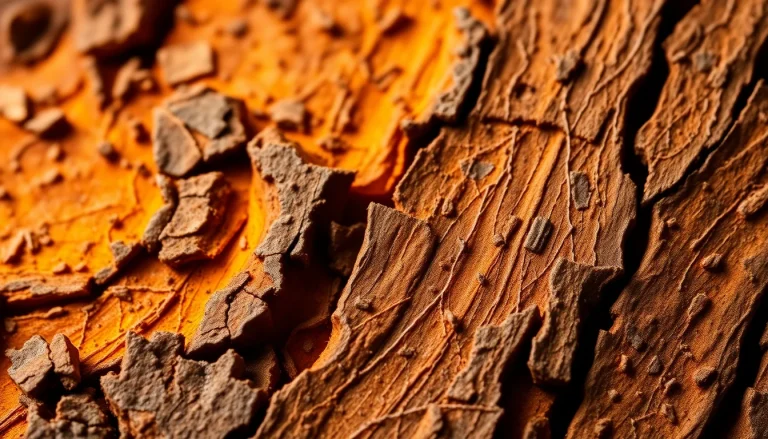
The resinoid exudes a complex aroma reminiscent of sun-baked desert rocks with subtle honeyed undertones. Initially presenting a dry, slightly bitter herbal character, it evolves into a warm amber-like heart with whispers of dried figs and a faint smoky leather nuance. The dry-down reveals a persistent mineralic quality that lingers like the memory of rain on parched earth.
In Famous Fragrances
Fragrance associations may not reflect actual formulations.
Used to create the illusion of scorched earth and rare desert botanicals, blending with myrrh and labdanum to form an intensely evocative dry landscape accord.
Provides a subtle mineralic counterpoint to the aquatic elements, adding depth without weight to this unconventional marine-oud composition.
Chemistry, Properties & Perfumer Guide
The Chemistry
Sarcocaulon mossamedense resinoid contains a complex mixture of triterpenoids, phenolic compounds, and aromatic resins characteristic of succulent plants adapted to arid environments. The exact chemical profile varies by harvest conditions and plant age. Extraction typically involves hydrocarbon solvents to obtain the resinoid, which is then carefully filtered to remove plant debris while preserving volatile aromatic fractions.
Physical & Chemical Properties
| Appearance | Viscous dark brown resin |
|---|---|
| Solubility | Soluble in ethanol and fixed oils |
Perfumer Guide
| Application | Typical % | Range | Notes |
|---|---|---|---|
| Fine Fragrance | 0.1-0.5% | Up to 1% | Used as special effect material |
| Home Fragrance | 0.05-0.2% | Up to 0.5% | Adds depth to diffuser blends |
Classic Accords
Tip: Use sparingly with complementary dry materials to avoid overwhelming compositions.
Alternatives & Comparisons
Offers similar warm resinous qualities but with more pronounced honey and leather notes, lacking the mineralic aspect.
Safety, Regulatory & Sustainability
⚠ Regulatory Disclaimer
General reference only. Consult current IFRA Standards Library before formulating.
IFRA Status
No specific IFRA restrictions. General guidelines for resinoids apply.
RIFM Assessment
Not currently assessed by RIFM due to limited commercial use.
Sustainability
Wild harvesting of Sarcocaulon species requires careful management to prevent over-collection. Some producers are developing sustainable cultivation methods. The resinoid yield per plant is low, making synthetic alternatives potentially more environmentally sustainable if they can replicate the complex natural profile.
Explore Sarcocaulon mossamedense resinoid
Browse essential oils and aroma compounds.
Browse on iHerb →Affiliate disclosure: we may earn a small commission at no extra cost to you.
References
- Van Wyk & Gericke (2000). People’s Plants. Briza Publications.
Data: PubChem (NIH), PubMed, RIFM, IFRA. Last reviewed: Apr 2026.
Report a data errorIngredient Data Sheet
CAS 1365254-19-8Physical data: PubChem (NIH/NLM), U.S. EPA CompTox Dashboard, EPA OPERA models, RDKit. Odor & flavor: Arctander (Perfume & Flavor Chemicals), Fenaroli's Handbook of Flavor Ingredients, Leffingwell. Thresholds: van Gemert (Compilations of Odour Threshold Values). Regulatory: IFRA Standards 51st, FEMA GRAS. Trade names: Surburg (Common Fragrance & Flavor Materials). All data compiled and cross-referenced for perfumertools.com.
Related Research
- Balm leaf oil (CAS 8014-71-9) — Citrus Top to middle Note Fragrance Ingredient
- Propanoic acid, 2-hydroxy-, butyl ester, (2S)- (CAS 34451-19-9) — Citrus Top Note Fragrance Ingredient
- 2-(Tetrahydro-5-methyl-5-vinyl-2-furyl)propan-2-ol (CAS 60047-17-8) — Woody Middle Note Fragrance Ingredient
- alpha-Terpineol acetate (CAS 80-26-2) — Citrus Top to Middle Note Fragrance Ingredient