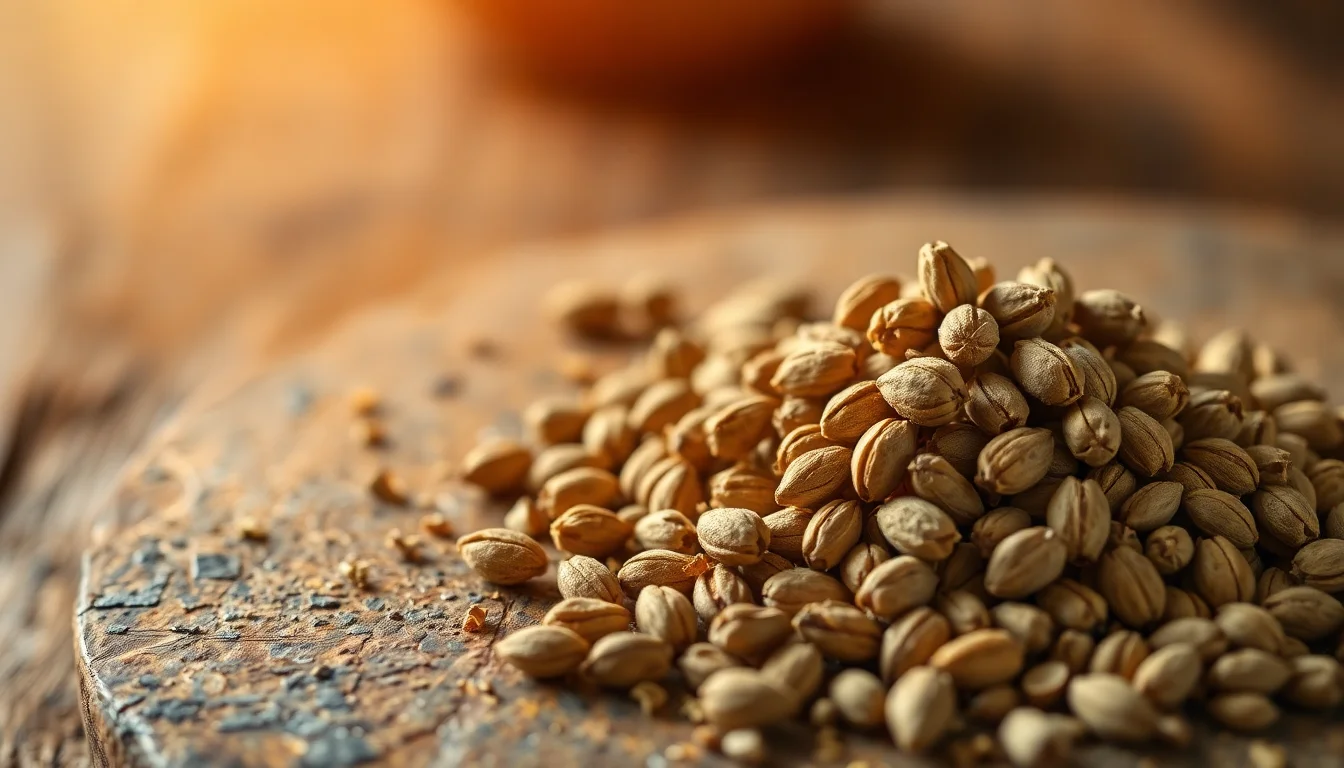
Cardamom Oil (CAS 8000-66-6) — Spicy Heart Note Fragrance Ingredient
Cardamom Oil
CAS 8000-66-6
What Is Cardamom Oil?
Cardamom oil is a warm, spicy essential oil extracted from the seeds of the Elettaria cardamomum plant. You’ll encounter it in chai tea, Scandinavian pastries, and high-end perfumes. This oil matters because it bridges culinary and fragrance worlds, adding a sophisticated warmth that’s instantly recognizable yet versatile enough for both masculine and feminine compositions.
Safety Profile
USE WITH AWARENESS
What Does Cardamom Oil Smell Like?
Cardamom oil bursts with a complex aromatic profile – initial sharp citrusy top notes of lemon peel give way to the heart’s sweet-spicy warmth reminiscent of freshly ground pepper and eucalyptus. The dry-down reveals woody undertones with a camphoraceous edge. Unlike synthetic versions, natural cardamom oil has a slightly smoky depth that lingers like the memory of incense in an ancient spice market.
Scent Profile
In Famous Fragrances
Fragrance associations may not reflect actual formulations.
Jean-Claude Ellena uses cardamom’s citrus-spicy duality to create shimmering Mediterranean heat. The oil’s green facets blend with fig leaves while its warmth anchors the citrus top notes.
Cardamom’s spicy-sweet character forms a bridge between the citrus opening and vanilla-amber base, creating a gourmand oriental effect without being cloying.
Chemistry, Properties & Perfumer Guide
The Chemistry
Cardamom oil is chemically complex, containing over 30 identified compounds. The primary constituent is 1,8-cineole (20-50%), giving its characteristic eucalyptus note. α-Terpinyl acetate (25-40%) contributes floral-sweet aspects, while limonene (2-14%) provides citrus freshness. The oil’s variability depends on growing conditions – Guatemalan cardamom tends toward higher cineole content while Indian varieties show more terpinyl acetate. Steam distillation of crushed seeds yields about 3-8% essential oil, with CO2 extraction producing a more complete aromatic profile.
Chemical Composition
Physical & Chemical Properties
| Appearance | Colorless to pale yellow liquid |
|---|---|
| Boiling Point | 176-177 °C (major components) |
| Density | 0.92-0.94 g/cm³ |
| Refractive Index | 1.462-1.468 |
| Optical Rotation | +22° to +44° |
Key Constituent Properties
| Constituent | CAS | MW | BP °C | XLogP | Vapor P. |
|---|---|---|---|---|---|
| 1,8-Cineole | 470-82-6 | 154.25 | 176 | 2.7 | 1.9 mmHg |
| α-Terpinyl acetate | 80-26-2 | 196.29 | 220 | 3.4 | 0.1 mmHg |
Perfumer Guide
| Application | Typical % | Range | Notes |
|---|---|---|---|
| Fine Fragrance | 0.5-2% | Up to 5% | Adds spicy complexity |
| Gourmand Scents | 1-3% | Up to 8% | Enhances vanilla/amber bases |
Classic Accords
+ Citrus + Cedar = Modern Cologne
+ Rose + Oud = Oriental Luxury
Tip: Add cardamom oil late in blending to preserve its bright top notes – it can become muted if added to high-alcohol bases too early.
Alternatives & Comparisons
More complete aromatic profile with deeper woody notes. Preferred for natural formulations but darker in color.
Safety, Regulatory & Sustainability
⚠ Regulatory Disclaimer
General reference only. IFRA, REACH, EU Cosmetics Regulation standards update periodically. Consult current IFRA Standards Library before formulating. Not legal or regulatory advice.
IFRA Status
No restrictions under IFRA 51st Amendment. Classified as a potential sensitizer at high concentrations (>5%).
EU Allergen Declaration
Contains limonene (≥1%) and linalool (≥1%) which must be declared under EU regulation 1223/2009.
GHS Classification
H317 May cause allergic skin reaction
RIFM Assessment
RIFM assessment concludes safe use at current levels in fragrances. No phototoxicity concerns.
Sustainability
Cardamom cultivation is generally sustainable, with most commercial production coming from smallholder farms in Guatemala. However, climate change impacts on growing regions and volatile market prices create supply chain vulnerabilities. CO2 extraction has higher environmental impact than steam distillation but yields more material per plant.
Explore Cardamom Oil
Browse essential oils and aroma compounds.
Affiliate disclosure: we may earn a small commission at no extra cost to you.
Industry & Science Data
References
- Ashokkumar et al. (2020). Botany, traditional uses, phytochemistry and biological activities of cardamom. Industrial Crops and Products. DOI: 10.1016/j.indcrop.2020.112571
Data: PubChem (NIH), PubMed, RIFM, IFRA. Last reviewed: Mar 2026.
Ingredient Data Sheet
CAS 8000-66-6Odor & Flavor
| The volatile oil is distilled from the comminuted seeds with an average yield of 5%. The seeds are enclosed in husks (hulls) and removed from the odorless hulls shortly before distillation, because the essential oil is extremely volatile and can considerably reduce the yields. The oil from “green” types of cardamom smells more of cineole than does an oil from the bleached or pale-yellow, straw-colored cardamom (fruits). The oil has an aromatic, penetrating, somewhat camphoraceous odor of cardamom and a pungent, strongly aromatic taste.📖 Fenaroli |
Regulatory Status
| IOFI Classification | Natural📖 Fenaroli |
Physical data: PubChem (NIH/NLM), U.S. EPA CompTox Dashboard, EPA OPERA models, RDKit. Odor & flavor: Arctander (Perfume & Flavor Chemicals), Fenaroli's Handbook of Flavor Ingredients, Leffingwell. Thresholds: van Gemert (Compilations of Odour Threshold Values). Regulatory: IFRA Standards 51st, FEMA GRAS. Trade names: Surburg (Common Fragrance & Flavor Materials). All data compiled and cross-referenced for perfumertools.com.
Related Research
- 4,8-Dimethyl-7-nonen-2-ol (CAS 40596-76-7) — Green Top Note Fragrance Ingredient
- Decanenitrile (CAS 1975-78-6) — Green Top to Middle Note Fragrance Ingredient
- o,m,p-Tolualdehydes and their mixtures (CAS 529-20-4) — Mid Note Fragrance Ingredient
- Benzyl 2-hydroxypropionate (CAS 2051-96-9) — Sweet Middle Note Fragrance Ingredient