
Carnation absolute (CAS 8021-43-0) — Floral Heart Note Fragrance Ingredient
Carnation absolute
CAS 8021-43-0
What Is Carnation absolute?
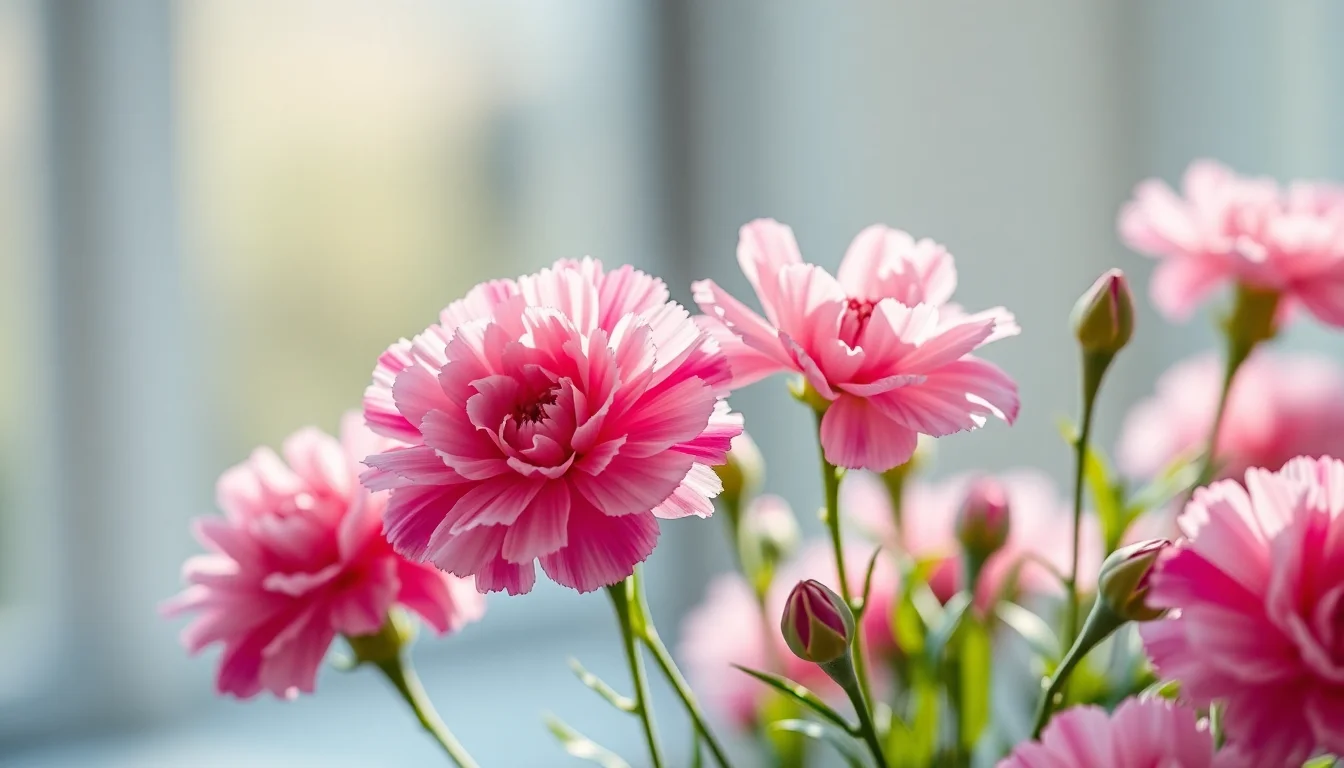
Carnation absolute is a luxurious floral extract derived from Dianthus caryophyllus flowers. You’ll encounter its rich, spicy-floral character in premium perfumes and niche body care products. This ingredient captures the velvety depth of carnations with a warmth reminiscent of clove-studded oranges. Carnation absolute elevates floral compositions by adding complexity and a vintage charm. Its nostalgic quality makes it a favorite in fragrances designed to evoke memories of classic bouquets and old-world apothecaries.
Safety Profile
USE WITH AWARENESSWhat Does Carnation absolute Smell Like?
Carnation absolute unfolds with an initial burst of peppery spice, like biting into a clove-studded orange. The heart reveals a dense floralcy – imagine crushed velvet petals warmed by the sun, with a honeyed undertone that thickens the scent. As it dries, a powdery vanilla-like softness emerges, balanced by persistent green stemminess. The dry-down retains a sophisticated floral character with whispers of carnation’s signature clove-like warmth, leaving a trail that’s both comforting and intriguingly complex.
In Famous Fragrances
Fragrance associations may not reflect actual formulations.
Uses carnation absolute for its spicy-floral duality, creating a peppery yet velvety contrast to the fragrance’s woody base. The carnation adds warmth and texture to the composition.
Features carnation absolute as a key floral component, blending its spicy character with fruity and woody notes for a sophisticated chypre structure.
Incorporates carnation absolute to bridge the citrus top notes with vanilla base, creating a floral-spicy transition that defined the first modern perfume structure.
Uses carnation absolute to enhance the floral bouquet, contributing its warm spiciness to complement the carnation accord in this iconic fragrance.
Amplifies carnation absolute’s spicy character to create intensity, blending it with amber and resins for a voluptuous oriental effect.
Chemistry, Properties & Perfumer Guide
The Chemistry
Carnation absolute is obtained through solvent extraction of Dianthus caryophyllus flowers. The complex mixture contains eugenol (contributing clove-like notes), benzyl benzoate (adding floral sweetness), and various sesquiterpenes that provide depth. The absolute’s characteristic warmth comes from methoxyeugenol and isoeugenol derivatives. Modern analytical techniques have identified over 200 constituents, with the balance between floral alcohols, spicy phenolics, and green stem compounds creating the signature carnation profile. The extraction process preserves delicate floral molecules that would be destroyed by steam distillation.
Physical & Chemical Properties
| Appearance | Viscous orange-brown liquid |
|---|---|
| Solubility | Soluble in alcohol, fixed oils |
| Flash Point | >100 °C |
Key Constituent Properties
| Constituent | CAS | MW | BP °C | XLogP | Vapor P. |
|---|---|---|---|---|---|
| Eugenol | 97-53-0 | 164.20 | 254 °C | 2.3 | 0.01 mmHg |
| Benzyl benzoate | 120-51-4 | 212.25 | 323 °C | 3.0 | 0.0003 mmHg |
Perfumer Guide
| Application | Typical % | Range | Notes |
|---|---|---|---|
| Fine Fragrance | 0.5-2% | Up to 5% | Adds floral depth and spicy complexity |
| Soaps | 0.1-0.5% | Up to 1% | Use sparingly due to coloration |
| Candles | 0.5-1.5% | Up to 3% | Performs well in hot throw |
| Body Care | 0.2-0.8% | Up to 1.5% | Luxury floral accent |
Classic Accords
Tip: Combine with ionones to enhance carnation’s powdery floral character while tempering its spice.
Alternatives & Comparisons
Provides carnation’s spicy core without the full floral complexity, useful when a cleaner clove note is needed.
Reconstitutes key carnation aspects with more consistency and lower cost, though lacks the absolute’s richness.
Offers similar eugenol-rich spiciness but with stronger medicinal character, requiring careful balancing in florals.
Safety, Regulatory & Sustainability
⚠ Regulatory Disclaimer
General reference only. Consult current IFRA Standards Library before formulating.
IFRA Status
No specific restrictions under current IFRA standards (as of 49th Amendment). Naturally occurring eugenol content falls below restriction thresholds when used at typical levels.
EU Allergen Declaration
Contains eugenol (CAS 97-53-0) which must be declared above 0.01% in leave-on and 0.001% in rinse-off products under EU regulation.
GHS Classification
RIFM Assessment
RIFM assessment confirms safe use at current industry levels, with recommended maximum of 2.1% in fine fragrances based on dermal sensitization data.
Sustainability
Carnation absolute production requires significant flower biomass (approximately 1 ton of flowers yields 1 kg of absolute). Sustainable sourcing focuses on pesticide-free cultivation and solvent recovery during extraction. Some producers are developing carbon-neutral extraction methods. Synthetic carnation bases offer more consistent supply but lack the ecological connection to flower agriculture.
Explore Carnation absolute
Browse essential oils and aroma compounds.
Browse on iHerb →Affiliate disclosure: we may earn a small commission at no extra cost to you.
References
- Joulain, D. (2001). The Composition of Carnation Absolute. Journal of Essential Oil Research, 13(2), 112-119. DOI:10.1080/10412905.2001.9699632
- PubChem Compound Summary for Eugenol CID 3314
- IFRA Standards Library – 49th Amendment IFRA 49
Data: PubChem (NIH), PubMed, RIFM, IFRA. Last reviewed: Apr 2026.
Report a data errorIngredient Data Sheet
CAS 8021-43-0Physical data: PubChem (NIH/NLM), U.S. EPA CompTox Dashboard, EPA OPERA models, RDKit. Odor & flavor: Arctander (Perfume & Flavor Chemicals), Fenaroli's Handbook of Flavor Ingredients, Leffingwell. Thresholds: van Gemert (Compilations of Odour Threshold Values). Regulatory: IFRA Standards 51st, FEMA GRAS. Trade names: Surburg (Common Fragrance & Flavor Materials). All data compiled and cross-referenced for perfumertools.com.
Related Research
- Hemp seed oil (CAS 8016-24-8) — Green Base Note Fragrance Ingredient
- Isobutyl propionate (CAS 540-42-1) — Sweet Top Note Fragrance Ingredient
- Bicyclo[2.2.1]hept-5-en-2-ol, acetate (CAS 6143-29-9) — Woody Top to middle Note Fragrance Ingredient
- Methyl Benzoate (CAS 93-58-3) — Sweet Top Note Fragrance Ingredient

![Benzoic acid, 2-[[[4-(4-methyl-3-penten-1-yl)-3-cyclohexen-1-yl]methylene]amino]-, methyl ester (CAS 93894-30-5) — Woody Base Note Fragrance Ingredient](https://thegoodscents.company/wp-content/uploads/2026/04/benzoic-acid-2-4-1-1-768x439.webp)
