Carob bean absolute (CAS 79070-15-8) — Sweet Base to middle Note Fragrance Ingredient
Carob bean absolute
CAS 79070-15-8
What Is Carob bean absolute?
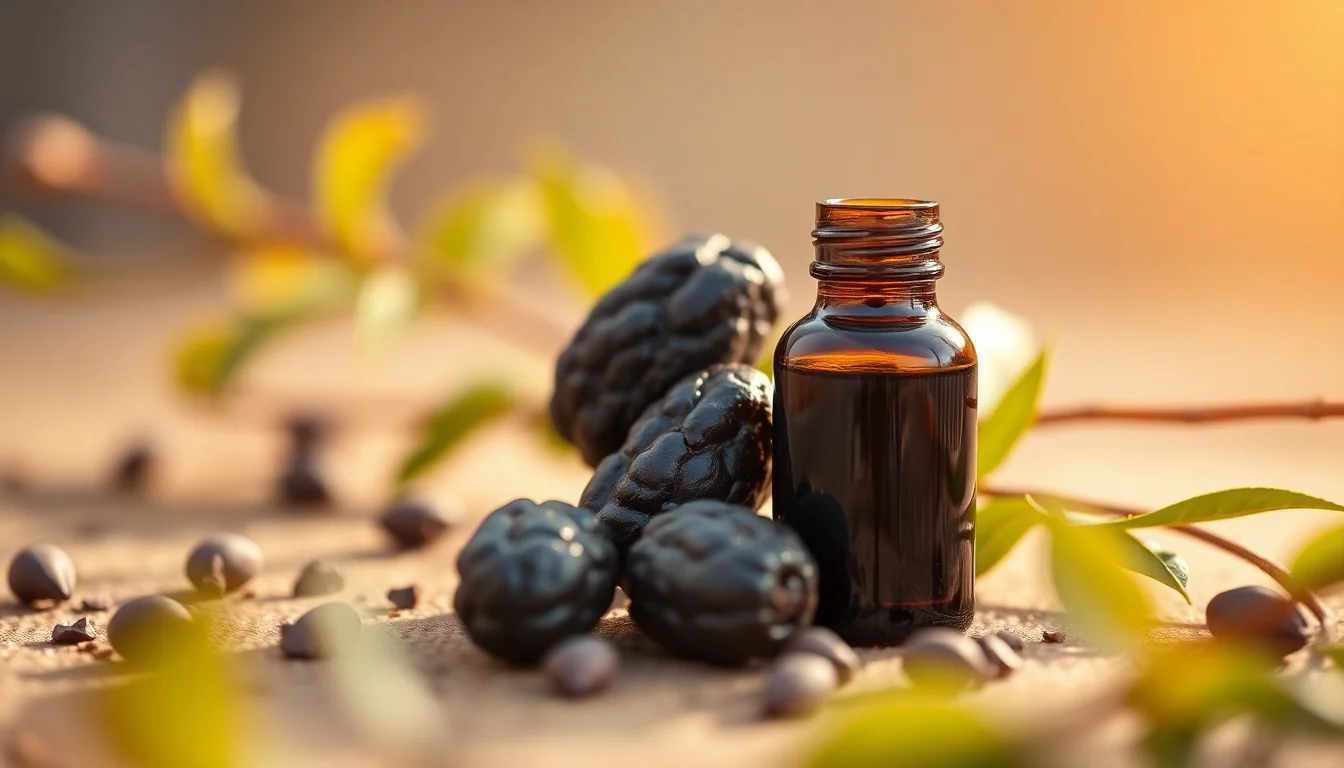
Carob bean absolute is a rich, chocolate-like extract derived from the pods of the carob tree (Ceratonia siliqua). It’s commonly used in gourmand fragrances, chocolates, and baked goods for its sweet, earthy aroma. This ingredient adds depth and warmth to perfumes, making it popular in oriental and gourmand scents. Its natural origin and versatile profile make it a favorite among perfumers and food flavorists alike.
Safety Profile
GENERALLY SAFEWhat Does Carob bean absolute Smell Like?
Carob bean absolute exudes a deep, velvety aroma reminiscent of dark chocolate and roasted coffee, with undertones of dried figs and caramel. Its top note is slightly sweet and nutty, evolving into a heart of rich, earthy cocoa and a base of warm, woody undertones. The dry-down is long-lasting, leaving a comforting, gourmand trail that blends seamlessly with vanilla and spice accords.
In Famous Fragrances
Fragrance associations may not reflect actual formulations.
Carob bean absolute adds a chocolatey depth to Angel’s gourmand heart, complementing the vanilla and patchouli for a decadent, edible quality.
Used to enhance the dark, luxurious chocolate accord, blending with truffle and black orchid for a sophisticated gourmand effect.
Carob bean absolute contributes to the rich, chocolate-coffee accord, adding warmth and sweetness to the masculine gourmand structure.
A key player in this ultra-gourmand fragrance, amplifying the chocolate note with its natural, earthy depth.
Provides a subtle chocolate nuance to the floral-chypre composition, adding modern gourmand appeal to a classic structure.
Chemistry, Properties & Perfumer Guide
The Chemistry
Carob bean absolute is obtained through solvent extraction of the carob tree pods, yielding a complex mixture of sugars, polyphenols, and volatile compounds. While not a single molecule, its characteristic aroma comes from methylpyrazines, furanones, and other Maillard reaction products. The extraction process preserves the natural balance of these components, resulting in a material that’s richer and more nuanced than synthetic chocolate aromas. Its composition varies slightly depending on the carob variety and growing conditions.
Physical & Chemical Properties
| Appearance | Dark brown viscous liquid |
|---|---|
| Solubility | Soluble in alcohol, insoluble in water |
Perfumer Guide
| Application | Typical % | Range | Notes |
|---|---|---|---|
| Fine Fragrance | 0.5-2% | Up to 5% | Adds gourmand depth |
| Candles | 1-3% | Up to 5% | Warm, edible note |
| Soaps | 0.1-0.5% | Up to 1% | Use sparingly for chocolate nuance |
| Food Flavoring | 0.01-0.1% | As needed | Natural chocolate alternative |
Classic Accords
Tip: Pair with ethyl maltol to enhance the chocolate character without overwhelming the composition.
Alternatives & Comparisons
More intense chocolate character but less nuanced than carob, use when a stronger chocolate note is desired.
Synthetic sweetener that can enhance chocolate notes when carob’s natural complexity isn’t required.
Provides a sweet, hay-like note that can complement carob in gourmand compositions.
Safety, Regulatory & Sustainability
⚠ Regulatory Disclaimer
General reference only. Consult current IFRA Standards Library before formulating.
IFRA Status
No IFRA restrictions. Generally recognized as safe for use in fragrances.
RIFM Assessment
RIFM considers carob bean absolute safe as currently used in fragrance applications.
Sustainability
Carob trees are drought-resistant, requiring minimal water and pesticides, making them an environmentally friendly crop. The pods are harvested without harming the tree, ensuring sustainable production. As a byproduct of food production, carob bean absolute represents efficient use of agricultural resources. However, solvent extraction methods should use eco-friendly solvents to minimize environmental impact.
Explore Carob bean absolute
Browse essential oils and aroma compounds.
Browse on iHerb →Affiliate disclosure: we may earn a small commission at no extra cost to you.
References
- Biner B et al. (2007). Sugar profile of carob pod. Food Chemistry. DOI:10.1016/j.foodchem.2006.11.058
- Owen RW et al. (2003). Phenolic compounds in carob pods. Journal of Agricultural and Food Chemistry. DOI:10.1021/jf034790+
Data: PubChem (NIH), PubMed, RIFM, IFRA. Last reviewed: Apr 2026.
Report a data errorIngredient Data Sheet
CAS 79070-15-8Physical data: PubChem (NIH/NLM), U.S. EPA CompTox Dashboard, EPA OPERA models, RDKit. Odor & flavor: Arctander (Perfume & Flavor Chemicals), Fenaroli's Handbook of Flavor Ingredients, Leffingwell. Thresholds: van Gemert (Compilations of Odour Threshold Values). Regulatory: IFRA Standards 51st, FEMA GRAS. Trade names: Surburg (Common Fragrance & Flavor Materials). All data compiled and cross-referenced for perfumertools.com.
Related Research
- Cyclohexyl phenylacetate (CAS 42288-75-5) — Sweet Middle Note Fragrance Ingredient
- Myrcenol (CAS 543-39-5) — Citrus Top to Middle Note Fragrance Ingredient
- 2H-1-Benzopyran-6-ol, 3,4-dihydro-2,5,7,8-tetramethyl-2-(4,8,12-trimethyltridecyl)- (CAS 10191-41-0) — Woody Base Note Fragrance Ingredient
- Valeraldehyde (CAS 110-62-3) — Green Top Note Fragrance Ingredient