Cascarilla bark oil (CAS 8007-06-05) — Woody Middle Note Fragrance Ingredient
Cascarilla bark oil
CAS 8007-06-05
What Is Cascarilla bark oil?
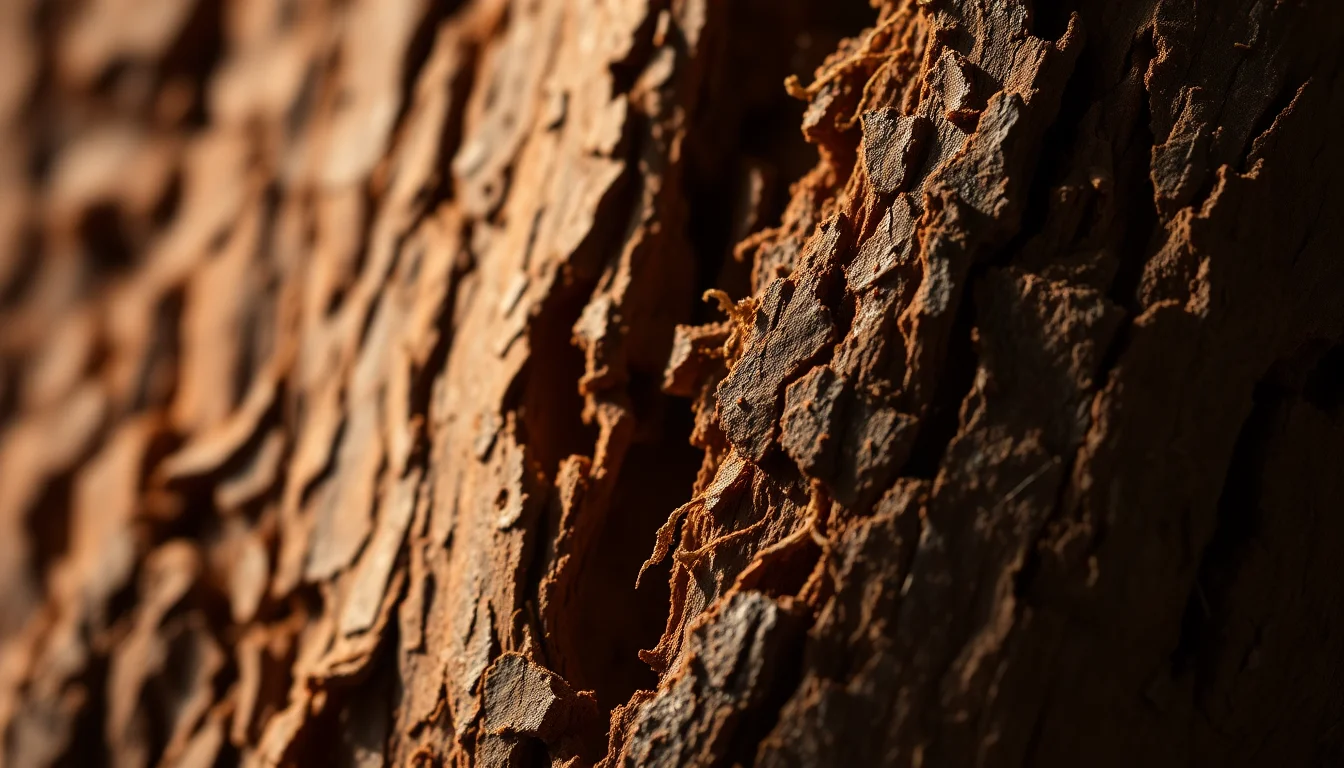
Cascarilla bark oil is a warm, spicy essential oil derived from the bark of the Croton eluteria tree, native to the Bahamas and Caribbean. It’s often encountered in traditional medicines and as a flavoring agent. This oil matters in perfumery for its unique woody-balsamic character with peppery undertones, adding depth and complexity to fragrances.
Safety Profile
USE WITH AWARENESSWhat Does Cascarilla bark oil Smell Like?
Cascarilla bark oil opens with a sharp, peppery burst reminiscent of crushed black pepper corns, quickly settling into a warm, woody heart with resinous balsamic undertones. The dry-down reveals a lingering sweetness akin to aged cedarwood, with faint hints of cinnamon and clove. Its evolution is linear but complex, maintaining a spicy-woody character throughout.
In Famous Fragrances
Fragrance associations may not reflect actual formulations.
Used for its peppery warmth that complements lavender and tonka bean, creating a dark, spicy-oriental accord.
Adds woody-spicy depth to the rich fruity-floral composition, enhancing the regal opulence.
Chemistry, Properties & Perfumer Guide
The Chemistry
Cascarilla bark oil is a complex natural mixture containing primarily limonene, pinene, and eugenol. The oil is steam-distilled from the dried bark of Croton eluteria trees. Its characteristic peppery note comes from sesquiterpenes unique to this species. The composition varies significantly based on harvest location and distillation methods.
Physical & Chemical Properties
| Appearance | Pale yellow to amber liquid |
|---|---|
| Density | 0.90-0.95 g/cm³ |
Key Constituent Properties
| Constituent | CAS | MW | BP °C | XLogP | Vapor P. |
|---|---|---|---|---|---|
| Limonene | 138-86-3 | 136.24 | 176 | 4.2 | 1.5 mmHg |
Perfumer Guide
| Application | Typical % | Range | Notes |
|---|---|---|---|
| Fine Fragrance | 0.5-2% | Up to 5% | Spicy-woody modifier |
| Soaps | 0.1-0.5% | Up to 1% | Adds warmth |
Classic Accords
Tip: Use sparingly to add peppery warmth without overwhelming floral compositions.
Alternatives & Comparisons
For a sharper peppery note when more intensity is needed.
Safety, Regulatory & Sustainability
⚠ Regulatory Disclaimer
General reference only. Consult current IFRA Standards Library before formulating.
IFRA Status
No IFRA restrictions currently apply to cascarilla bark oil.
EU Allergen Declaration
Contains limonene which requires allergen declaration above 0.001% in leave-on products.
GHS Classification
RIFM Assessment
RIFM has assessed cascarilla bark oil as safe for current use levels in fragrance.
Sustainability
Wild harvesting of Croton eluteria is sustainable when properly managed. The bark regenerates after harvesting. Some suppliers practice responsible wildcrafting with local communities. No major environmental concerns currently reported.
Explore Cascarilla bark oil
Browse essential oils and aroma compounds.
Browse on iHerb →Affiliate disclosure: we may earn a small commission at no extra cost to you.
References
- Guenther, E. (1952). The Essential Oils. Van Nostrand.
Data: PubChem (NIH), PubMed, RIFM, IFRA. Last reviewed: Apr 2026.
Report a data errorRelated Research
- 1-(p-Methoxyphenyl)-2-propanone (CAS 122-84-9) — Sweet Heart to base Note Fragrance Ingredient
- Rhodinyl acetate (CAS 0141-11-7) — Floral Top to Heart Note Fragrance Ingredient
- Octanoic acid, octadecyl ester (CAS 18312-31-7) — Woody Base Note Fragrance Ingredient
- Isobutyl N-methylanthranilate (CAS 65505-24-0) — Sweet Top to middle Note Fragrance Ingredient