Catnip oil (CAS 8023-84-5) — Green Middle Note Fragrance Ingredient
Catnip oil
CAS 8023-84-5
What Is Catnip oil?
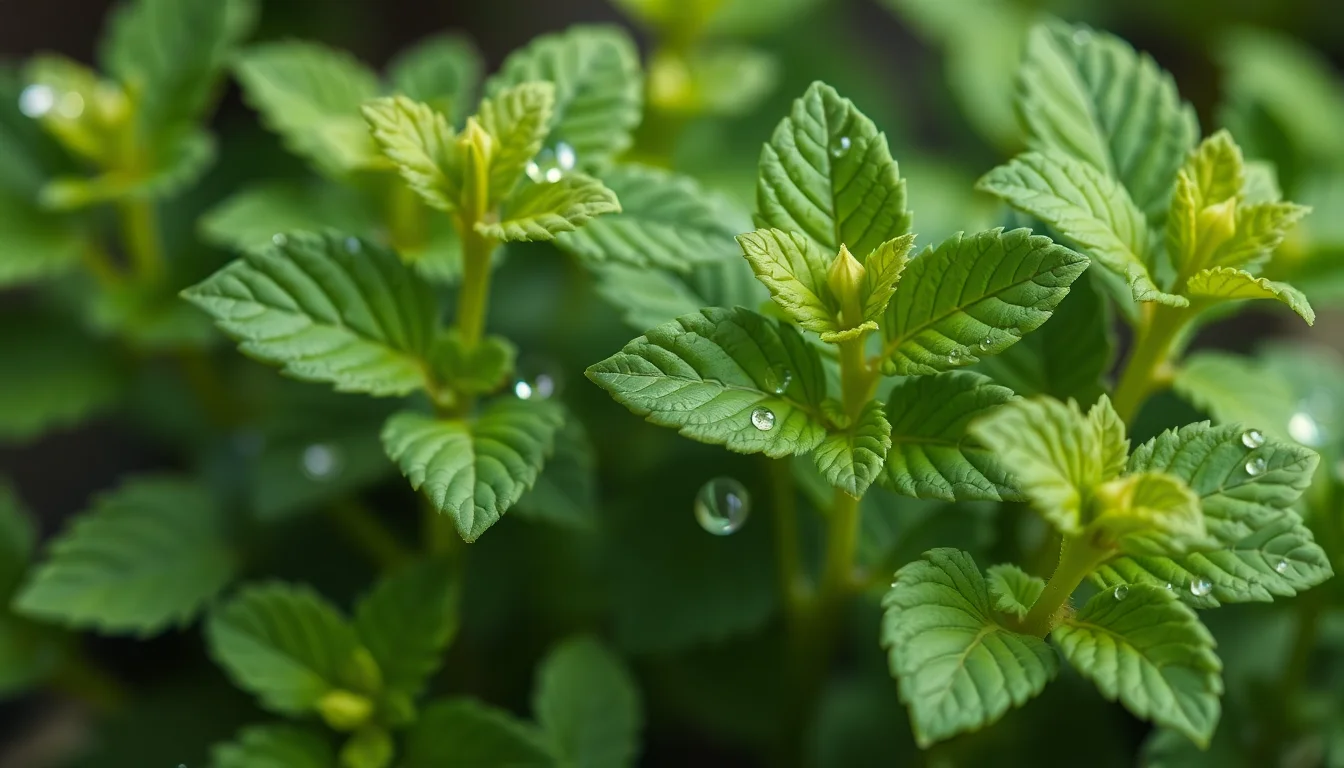
Catnip oil is extracted from Nepeta cataria, a mint family plant famous for its effects on cats. People encounter it in pet products, herbal remedies, and occasionally in niche fragrances. While best known for its feline attraction, the oil has a complex herbal-minty aroma that perfumers use for its unique green character. Its rarity in mainstream perfumery makes it a distinctive choice for creating unconventional botanical accords.
Safety Profile
USE WITH AWARENESSWhat Does Catnip oil Smell Like?
Catnip oil bursts with an intensely herbaceous opening – imagine crushed mint leaves crossed with fresh hay and a whisper of lemon peel. The heart reveals deeper, almost mushroom-like earthiness with subtle camphoraceous undertones. As it dries, a peculiar dry grass facet emerges, lingering with a faintly animalic warmth that distinguishes it from other mint oils. The overall effect is greener and more vegetal than peppermint, with an unpredictable wildness that evolves dramatically on skin.
In Famous Fragrances
Fragrance associations may not reflect actual formulations.
Used for its feral green facets to create a cave-like vegetal atmosphere, blending with tropical fruits and damp earth notes for an unconventional take on animalic perfumery.
Employed as a botanical bridge between crisp pine needles and warm animalic musks, adding an untamed herbal dimension to this forest-inspired fragrance.
Chemistry, Properties & Perfumer Guide
The Chemistry
Catnip oil’s primary active compound is nepetalactone (C10H14O2), an iridoid monoterpene that exists as cis-trans isomers. The oil contains varying ratios of nepetalactone (up to 90%), alongside smaller amounts of citronellol, geraniol, and thymol. Steam distillation of flowering tops yields the highest nepetalactone content. The molecule’s unique bicyclic structure and chirality contribute to its potent olfactory characteristics and feline pheromone-like effects. Unlike many mint oils, it lacks significant menthol content, explaining its divergent scent profile.
Physical & Chemical Properties
| Appearance | Pale yellow to greenish liquid |
|---|---|
| Boiling Point | 230-240 °C (est.) |
| Density | 0.92-0.94 g/cm³ |
Key Constituent Properties
| Constituent | CAS | MW | BP °C | XLogP | Vapor P. |
|---|---|---|---|---|---|
| Nepetalactone | 21651-62-7 | 166.22 | 230-240 | 2.1 | 0.01 mmHg |
Perfumer Guide
| Application | Typical % | Range | Notes |
|---|---|---|---|
| Fine Fragrance | 0.5-2% | Up to 5% | Used sparingly for green-herbal complexity |
| Home Fragrance | 1-3% | Up to 7% | Adds botanical freshness to candles/diffusers |
Classic Accords
Tip: Use as a modifier for mint or verbena notes to add depth and reduce candy-like sweetness.
Alternatives & Comparisons
When a cleaner, sweeter mint character is desired without catnip’s animalic undertones.
For similar green-herbal effects with more bitter wormwood character and less feline attraction.
Safety, Regulatory & Sustainability
⚠ Regulatory Disclaimer
General reference only. Consult current IFRA Standards Library before formulating.
IFRA Status
Not currently restricted by IFRA standards.
EU Allergen Declaration
None of the constituents are listed in EU allergen regulations.
RIFM Assessment
RIFM has evaluated nepetalactone as safe at current usage levels in fragrances.
Sustainability
Catnip is a hardy perennial requiring minimal pesticides, making it relatively sustainable. Most commercial oil comes from wild-harvested plants in North America and Europe. Synthetic nepetalactone exists but lacks the full spectrum of minor constituents that give natural oil its complexity. Ethical sourcing is important as demand rises in pet product industries.
Explore Catnip oil
Browse essential oils and aroma compounds.
Browse on iHerb →Affiliate disclosure: we may earn a small commission at no extra cost to you.
References
- Regnier et al. (1967). Nepetalactone: The Essential Oil of Catnip. Science. DOI: 10.1126/science.158.3798.104
Data: PubChem (NIH), PubMed, RIFM, IFRA. Last reviewed: Apr 2026.
Report a data error