Ajowan oil (CAS 8001-99-8) — Spicy Top to middle Note Fragrance Ingredient
Ajowan oil
CAS 8001-99-8
What Is Ajowan oil?
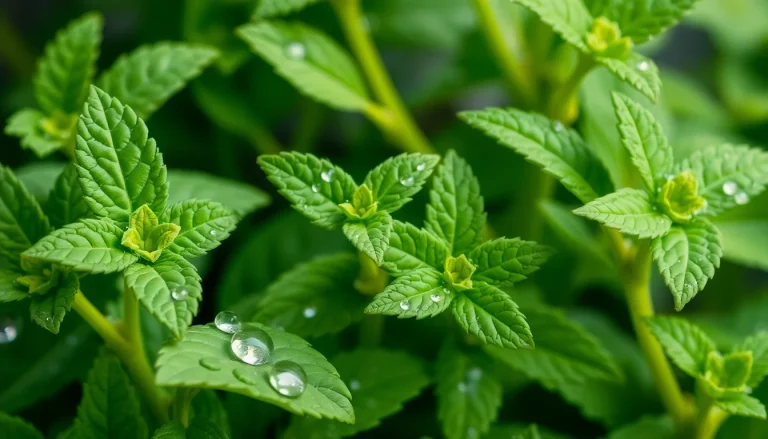
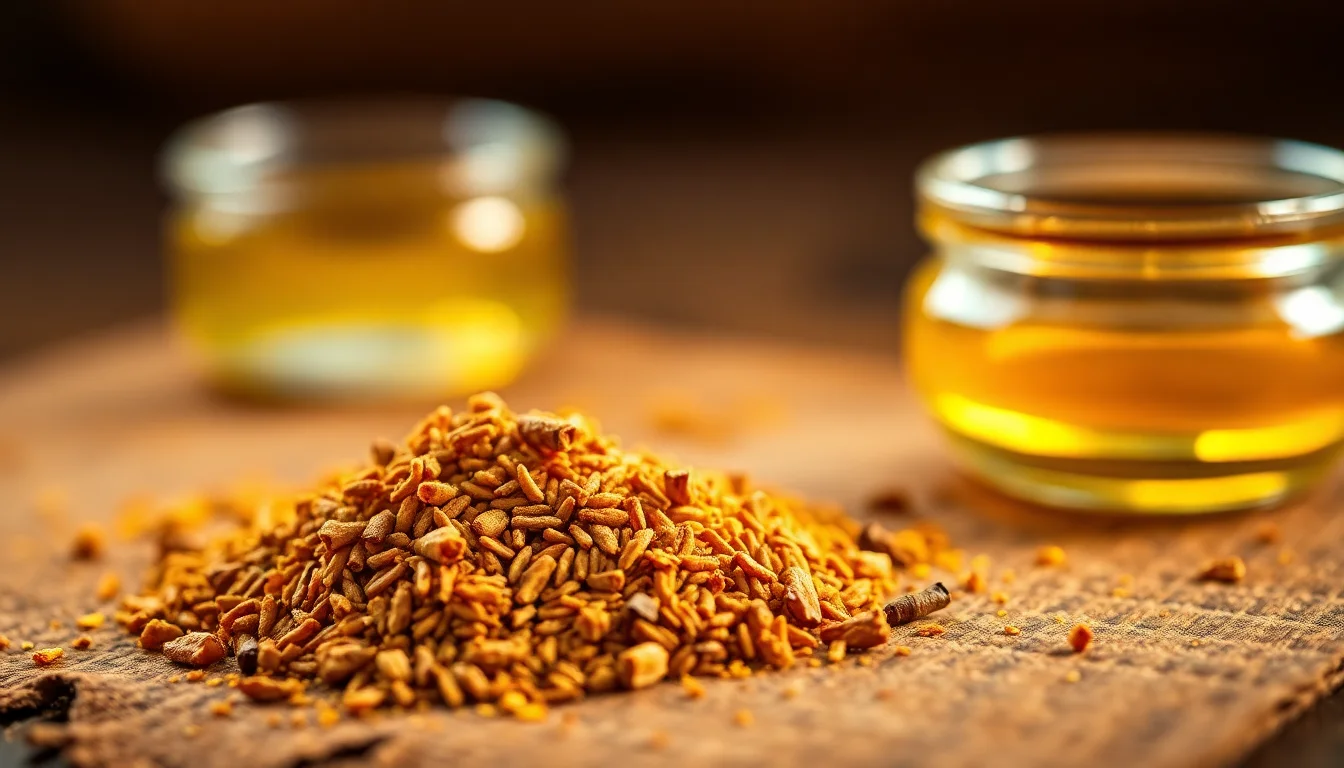
Ajowan oil is extracted from the seeds of Trachyspermum ammi, a plant native to India and the Middle East. It’s commonly encountered in traditional medicines, culinary spice blends, and some niche perfumery. The oil carries a distinctive warm, thyme-like aroma with medicinal undertones. This ingredient matters in perfumery for adding herbal complexity and a slightly phenolic edge to masculine and aromatic compositions. Its antimicrobial properties also make it valuable in functional fragrances.
Safety Profile
USE WITH AWARENESSWhat Does Ajowan oil Smell Like?
Ajowan oil bursts with an intensely medicinal, almost harsh thyme-like top note underscored by sharp phenolic warmth. The heart reveals cumin-like earthiness with a peppery bite, evolving into a dry, woody-herbal base reminiscent of ancient apothecary shelves. When diluted, it develops a surprising floral nuance akin to caraway. The dry-down leaves a persistent medicinal aura with hints of leather and tobacco, making it ideal for creating rugged, old-world aromatic effects. Its character sits midway between oregano and thyme but with more complexity and depth.
In Famous Fragrances
Fragrance associations may not reflect actual formulations.
Ajowan provides the sharp herbal-medicinal edge in this opulent oriental, contrasting with rose and incense. Its phenolic quality enhances the fragrance’s ancient spice route narrative.
Used sparingly to add a medicinal counterpoint to the fruity-amber accord, creating tension between dark and luminous elements.
Ajowan’s cumin-like facets blend with papyrus and myrrh, contributing to the fragrance’s mystical desert caravan atmosphere.
The oil’s sharpness amplifies the citrus top notes while its woody base transitions smoothly into the birch leaf heart.
Ajowan adds an unexpected herbal depth to the citrus-woody structure, creating a more rugged interpretation of the classic.
Chemistry, Properties & Perfumer Guide
The Chemistry
Ajowan oil is dominated by thymol (35-60%) and p-cymene (15-30%), with γ-terpinene, α-pinene, and β-pinene as minor constituents. These monoterpenoids give the oil its characteristic phenolic-medicinal odor profile. The thymol content varies based on geographic origin, with Indian varieties typically being richest. Steam distillation of the dried seeds yields 2-5% essential oil. Chemically, the thymol provides both fragrance value and antimicrobial properties, while p-cymene acts as a natural solvent that modifies the overall volatility pattern.
Physical & Chemical Properties
| Color | Pale yellow to brownish |
|---|---|
| Density | 0.910-0.930 g/cm³ |
| Refractive Index | 1.498-1.504 |
| Optical Rotation | -1° to +1° |
| Flash Point | 62 °C |
Key Constituent Properties
| Constituent | CAS | MW | BP °C | XLogP | Vapor P. |
|---|---|---|---|---|---|
| Thymol | 89-83-8 | 150.22 | 233 °C | 3.1 | 0.034 mmHg |
| p-Cymene | 99-87-6 | 134.22 | 177 °C | 3.7 | 1.7 mmHg |
Perfumer Guide
| Application | Typical % | Range | Notes |
|---|---|---|---|
| Fine Fragrance | 0.1-0.5% | Up to 1% | Used sparingly for herbal-medicinal effects |
| Functional Fragrances | 0.05-0.2% | Up to 0.5% | Valued for antimicrobial properties |
| Soap/Detergent | 0.01-0.1% | Up to 0.3% | Provides herbal freshness |
| Flavor | 5-50 ppm | Up to 100 ppm | Used in spice blends and bitters |
Classic Accords
Tip: Balance ajowan’s sharpness with sweet spices or vanillin to prevent excessive harshness.
Alternatives & Comparisons
For similar phenolic character but with more green notes and less cumin-like earthiness.
When a stronger, more camphoraceous herbal effect is desired.
For the cumin-like aspects without the intense medicinal thymol character.
Safety, Regulatory & Sustainability
⚠ Regulatory Disclaimer
General reference only. Consult current IFRA Standards Library before formulating.
IFRA Status
No IFRA restrictions. Thymol content self-limits usage due to skin sensitivity potential.
EU Allergen Declaration
Thymol must be declared above 0.001% in leave-on products (Annex III).
GHS Classification
RIFM Assessment
RIFM assessment confirms safe use at current industry levels, with thymol content monitored.
Sustainability
Ajowan is cultivated as an annual crop, primarily in India and Iran, with relatively low environmental impact. Sustainable harvesting practices are encouraged as wild collection can damage arid ecosystems. Synthetic thymol alternatives exist but lack the full complexity of natural ajowan oil. Organic certification is available for pesticide-free production.
Explore Ajowan oil
Browse essential oils and aroma compounds.
Browse on iHerb →Affiliate disclosure: we may earn a small commission at no extra cost to you.
References
- Singh et al. (2014). Chemical composition and antimicrobial activity of Ajowan essential oil. Journal of Essential Oil Research. DOI:10.1080/10412905.2014.982876
- EMA (2018). Assessment report on Trachyspermum ammi (L.) Sprague ex Turrill, fructus. EMA/HMPC/563259/2017
- PubChem Compound Summary for Thymol CID 6989
Data: PubChem (NIH), PubMed, RIFM, IFRA. Last reviewed: Apr 2026.
Report a data errorIngredient Data Sheet
CAS 8001-99-8Physical data: PubChem (NIH/NLM), U.S. EPA CompTox Dashboard, EPA OPERA models, RDKit. Odor & flavor: Arctander (Perfume & Flavor Chemicals), Fenaroli's Handbook of Flavor Ingredients, Leffingwell. Thresholds: van Gemert (Compilations of Odour Threshold Values). Regulatory: IFRA Standards 51st, FEMA GRAS. Trade names: Surburg (Common Fragrance & Flavor Materials). All data compiled and cross-referenced for perfumertools.com.
Related Research
- Poly[oxy(methyl-1,2-ethanediyl)], .alpha.-butyl-.omega.-hydroxy- (CAS 9003-13-8) — Citrus Non-fragrance Note Fragrance Ingredient
- Panthenol (CAS 81-13-0) — Citrus Top Note Fragrance Ingredient
- 4-Penten-1-one, 1-spiro[4.5]dec-6-en-7-yl- (CAS 224031-71-4) — Green Middle Note Fragrance Ingredient
- Phenol, 2,3,5-trimethyl- (CAS 697-82-5) — Woody Base Note Fragrance Ingredient