Cistus Oil (Rock Rose) (CAS 8016-26-0) — Balsamic Heart Note Fragrance Ingredient
Cistus Oil (Rock Rose)
CAS 8016-26-0
What Is Cistus Oil (Rock Rose)?
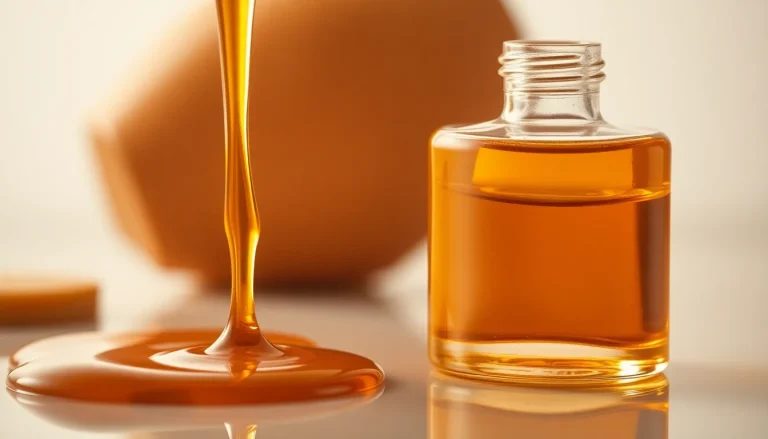
Cistus oil, also known as rock rose oil, is a warm, resinous essential oil extracted from the Mediterranean rock rose plant. You’ll encounter it in natural perfumes, high-end soaps, and aromatherapy blends. This oil captures the sun-baked essence of Mediterranean landscapes, often used to evoke warmth and depth in fragrances. Cistus oil matters because it’s a key ingredient in amber and chypre perfumes, adding a rich, honeyed leather note that evolves beautifully on skin. Its complex aroma bridges floral and woody tones, making it a perfumer’s secret weapon for creating sophisticated scent profiles.
Safety Profile
USE WITH AWARENESSWhat Does Cistus Oil (Rock Rose) Smell Like?
Cistus oil bursts with an intense, honeyed warmth reminiscent of sun-warmed beeswax and dried apricots. The opening is surprisingly bright for a resin, with flashes of citrus peel and tea leaves that quickly give way to its heart: a hypnotic blend of ambery labdanum, leather, and faint floral whispers. As it dries down, the oil reveals its true depth – a smoky, almost animalic base that clings to skin like well-worn suede. Unlike other resins, cistus maintains a subtle sweetness throughout its evolution, preventing the dry-down from becoming overly dark or medicinal.
Scent Profile
In Famous Fragrances
Fragrance associations may not reflect actual formulations.
Cistus provides the honeyed, animalic backbone to this iconic amber, balancing the sweetness of vanilla with its leathery depth. The oil’s resinous quality helps bridge the gap between bright top notes and dark base materials.
Here cistus adds a sun-baked Mediterranean warmth to the citrus-cumin accord, its resinous facets enhancing the fragrance’s skin-like quality without overpowering the sparkling top notes.
The original chypre used cistus to create its legendary mossy-leather accord. The oil’s ability to simultaneously convey warmth and dryness makes it irreplaceable in this genre.
Cistus provides the ‘sunlight’ in this Himalayan-inspired scent, its honeyed facets cutting through the cool iris and spice notes to create a paradoxical warmth-in-cold effect.
Cistus absolute (a related material) forms the core of this fragrance, showcasing how the material can stand alone when refined – creating a skin scent that’s both intimate and complex.
Chemistry, Properties & Perfumer Guide
The Chemistry
Cistus oil is steam-distilled from the resinous leaves and twigs of Cistus ladanifer, a Mediterranean shrub. Unlike most floral absolutes, it contains significant amounts of volatile monoterpenes (pinene, limonene) alongside sesquiterpenes and unique diterpenes like labdane-type compounds. The oil’s characteristic leathery notes come from phenolic compounds created during distillation. Modern extraction techniques can yield different profiles – CO2 extraction preserves more floral facets while traditional steam distillation emphasizes the resinous, ambery qualities. The oil’s complexity means its scent profile varies significantly by harvest time and growing conditions.
Chemical Composition
Physical & Chemical Properties
| Appearance | Viscous yellow to amber liquid |
|---|---|
| Flash Point | >100 °C |
| Solubility | Soluble in alcohol, insoluble in water |
Key Constituent Properties
| Constituent | CAS | MW | BP °C | XLogP | Vapor P. |
|---|---|---|---|---|---|
| α-Pinene | 80-56-8 | 136.23 | 155 °C | 2.8 | 4.64 mmHg |
| Limonene | 138-86-3 | 136.23 | 175 °C | 4.2 | 1.55 mmHg |
Perfumer Guide
| Application | Typical % | Range | Notes |
|---|---|---|---|
| Fine Fragrance | 0.5-2% | Up to 5% | Provides warmth and diffusion |
| Soap/Candle | 0.1-0.5% | Up to 1% | Use sparingly due to tenacity |
| Aromatherapy | 1-3% | Up to 5% | Often blended with lavender |
Classic Accords
Tip: Pre-dilute to 10% in ethanol to better gauge its strength in blends.
Alternatives & Comparisons
More refined and less phenolic than cistus oil, with greater floral sweetness. Use when you need the amber quality without the leather roughness.
Offers similar balsamic warmth but with more vanilla-like sweetness and less animalic character. Works well in oriental bases.
Safety, Regulatory & Sustainability
⚠ Regulatory Disclaimer
General reference only. IFRA, REACH, EU Cosmetics Regulation standards update periodically. Consult current IFRA Standards Library before formulating. Not legal or regulatory advice.
IFRA Status
No IFRA restrictions under current guidelines (as of 50th Amendment).
EU Allergen Declaration
Contains limonene (≥20%) which requires allergen labeling above 0.1% in leave-on products.
GHS Classification
RIFM Assessment
RIFM assessment confirms safe use at current industry levels, with recommended dermal limits of 3.9% for leave-on products.
Sustainability
Wild-harvested cistus presents minimal ecological concerns as the shrub thrives in poor soils and regrows quickly after harvesting. However, overharvesting in specific regions (particularly Spain and Portugal) has led to some supply chain issues. Sustainable producers now cultivate cistus as a crop rather than relying solely on wild collection. The distillation process is energy-intensive but uses renewable biomass in traditional production areas. Synthetic alternatives exist but cannot replicate the oil’s full complexity.
Explore Cistus Oil (Rock Rose)
Browse essential oils and aroma compounds.
Browse on iHerb →Affiliate disclosure: we may earn a small commission at no extra cost to you.
References
- González et al. (2016). Chemical composition of Cistus ladaniferus essential oil. Journal of Essential Oil Research. DOI:10.1080/10412905.2015.1093556
- Papaefthimiou et al. (2014). Genus Cistus: botanical characteristics and bioactivities. Planta Medica. DOI:10.1055/s-0033-1360273
Data: PubChem (NIH), PubMed, RIFM, IFRA. Last reviewed: Mar 2026.
Report a data errorIngredient Data Sheet
CAS 8016-26-0Odor & Flavor
| The oil, obtained by steam distillation of the crude gum resin, is a bright-yellow liquid that turns brown with age. It has a strong, balsamic odor reminiscent of ambergris on dilution. There is also an oil called cistus oil, which is steam-distilled directly from the dried leaves and twigs. The oil has a characteristic herbaceous odor reminiscent of chamomile.📖 Fenaroli |
Regulatory Status
| IOFI Classification | Natural📖 Fenaroli |
Physical data: PubChem (NIH/NLM), U.S. EPA CompTox Dashboard, EPA OPERA models, RDKit. Odor & flavor: Arctander (Perfume & Flavor Chemicals), Fenaroli's Handbook of Flavor Ingredients, Leffingwell. Thresholds: van Gemert (Compilations of Odour Threshold Values). Regulatory: IFRA Standards 51st, FEMA GRAS. Trade names: Surburg (Common Fragrance & Flavor Materials). All data compiled and cross-referenced for perfumertools.com.
Related Research
- 1,3-Dioxolane, 2,4-dimethyl-2-(5,6,7,8-tetrahydro-5,5,8,8-tetramethyl-2-naphthalenyl)-, trans- (CAS 131812-52-7) — Woody Middle Note Fragrance Ingredient
- Cyclohexane, 1,1-[oxybis(methylene)]bis- (CAS 14315-63-0) — Woody Middle Note Fragrance Ingredient
- Hexanedioic acid, dioctyl ester (CAS 123-79-5) — Citrus Base Note Fragrance Ingredient
- Orange oil, sweet, terpenes (CAS 68647-72-3) — Citrus Top Note Fragrance Ingredient
![Methyl 2-[(2-methylundecylidene)amino]benzoate (CAS 67800-80-0) — Floral Heart Note Fragrance Ingredient](https://thegoodscents.company/wp-content/uploads/2026/04/methyl-2-1-12-768x439.webp)