Diphenyl ether (CAS 101-84-8) — Floral Middle Note Fragrance Ingredient
Diphenyl ether
CAS 101-84-8
What Is Diphenyl ether?
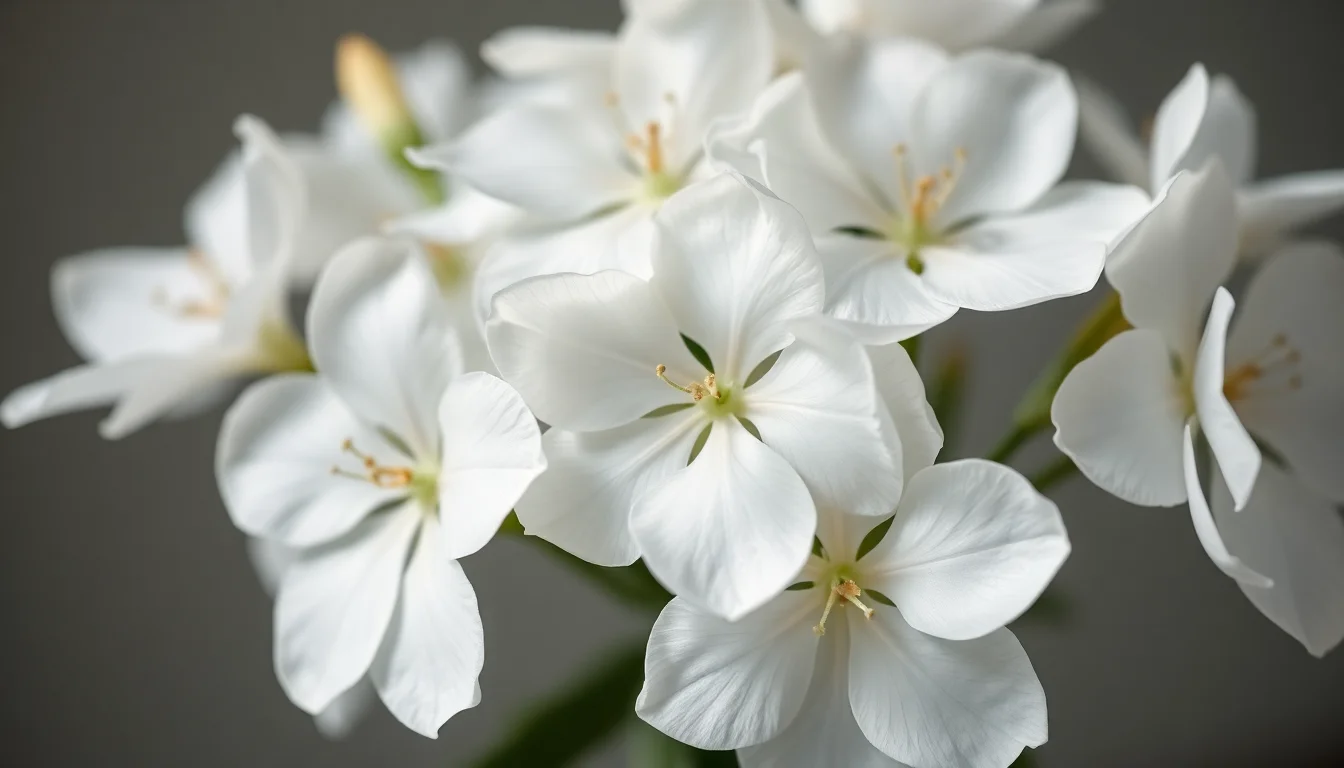
Diphenyl ether is a synthetic aromatic compound often used as a fragrance ingredient in soaps, detergents, and perfumes. It imparts a floral, slightly herbal scent reminiscent of geranium leaves. This ingredient matters because it provides long-lasting floral notes and enhances the stability of fragrance compositions, making scents more persistent on skin and fabrics.
Safety Profile
GENERALLY SAFEWhat Does Diphenyl ether Smell Like?
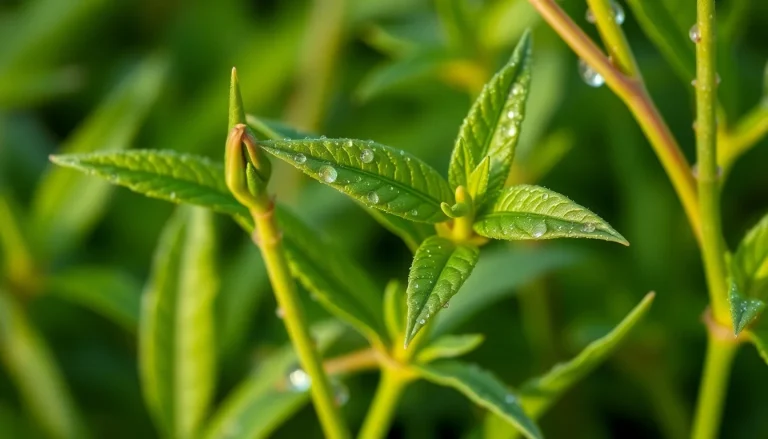
Diphenyl ether offers a clean, floral aroma with subtle herbal undertones, evoking the crispness of geranium leaves. Initially, it presents a sharp, slightly green top note that quickly mellows into a soft, powdery floral heart. Over time, it settles into a delicate, lingering base note with a faintly sweet, woody character. Its dry-down is smooth and persistent, making it a reliable middle note in floral and herbal accords.
In Famous Fragrances
Fragrance associations may not reflect actual formulations.
Used to enhance the floral bouquet, adding a clean, powdery nuance that balances the aldehydes and jasmine.
Provides a subtle floral-herbal contrast to the vanilla and bergamot, adding depth to the oriental accord.
2D Molecular Structure
SMILES: O(C1=CC=CC=C1)C1=CC=CC=C1
Chemistry, Properties & Perfumer Guide
The Chemistry
Diphenyl ether is an aromatic ether with the chemical formula (C6H5)2O. It is synthesized through the Ullmann reaction, coupling phenol with bromobenzene in the presence of copper. The molecule is planar and exhibits significant resonance stabilization. Its ether linkage contributes to its stability and low reactivity, making it a versatile fragrance ingredient. Chirality is not a concern as the molecule is symmetric.
Physical & Chemical Properties
| Boiling Point | 259 °C |
|---|---|
| Melting Point | 28 °C |
| Density | 1.073 g/cm³ |
| Flash Point | 115 °C |
Perfumer Guide
| Application | Typical % | Range | Notes |
|---|---|---|---|
| Fine Fragrance | 1-3% | Up to 5% | Adds floral depth and stability |
| Soaps/Detergents | 0.5-2% | Up to 3% | Provides lasting floral notes |
Classic Accords
Tip: Use in floral accords to enhance longevity and add a clean, powdery nuance.
Alternatives & Comparisons
A milder alternative with similar floral notes but lower risk of sensitization.
Natural floral alternative with a rosier scent profile but higher volatility.
Safety, Regulatory & Sustainability
⚠ Regulatory Disclaimer
General reference only. Consult current IFRA Standards Library before formulating.
IFRA Status
Not restricted by IFRA. Generally recognized as safe for use in fragrances.
EU Allergen Declaration
Not listed as an EU allergen.
GHS Classification
RIFM Assessment
RIFM assessment confirms safe use at current levels in fragrances.
Sustainability
Diphenyl ether is synthesized from petrochemical sources, raising environmental concerns. However, its high efficiency and low usage rates mitigate its impact. Efforts are underway to develop greener synthesis methods using bio-based phenols.
Explore Diphenyl ether
Browse essential oils and aroma compounds.
Browse on iHerb →Affiliate disclosure: we may earn a small commission at no extra cost to you.
References
Data: PubChem (NIH), PubMed, RIFM, IFRA. Last reviewed: Apr 2026.
Report a data errorIngredient Data Sheet
CAS 101-84-8Physical Properties
| Molecular Weight | 170.21 g/mol🔬 PubChem |
| LogP (Octanol-Water) | 4.2🔬 PubChem |
| Boiling Point | 257.9 °C🔬 EPA CompTox |
| Vapor Pressure | 0.02 mmHg @ 25°C📊 OPERA |
| Flash Point | 115 °C🔬 EPA CompTox |
| Involatility Index | 0.0017💻 Calculated |
| log Kp (skin permeability) | -0.756💻 Calculated |
| SMILES | C1=CC=C(C=C1)OC2=CC=CC=C2🔬 PubChem |
Volatility & Performance
| Fragrance Note | Heart💻 Calculated |
| Volatility Class | Very slow💻 Calculated |
| Persistence Score | 3.5 / 5💻 Calculated |
Odor & Flavor
| Primary Descriptors | floralgreenmetallic• leffingwell |
| Functional Groups | etheraromatic💻 RDKit |
| “Harsh floral-green, metallic Geranium type odor. The crystals appear to emit a much milder odor than the liquid material, and it is only in actual use that one can truly estimate and evaluate the strength of this material,”📖 Arctander | |
| Diphenyl ether has a harsh, floral-green, metallic geranium-type odor.📖 Fenaroli | |
Sensory Thresholds
| Odor Detection Threshold | 0.2388 ppm (n=7)📖 van Gemert |
Physical data: PubChem (NIH/NLM), U.S. EPA CompTox Dashboard, EPA OPERA models, RDKit. Odor & flavor: Arctander (Perfume & Flavor Chemicals), Fenaroli's Handbook of Flavor Ingredients, Leffingwell. Thresholds: van Gemert (Compilations of Odour Threshold Values). Regulatory: IFRA Standards 51st, FEMA GRAS. Trade names: Surburg (Common Fragrance & Flavor Materials). All data compiled and cross-referenced for perfumertools.com.
Physicochemical Properties
DTXSID: DTXSID9021847
Physical Properties
| Molecular Weight | 170.211 g/mol🔬 EPA CompTox |
| Density | 1.074 g/cm^3🔬 EPA CTX |
| Boiling Point | 258.188 °C🔬 EPA CTX |
| Melting Point | 27.953 °C🔬 EPA CTX |
| Flash Point | 110.28 °C🔬 EPA CTX |
| Refractive Index | 1.573 Dimensionless📊 OPERA |
| Molar Volume | 160.02 cm^3/mol📊 OPERA |
Partition & Solubility
| LogP (Octanol-Water) | 4.193 Log10 unitless🔬 EPA CTX |
| LogD (pH 5.5) | 4.081 Log10 unitless📊 OPERA |
| LogD (pH 7.4) | 4.081 Log10 unitless📊 OPERA |
| LogKoa (Octanol-Air) | 6.11 Log10 unitless📊 OPERA |
| Water Solubility | 0 mol/L🔬 EPA CTX |
| Henry's Law Constant | 0 atm-m3/mole🔬 EPA CTX |
Transport Properties
| Vapor Pressure | 0.02 mmHg🔬 EPA CTX |
| Surface Tension | 38.421 dyn/cm📊 OPERA |
| Thermal Conductivity | 133.746 mW/(m*K)📊 OPERA |
Molecular Descriptors
| Topological Polar Surface Area | 9.23 Ų💻 Computed |
| H-Bond Donors | 0 count💻 Computed |
| H-Bond Acceptors | 1 count💻 Computed |
| Rotatable Bonds | 2 count💻 Computed |
| Aromatic Rings | 2 count💻 Computed |
| Molar Refractivity | 52.696 cm^3/mol📊 OPERA |
| Polarizability | 20.89 Å^3📊 OPERA |
Data Sources:
🔬 EPA Experimental data from U.S. EPA CompTox Chemicals Dashboard & CTX APIs. 📊 OPERA Predicted using EPA's OPERA QSAR models. 💻 Computed Calculated from SMILES using RDKit.
Related Research
- Alpha-Humulene (CAS 6753-98-6) — Green Top Note Fragrance Ingredient
- 1-Ethoxy-4-(1-ethoxyvinyl)-3,3,5,5-tetramethylcyclohexene (CAS 36306-86-2) — Woody Middle to base Note Fragrance Ingredient
- Ambrettolide (CAS 7779-50-2) — Musky Heart Note Fragrance Ingredient
- 5-Phenylhex-4-en-2-one (CAS 35151-11-2) — Floral Heart Note Fragrance Ingredient