dl-Limonene (racemic) (CAS 138-86-3) — Citrus Top Note Fragrance Ingredient
dl-Limonene (racemic)
CAS 138-86-3
What Is dl-Limonene (racemic)?
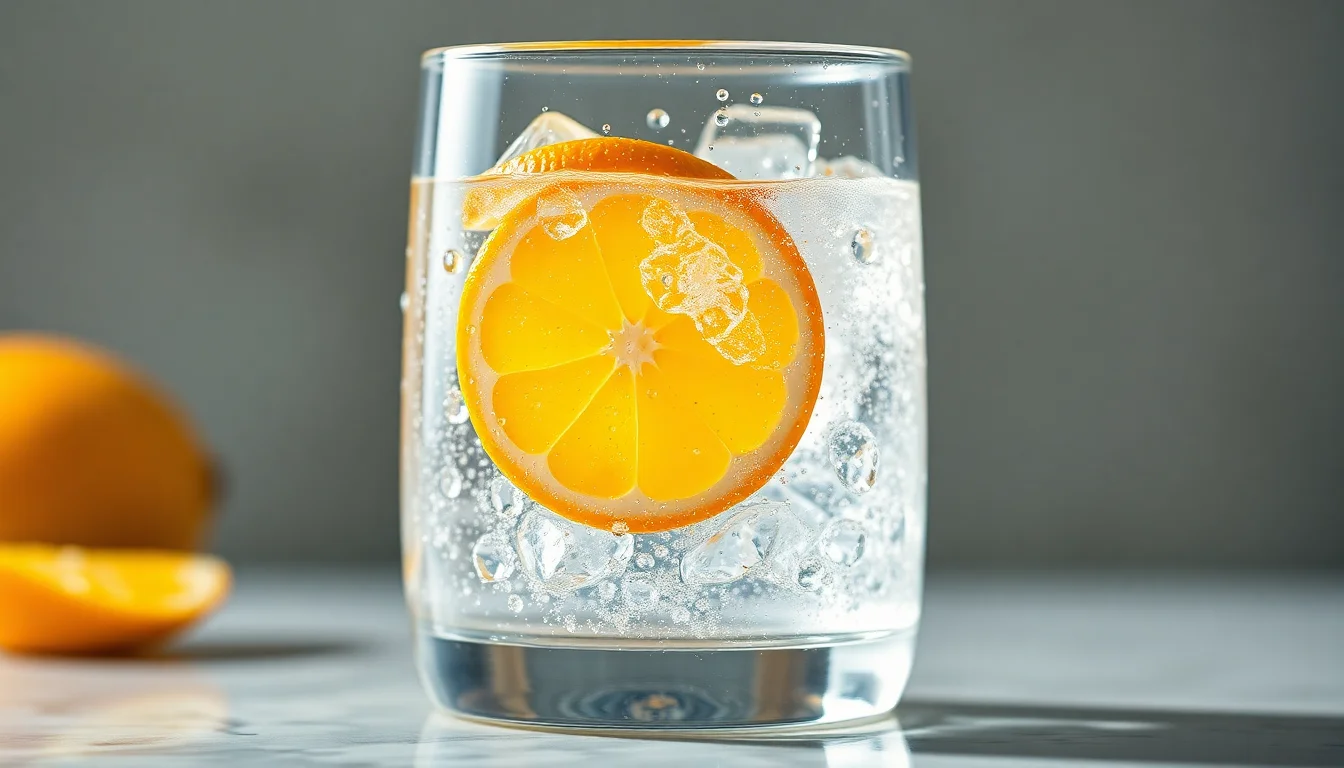
dl-Limonene is a citrusy-smelling chemical found in many household cleaners, air fresheners, and citrus-scented products. It’s the synthetic version of the natural compound found in orange peels. This versatile ingredient matters because it provides an affordable, consistent citrus note while also serving as a powerful solvent and degreaser in cleaning products.
Safety Profile
USE WITH AWARENESSWhat Does dl-Limonene (racemic) Smell Like?
dl-Limonene bursts with a bright, zesty orange peel character – like peeling a freshly picked navel orange with juice spraying into the air. The top note is intensely citrus-forward, with a slightly sharper, more synthetic edge than natural d-limonene. As it evolves, it reveals a faintly woody undertone and cleaner-like astringency. The dry-down is simple and linear, leaving behind a faint citrus-resin trace that disappears relatively quickly compared to more complex citrus materials.
In Famous Fragrances
Fragrance associations may not reflect actual formulations.
Used as an affordable citrus top note component that blends well with the lemon and bergamot, creating the signature fresh-unisex opening.
Provides sharp citrus punch in the opening accord, complementing the Sicilian lemon note while keeping production costs manageable.
2D Molecular Structure
SMILES: CC(=C)C1CCC(C)=CC1
Chemistry, Properties & Perfumer Guide
The Chemistry
dl-Limonene is a racemic mixture of the d- and l- forms of this monocyclic monoterpene. Unlike the d-isomer found in citrus oils, the synthetic version contains equal parts of both enantiomers. Industrially produced through acid-catalyzed dimerization of isoprene or from turpentine fractions, it’s one of the most volume-produced fragrance chemicals. The racemic nature affects both odor profile and physical properties compared to the natural d-isomer.
Physical & Chemical Properties
| Boiling Point | 175-176 °C |
|---|---|
| Density | 0.84 g/cm³ |
| Flash Point | 48 °C |
| Vapor Pressure | 1.5 mmHg at 20°C |
Perfumer Guide
| Application | Typical % | Range | Notes |
|---|---|---|---|
| Fine Fragrance | 1-5% | Up to 10% | Budget citrus modifier |
| Functional Fragrance | 5-15% | Up to 30% | Cleaning product bases |
Classic Accords
Tip: Use to extend more expensive citrus oils but balance with small amounts of terpenic materials to reduce harshness.
Alternatives & Comparisons
The natural isomer with rounder, juicier citrus character preferred when cost allows for higher quality citrus notes.
For more lemon-like citrus character with greater tenacity, though much more potent and potentially irritating.
Safety, Regulatory & Sustainability
⚠ Regulatory Disclaimer
General reference only. Consult current IFRA Standards Library before formulating.
IFRA Status
No IFRA restrictions. Listed as acceptable for all applications.
EU Allergen Declaration
Must be declared when present >0.1% in leave-on or >1% in rinse-off products (EU Regulation No. 1223/2009).
GHS Classification
RIFM Assessment
RIFM assessment confirms safe use at current levels with some precautions for skin exposure in leave-on products.
Sustainability
As a petrochemical derivative, dl-limonene has higher environmental impact than natural citrus-derived d-limonene. However, its synthetic production avoids agricultural land use and seasonal variability. Some manufacturers now produce it from renewable turpentine feedstocks rather than crude oil fractions.
Explore dl-Limonene (racemic)
Browse essential oils and aroma compounds.
Browse on iHerb →Affiliate disclosure: we may earn a small commission at no extra cost to you.
References
- Bickers et al. (2003). The safety assessment of fragrance materials. Regulatory Toxicology and Pharmacology. PMID 14623481
Data: PubChem (NIH), PubMed, RIFM, IFRA. Last reviewed: Apr 2026.
Report a data errorIngredient Data Sheet
CAS 138-86-3Physical Properties
| Molecular Weight | 136.23 g/mol🔬 PubChem |
| LogP (Octanol-Water) | 3.4🔬 PubChem |
| Boiling Point | 177.8 °C🔬 EPA CompTox |
| Vapor Pressure | 1.55 mmHg @ 25°C📊 OPERA |
| Flash Point | 46.1 °C🔬 EPA CompTox |
| Involatility Index | 0.1431💻 Calculated |
| log Kp (skin permeability) | -1.117💻 Calculated |
Volatility & Performance
| Fragrance Note | Top💻 Calculated |
| Volatility Class | Moderate💻 Calculated |
| Persistence Score | 0.5 / 5💻 Calculated |
Odor & Flavor
| Primary Descriptors | citrus• leffingwell |
| “clean odor, not reminiscent of Citrus fruits in Insoluble in water, soluble in alcohol, mis- particular, and not recalling any specific Pine cible with most oils.”📖 Arctander | |
Sensory Thresholds
| Odor Detection Threshold | 0.4652 ppm (n=8)📖 van Gemert |
Regulatory Status
| IFRA Listed | Yes — see IFRA Standards for category limits⚖️ IFRA 51 |
| EU Annex III | Listed (restricted)⚖️ IFRA 51 |
Physical data: PubChem (NIH/NLM), U.S. EPA CompTox Dashboard, EPA OPERA models, RDKit. Odor & flavor: Arctander (Perfume & Flavor Chemicals), Fenaroli's Handbook of Flavor Ingredients, Leffingwell. Thresholds: van Gemert (Compilations of Odour Threshold Values). Regulatory: IFRA Standards 51st, FEMA GRAS. Trade names: Surburg (Common Fragrance & Flavor Materials). All data compiled and cross-referenced for perfumertools.com.
Physicochemical Properties
DTXSID: DTXSID2029612
Physical Properties
| Molecular Weight | 136.238 g/mol🔬 EPA CompTox |
| Density | 0.842 g/cm^3🔬 PubChem |
| Boiling Point | 177.8 °C🔬 PubChem |
| Flash Point | 46.1 °C🔬 PubChem |
Partition & Solubility
| LogP (Octanol-Water) | 3.309 dimensionless💻 Computed |
Transport Properties
| Vapor Pressure | 1.55 mmHg🔬 PubChem |
Molecular Descriptors
| Topological Polar Surface Area | 0 Ų💻 Computed |
| H-Bond Donors | 0 count💻 Computed |
| H-Bond Acceptors | 0 count💻 Computed |
| Rotatable Bonds | 1 count💻 Computed |
| Aromatic Rings | 0 count💻 Computed |
Data Sources:
🔬 EPA Experimental data from U.S. EPA CompTox Chemicals Dashboard & CTX APIs. 📊 OPERA Predicted using EPA's OPERA QSAR models. 💻 Computed Calculated from SMILES using RDKit.
Related Research
- Ethanol, 2,2'-(methylimino)bis- (CAS 105-59-9) — Citrus N/A Note Fragrance Ingredient
- 3,4,5,6,6-Pentamethylhept-3-en-2-one (CAS 86115-11-9) — Woody Base Note Fragrance Ingredient
- Alcohols, C12-15, ethoxylated (CAS 68131-39-5) — Green N/A Note Fragrance Ingredient
- Ethyl levulinate (CAS 539-88-8) — Sweet Top to Middle Note Fragrance Ingredient