Galangal root oleoresin (CAS 8024-40-6) — Spicy Middle Note Fragrance Ingredient
Galangal root oleoresin
CAS 8024-40-6
What Is Galangal root oleoresin?
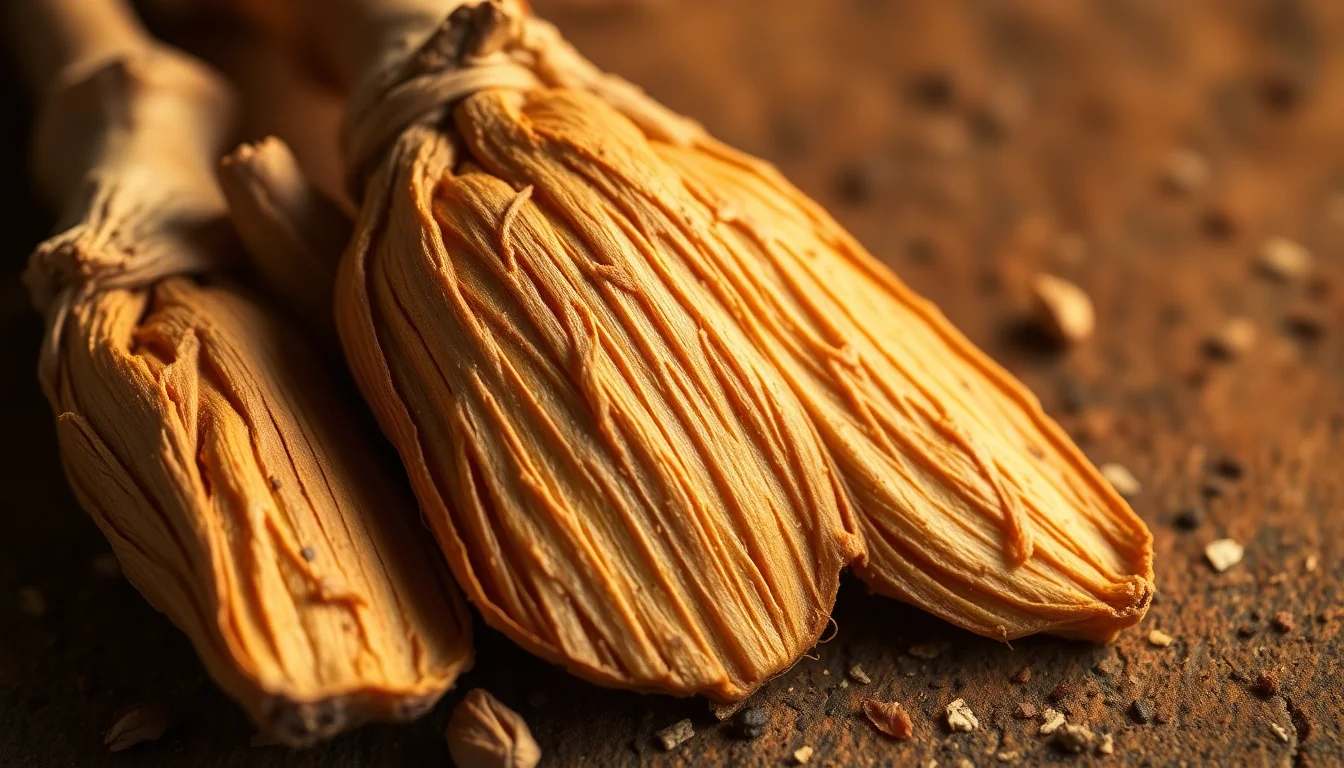
Galangal root oleoresin is a concentrated extract from the rhizomes of the Alpinia galanga plant, commonly used in Southeast Asian cuisine and traditional medicine. You’ll find it in ginger-like spice blends, herbal teas, and some artisanal perfumes. This warm, peppery ingredient bridges culinary and fragrance worlds, offering a more complex alternative to common ginger notes. Its rarity outside Asia makes it a prized material for niche perfumers seeking exotic spice accents.
Safety Profile
USE WITH AWARENESSWhat Does Galangal root oleoresin Smell Like?
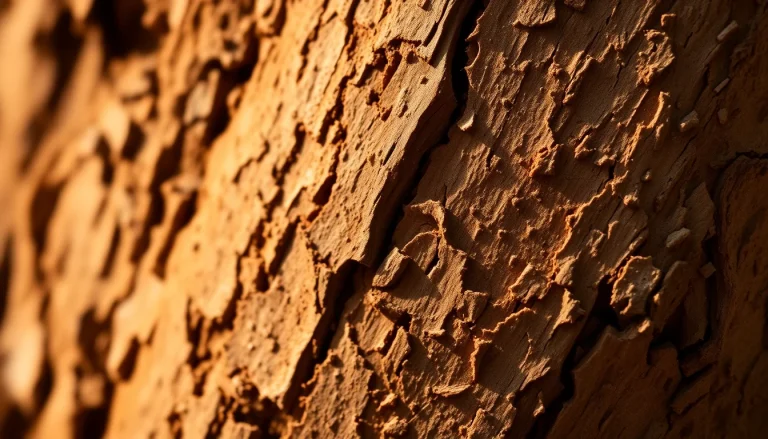
Galangal oleoresin erupts with a fiery, almost medicinal spice—like black pepper doused in pine sap. The top notes carry camphoraceous hints of eucalyptus and menthol, settling into a heart of warm gingerbread and lemongrass. Unlike common ginger, it develops woody-herbal undertones reminiscent of sandalwood shavings soaked in citrus oil. The dry-down reveals a dry, earthy complexity akin to antique parchment stored with cloves, leaving a persistent warmth that lingers like smoldering incense.
In Famous Fragrances
Fragrance associations may not reflect actual formulations.
Jean-Claude Ellena used galangal’s peppery warmth to contrast marine notes, creating a ‘spice market by the sea’ effect. The oleoresin’s dryness prevents the composition from becoming gourmand.
Galangal amplifies the peppercorn theme while adding woody depth. Its camphoraceous edge balances the composition’s sweetness, creating an illusion of spice sizzling on hot metal.
Andy Tauer employs galangal as an ‘amber catalyst,’ where its dry spice bridges resinous labdanum and citrus notes. The oleoresin’s roughness evokes desert winds carrying spice caravan aromas.
Chemistry, Properties & Perfumer Guide
The Chemistry
Galangal oleoresin contains over 100 identified compounds, with 1,8-cineole (eucalyptol) and α-pinene as major constituents. The characteristic warmth comes from gingerol analogues like galangol and alpinetin. Extraction typically involves supercritical CO2 or ethanol to preserve heat-sensitive sesquiterpenes. Unlike ginger oleoresin, it contains unique phenylpropanoids that contribute to its woody-camphoraceous character. The complexity varies significantly by origin—Thai varieties show higher citral content while Indonesian samples are richer in methyl cinnamate.
Physical & Chemical Properties
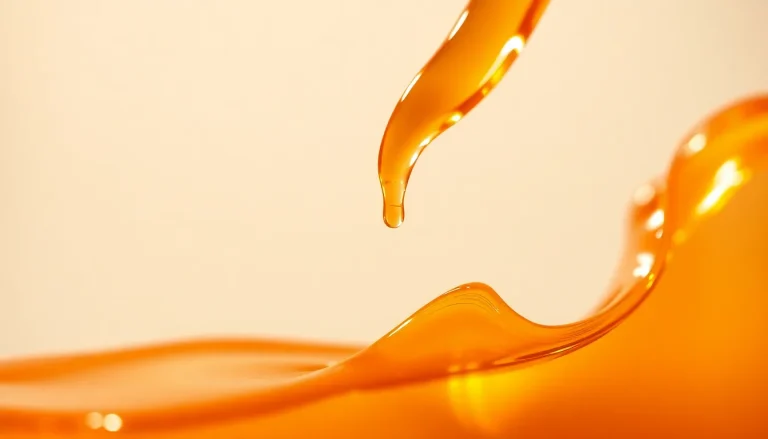
| Appearance | Viscous amber liquid |
|---|---|
| Solubility | Soluble in ethanol, poorly soluble in water |
Key Constituent Properties
| Constituent | CAS | MW | BP °C | XLogP | Vapor P. |
|---|---|---|---|---|---|
| 1,8-Cineole | 470-82-6 | 154.25 | 176°C | 2.8 | 1.6 mmHg |
| α-Pinene | 80-56-8 | 136.23 | 155°C | 4.3 | 4.5 mmHg |
Perfumer Guide
| Application | Typical % | Range | Notes |
|---|---|---|---|
| Fine Fragrance | 0.5-2% | Up to 5% | Used as spice modifier in oriental compositions |
| Functional Fragrance | 0.1-0.5% | Up to 1% | Adds warmth to masculine shower gels |
Classic Accords
Tip: Pre-dilute in ethanol (10%) to prevent crystallization in final formulas.
Alternatives & Comparisons
For brighter, fresher spice without galangal’s camphoraceous notes. Contains more zingiberene and citral.
When sharper pepperiness is needed. Lacks galangal’s woody complexity but provides stronger top-note impact.
Safety, Regulatory & Sustainability
⚠ Regulatory Disclaimer
General reference only. Consult current IFRA Standards Library before formulating.
IFRA Status
No IFRA restrictions. Contains potential allergens (limonene, linalool) below declaration thresholds.
EU Allergen Declaration
None above 0.01% in finished product
GHS Classification
RIFM Assessment
RIFM assessment ongoing (2023). Preliminary data suggests safe use at current industry levels.
Sustainability
Wild harvesting threatens some Alpinia species. Sustainable cultivation programs in Thailand now certify organic galangal. CO2 extraction has lower environmental impact than solvent methods. Each kg oleoresin requires ~50kg fresh rhizomes, driving research into tissue culture alternatives.
Explore Galangal root oleoresin
Browse essential oils and aroma compounds.
Browse on iHerb →Affiliate disclosure: we may earn a small commission at no extra cost to you.
References
- Jirovetz et al. (2003). Analysis of Galangal Oils. Journal of Essential Oil Research. DOI 10.1080/10412905.2003.9712106
Data: PubChem (NIH), PubMed, RIFM, IFRA. Last reviewed: Apr 2026.
Report a data errorIngredient Data Sheet
CAS 8024-40-6Physical data: PubChem (NIH/NLM), U.S. EPA CompTox Dashboard, EPA OPERA models, RDKit. Odor & flavor: Arctander (Perfume & Flavor Chemicals), Fenaroli's Handbook of Flavor Ingredients, Leffingwell. Thresholds: van Gemert (Compilations of Odour Threshold Values). Regulatory: IFRA Standards 51st, FEMA GRAS. Trade names: Surburg (Common Fragrance & Flavor Materials). All data compiled and cross-referenced for perfumertools.com.
Related Research
- Tolualdehydes (mixed o,m,p) (CAS 1334-78-7) — Sweet Top to Heart Note Fragrance Ingredient
- 4-Acetoxy-3-ethoxybenzaldehyde (CAS 72207-94-4) — Woody Middle Note Fragrance Ingredient
- Alkanes, C13-16-iso- (CAS 68551-20-2) — Citrus Carrier Note Fragrance Ingredient
- Phenylethyl 2-methylbutyrate (CAS 24817-51-4) — Sweet Top to Middle Note Fragrance Ingredient