Tea leaf absolute (CAS 950854-40-7) — Green Heart to base Note Fragrance Ingredient
Tea leaf absolute
CAS 950854-40-7
What Is Tea leaf absolute?
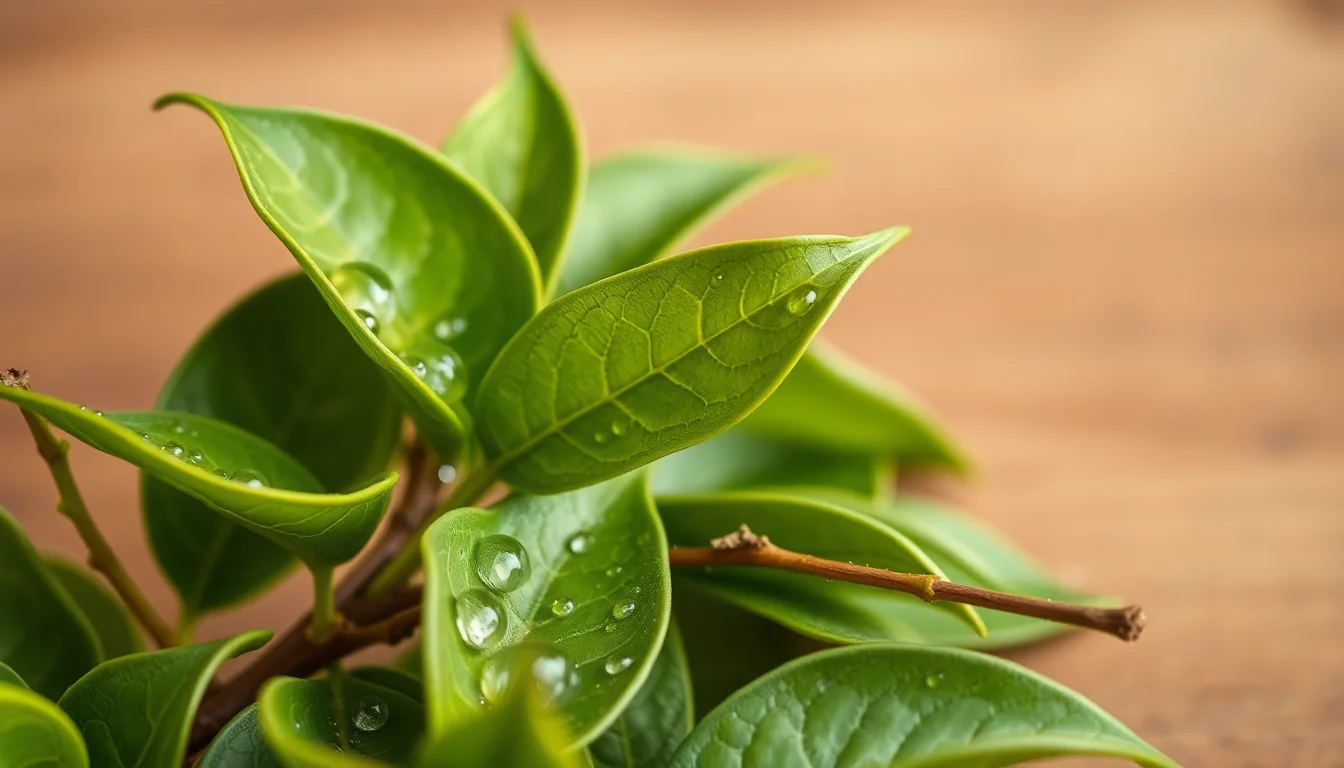
Tea leaf absolute is a luxurious fragrance material extracted from the leaves of the Camellia sinensis plant, the same species used for drinking tea. You’ll encounter its aroma in high-end perfumes, candles, and body care products. This ingredient matters because it captures the sophisticated green freshness of tea leaves with an earthy, slightly smoky depth that adds complexity to fragrances. It bridges the gap between crisp citrus top notes and warm woody bases.
Safety Profile
USE WITH AWARENESSWhat Does Tea leaf absolute Smell Like?
Tea leaf absolute opens with a brisk, almost tannic greenness reminiscent of freshly steeped black tea leaves – slightly astringent with hints of dried hay. As it evolves, it reveals a honeyed floral heart with whispers of osmanthus and dried tobacco. The dry-down is remarkably persistent, leaving a warm, leathery-woody trail with just a ghost of smoke. Unlike fresh tea notes, this absolute carries the weight of sun-dried leaves, evoking both Japanese matcha ceremonies and English tea rooms.
In Famous Fragrances
Fragrance associations may not reflect actual formulations.
The tea leaf absolute here creates the signature transparent green tea illusion, blended with citrus and violet leaf for a refreshing yet sophisticated effect.
Used to replicate the smoky Lapsang Souchong tea note, the absolute’s earthy facets amplify the fragrance’s cozy, fireside tobacco character.
Chemistry, Properties & Perfumer Guide
The Chemistry
Tea leaf absolute is obtained through solvent extraction of Camellia sinensis leaves, concentrating both volatile and non-volatile compounds. While composition varies by cultivar and processing, key odorants include theaspirane (woody, tea-like), damascenone (fruity-floral), and various pyrazines (earthy, green). The extraction process preserves delicate tea lactones and catechins that contribute to its characteristic astringent quality. Unlike steam-distilled tea oil, the absolute retains heavier molecules responsible for its leathery depth.
Physical & Chemical Properties
| Appearance | Dark green viscous liquid |
|---|---|
| Solubility | Soluble in alcohol, oils; insoluble in water |
Key Constituent Properties
| Constituent | CAS | MW | BP °C | XLogP | Vapor P. |
|---|---|---|---|---|---|
| Theaspirane | 36431-72-8 | 194.31 | 270 °C | 3.8 | 0.001 mmHg |
Perfumer Guide
| Application | Typical % | Range | Notes |
|---|---|---|---|
| Fine Fragrance | 0.5-2% | Up to 5% | Adds tea character without excessive greenness |
| Candles | 1-3% | Up to 8% | Provides dry, sophisticated tea note |
Classic Accords
Tip: Use with trace amounts of coumarin to enhance the dried leaf character.
Alternatives & Comparisons
When a more herbaceous, medicinal tea note is desired. Has stronger hay-like characteristics.
Safety, Regulatory & Sustainability
⚠ Regulatory Disclaimer
General reference only. Consult current IFRA Standards Library before formulating.
IFRA Status
No restrictions under IFRA 49th Amendment. Classified as a natural complex substance.
EU Allergen Declaration
Contains trace amounts of limonene (<0.01%) – below declaration threshold.
GHS Classification
RIFM Assessment
RIFM assessment complete – safe at current use levels with no evidence of phototoxicity.
Sustainability
Sourced primarily from organic tea plantations in China and Japan. The solvent extraction process yields about 0.5kg absolute per 100kg leaves. Some producers are developing CO2 extraction methods to reduce solvent use. Considered sustainable as tea leaves are a renewable byproduct of the beverage industry.
Explore Tea leaf absolute
Browse essential oils and aroma compounds.
Browse on iHerb →Affiliate disclosure: we may earn a small commission at no extra cost to you.
References
- Kumazawa K. et al. (2006). Flavor Chemistry of Tea and Coffee. Journal of Agricultural and Food Chemistry. PMID 16448188
Data: PubChem (NIH), PubMed, RIFM, IFRA. Last reviewed: Apr 2026.
Report a data errorIngredient Data Sheet
CAS 950854-40-7Physical data: PubChem (NIH/NLM), U.S. EPA CompTox Dashboard, EPA OPERA models, RDKit. Odor & flavor: Arctander (Perfume & Flavor Chemicals), Fenaroli's Handbook of Flavor Ingredients, Leffingwell. Thresholds: van Gemert (Compilations of Odour Threshold Values). Regulatory: IFRA Standards 51st, FEMA GRAS. Trade names: Surburg (Common Fragrance & Flavor Materials). All data compiled and cross-referenced for perfumertools.com.