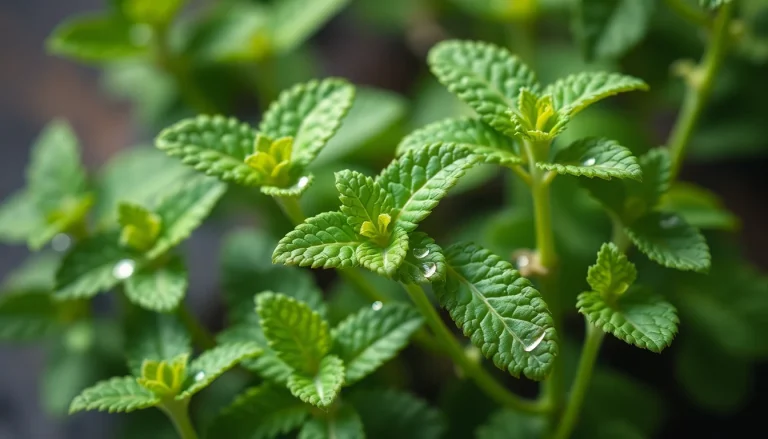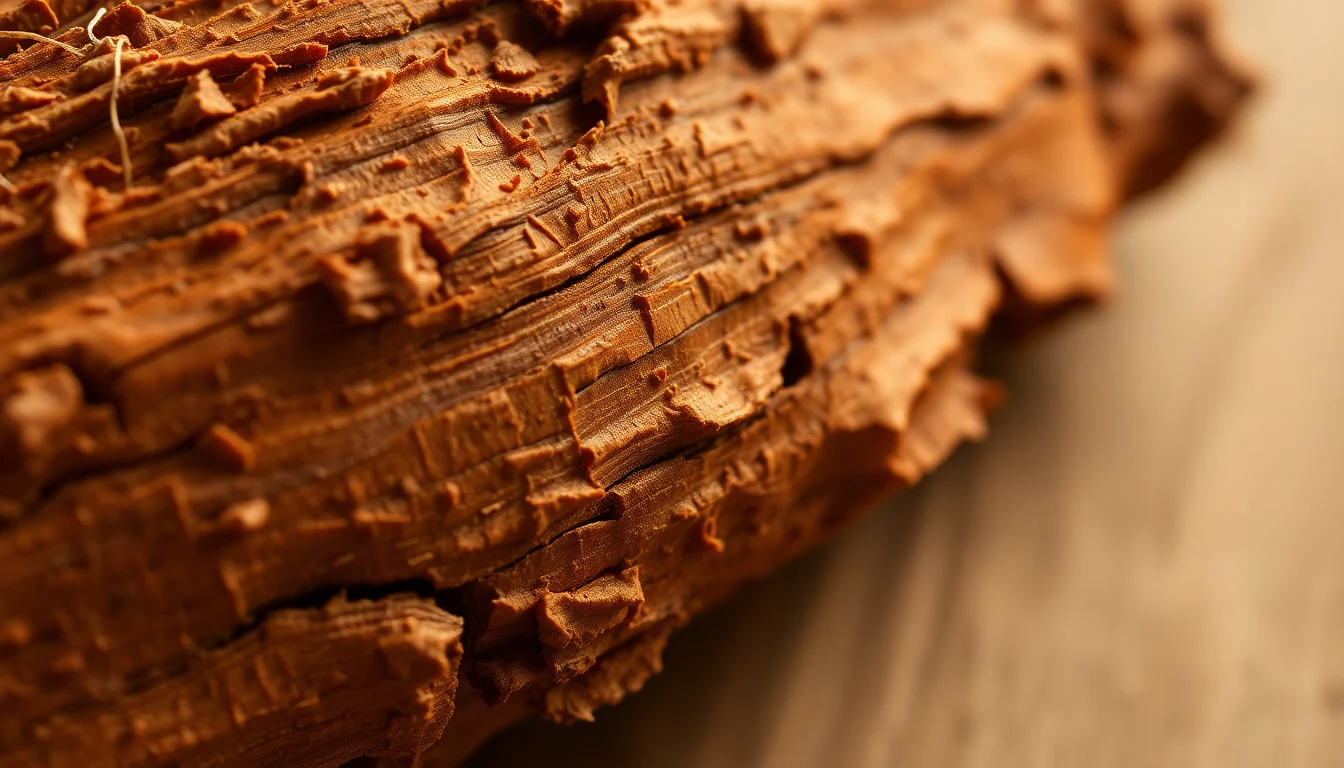
Vetiver oil, acetylated, distilled (CAS 68917-34-0) — Woody Base to middle Note Fragrance Ingredient
Vetiver oil, acetylated, distilled
CAS 68917-34-0
What Is Vetiver oil, acetylated, distilled?
Acetylated vetiver oil is a refined version of traditional vetiver oil, often found in premium perfumes and colognes. It undergoes a chemical process to enhance its woody and smoky characteristics while reducing harshness. This ingredient matters because it adds depth to fragrances, creating sophisticated earthy accords that last throughout the wear.
Safety Profile
GENERALLY SAFEWhat Does Vetiver oil, acetylated, distilled Smell Like?
Acetylated vetiver oil opens with a refined smoky-woody character, like charred cedar planks drizzled with honey. The heart reveals damp earth after rain, with a whisper of dry tobacco leaves. As it dries down, it transforms into a velvety ambery base with hints of roasted nuts. Unlike raw vetiver, the acetylation process rounds off the rough edges, creating a smoother progression from sharp to creamy.
In Famous Fragrances
Fragrance associations may not reflect actual formulations.
Used as an earthy anchor that blends with the mineral flint accord, adding warmth to the citrus top notes without overwhelming them.
Provides the signature ink-like darkness, softened by the acetylation to prevent excessive harshness in this minimalist composition.
The acetylated version creates a bridge between the raw Haitian vetiver and synthetic sandalwood notes, adding dimensionality.
Chemistry, Properties & Perfumer Guide
The Chemistry
Acetylated vetiver oil is produced through esterification of natural vetiver oil constituents, primarily targeting vetiverols. The process converts hydroxyl groups into acetate esters, increasing volatility and altering odor characteristics. Modern production uses molecular distillation after acetylation to isolate the most desirable fractions. This creates a more consistent product than traditional vetiver oil, which varies by harvest conditions.
Physical & Chemical Properties
| Appearance | Pale yellow to amber liquid |
|---|---|
| Solubility | Soluble in alcohol and oils |
| Flash Point | >100 °C (estimated) |
Perfumer Guide
| Application | Typical % | Range | Notes |
|---|---|---|---|
| Fine Fragrance | 1-3% | Up to 5% | Adds earthy sophistication |
| Home Fragrance | 0.5-2% | Up to 3% | Used in diffuser blends |
Classic Accords
Tip: Use as a fixative for citrus top notes to extend their lifespan in the fragrance pyramid.
Alternatives & Comparisons
A single-molecule alternative with cleaner vetiver character but less complexity.
Safety, Regulatory & Sustainability
⚠ Regulatory Disclaimer
General reference only. Consult current IFRA Standards Library before formulating.
IFRA Status
Not restricted under current IFRA standards (51st Amendment).
RIFM Assessment
Considered safe as used in fragrance compositions according to RIFM evaluations.
Sustainability
While derived from a renewable resource (vetiver grass), the acetylation process requires chemical inputs. Some producers implement carbon-neutral distillation methods. Synthetic alternatives exist but lack the natural complexity. Vetiver cultivation helps prevent soil erosion in farming regions.
Explore Vetiver oil, acetylated, distilled
Browse essential oils and aroma compounds.
Browse on iHerb →Affiliate disclosure: we may earn a small commission at no extra cost to you.
References
- Sell C. (2006). The Chemistry of Fragrances. RSC Publishing. ISBN 9780854048243
Data: PubChem (NIH), PubMed, RIFM, IFRA. Last reviewed: Apr 2026.
Report a data errorIngredient Data Sheet
CAS 68917-34-0Regulatory Status
| IFRA Listed | Yes — see IFRA Standards for category limits⚖️ IFRA 51 |
Physical data: PubChem (NIH/NLM), U.S. EPA CompTox Dashboard, EPA OPERA models, RDKit. Odor & flavor: Arctander (Perfume & Flavor Chemicals), Fenaroli's Handbook of Flavor Ingredients, Leffingwell. Thresholds: van Gemert (Compilations of Odour Threshold Values). Regulatory: IFRA Standards 51st, FEMA GRAS. Trade names: Surburg (Common Fragrance & Flavor Materials). All data compiled and cross-referenced for perfumertools.com.
Related Research
- Isobornyl 2-methylpropionate (CAS 85586-67-0) — Woody Middle Note Fragrance Ingredient
- 4-Methoxy-alpha-methylbenzenepropanal (CAS 5462-06-06) — Sweet Heart Note Fragrance Ingredient
- alpha-Amylcinnamaldehyde-methyl anthranilate (Schiff base) (CAS 68527-78-6) — Floral Middle to base Note Fragrance Ingredient
- Frankincense Oil (CAS 8016-36-2) — Balsamic Top Note Fragrance Ingredient