Garlic oil (CAS 8000-78-0) — Spicy Top/Heart Note Fragrance Ingredient
Garlic oil
CAS 8000-78-0
What Is Garlic oil?
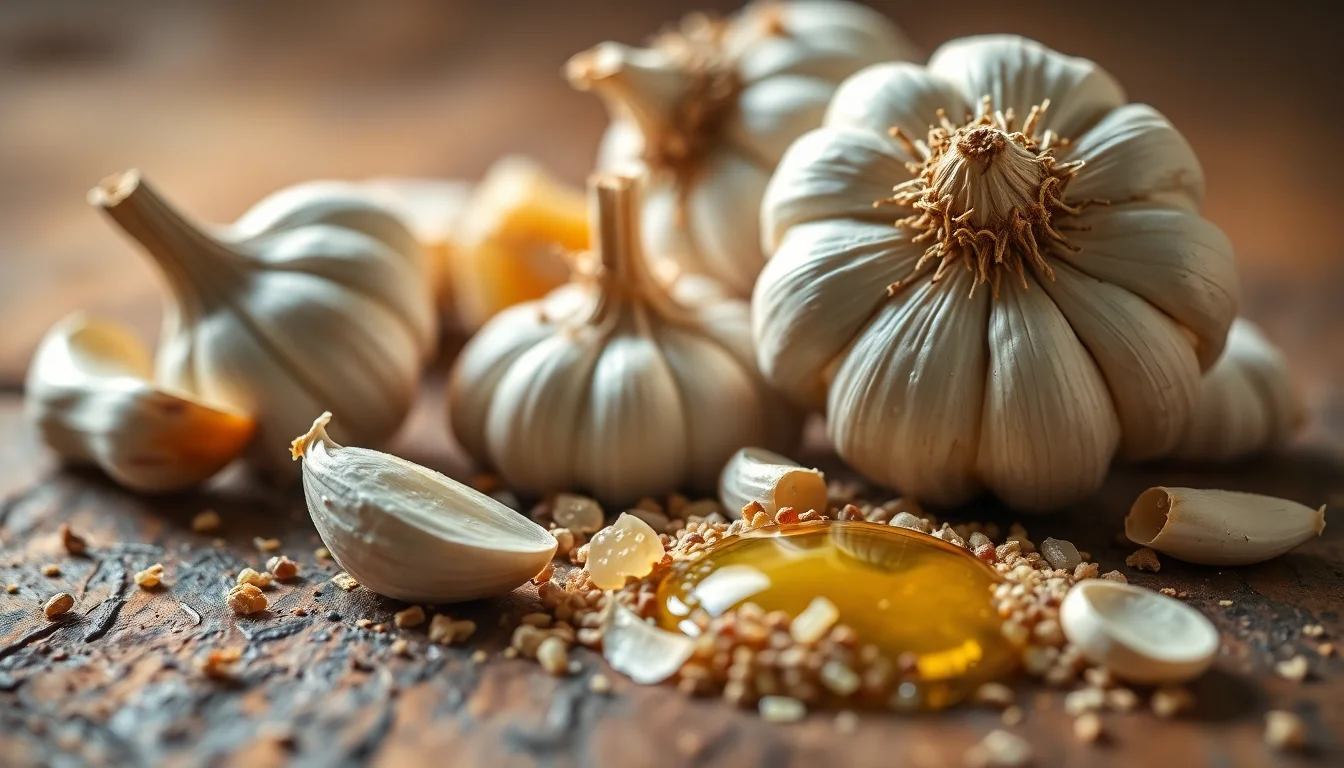
Garlic oil is a potent essential oil derived from Allium sativum bulbs, commonly encountered in cooking and traditional medicine. Its strong, pungent aroma makes it unmistakable in kitchens worldwide. This oil matters in perfumery for adding depth to savory accords and creating unconventional, bold fragrance profiles that challenge traditional floral or citrus compositions.
Safety Profile
USE WITH AWARENESSWhat Does Garlic oil Smell Like?
Garlic oil erupts with an intensely pungent, sulfurous blast reminiscent of crushed cloves and kitchen preparations. The initial sharpness carries metallic undertones that evolve into a warm, savory heart with umami depth. Dry-down reveals lingering animalic notes and a peculiar sweetness akin to roasted onions. This challenging material requires expert handling but can add incredible realism to gourmand or avant-garde compositions.
In Famous Fragrances
Fragrance associations may not reflect actual formulations.
Used minimally to amplify the controversial blood-like metallic notes, creating an unsettling realism in this provocative fragrance.
Garlic oil adds a savory counterpoint to the spicy pepper accord, creating unexpected culinary depth.
Chemistry, Properties & Perfumer Guide
The Chemistry
Garlic oil contains numerous sulfur compounds including allicin (diallyl thiosulfinate), diallyl disulfide, and ajoene. These organosulfur molecules form when garlic cells are damaged, releasing alliinase enzymes that convert alliin to volatile compounds. The oil’s characteristic odor comes primarily from these reactive sulfur species, which are unstable and continue transforming after extraction.
Physical & Chemical Properties
| Appearance | Pale yellow liquid |
|---|---|
| Odor Strength | Extremely high |
Perfumer Guide
| Application | Typical % | Range | Notes |
|---|---|---|---|
| Fine Fragrance | 0.01-0.1% | Up to 0.5% | Used as an accent note |
| Functional Fragrance | 0.001-0.01% | Trace amounts | Masking agent |
Classic Accords
Tip: Dilute to 1% or lower before incorporating to prevent overwhelming the composition.
Alternatives & Comparisons
Provides similar sulfury notes but with less intensity and more sweetness, suitable when a softer effect is desired.
Safety, Regulatory & Sustainability
⚠ Regulatory Disclaimer
General reference only. Consult current IFRA Standards Library before formulating.
IFRA Status
No specific IFRA restrictions, but general guidelines recommend low usage due to potency.
EU Allergen Declaration
Contains diallyl disulfide and other potential sensitizers – may require allergen declaration.
GHS Classification
RIFM Assessment
RIFM recommends maximum dermal exposure of 0.02% based on skin sensitization potential.
Sustainability
Garlic cultivation has low environmental impact, but oil extraction yields are poor (approximately 0.1-0.2% from fresh bulbs). Most commercial production comes from China using steam distillation. Synthetic sulfur compounds can replicate some effects with greater consistency and lower agricultural footprint.
Explore Garlic oil
Browse essential oils and aroma compounds.
Browse on iHerb →Affiliate disclosure: we may earn a small commission at no extra cost to you.
References
- Block E. (2010). Garlic and Other Alliums: The Lore and the Science. Royal Society of Chemistry. ISBN 9780854041909
- Lawson LD. (1996). The composition and chemistry of garlic cloves and processed garlic. ACS Symposium Series. DOI 10.1021/bk-1996-0637.ch001
Data: PubChem (NIH), PubMed, RIFM, IFRA. Last reviewed: Apr 2026.
Report a data errorIngredient Data Sheet
CAS 8000-78-0Odor & Flavor
| Obtained in 0.1 to 0.2% yields by steam distillation of the crushed bulbs or cloves; sometimes the whole plant is distilled. The essential oil has an extremely intense odor to a certain degree reminiscent of garlic, but with a mercaptan-like note.📖 Fenaroli |
Regulatory Status
| IOFI Classification | Natural📖 Fenaroli |
Physical data: PubChem (NIH/NLM), U.S. EPA CompTox Dashboard, EPA OPERA models, RDKit. Odor & flavor: Arctander (Perfume & Flavor Chemicals), Fenaroli's Handbook of Flavor Ingredients, Leffingwell. Thresholds: van Gemert (Compilations of Odour Threshold Values). Regulatory: IFRA Standards 51st, FEMA GRAS. Trade names: Surburg (Common Fragrance & Flavor Materials). All data compiled and cross-referenced for perfumertools.com.
Related Research
- 3,7-Dimethyl-6-octenoic acid (CAS 502-47-6) — Citrus Top Note Fragrance Ingredient
- Citrus terpenes (CAS 68608-34-4) — Citrus Top Note Fragrance Ingredient
- 2-Hexylcyclopentanone (CAS 13074-65-2) — Green Middle-top Note Fragrance Ingredient
- Diisobutyl adipate (CAS 0141-04-08) — Sweet Base Note Fragrance Ingredient