Guaiac wood oil (CAS 8016-23-7) — Woody Base Note Fragrance Ingredient
Guaiac wood oil
CAS 8016-23-7
What Is Guaiac wood oil?
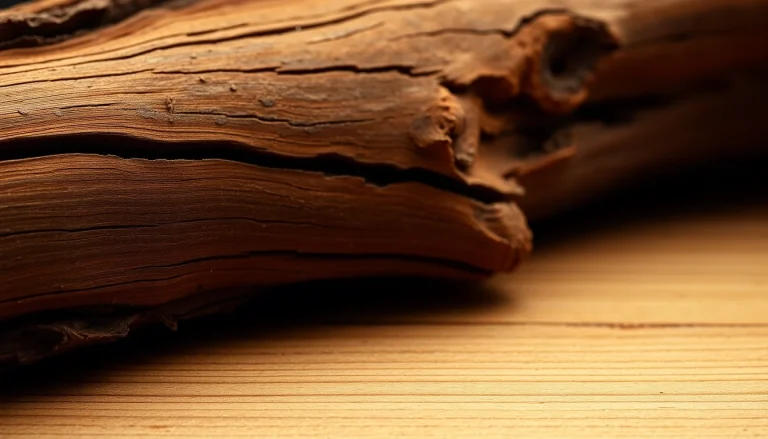
Guaiac wood oil is a natural essential oil derived from the wood of the guaiacum tree. It is commonly encountered in perfumes, soaps, and aromatherapy products. This oil is valued for its warm, woody, and slightly smoky aroma, which adds depth and complexity to fragrances. It matters because it provides a natural, sustainable alternative to synthetic woody notes, and its unique scent profile is difficult to replicate artificially.
Safety Profile
GENERALLY SAFEWhat Does Guaiac wood oil Smell Like?
Guaiac wood oil opens with a warm, slightly smoky woody note, reminiscent of burning embers in a distant fireplace. The heart reveals a creamy, balsamic undertone with hints of tea-like freshness. Over time, it dries down to a soft, powdery woodiness that lingers subtly on the skin. The evolution is smooth, transitioning from smoky to creamy to powdery, making it a versatile base note in perfumery.
In Famous Fragrances
Fragrance associations may not reflect actual formulations.
Guaiac wood oil adds a warm, woody depth to the floral bouquet, balancing the aldehydes and enhancing the longevity of the fragrance.
Used to create a sophisticated woody base, complementing the iris and cocoa notes for a modern masculine scent.
Chemistry, Properties & Perfumer Guide
The Chemistry
Guaiac wood oil is primarily composed of guaiol and bulnesol, both sesquiterpene alcohols. These compounds contribute to its woody, balsamic aroma. The oil is obtained through steam distillation of the heartwood of the guaiacum tree. The presence of these sesquiterpenes makes the oil relatively stable and long-lasting in fragrances.
Physical & Chemical Properties
| Boiling Point | N/A |
|---|---|
| Density | N/A |
Perfumer Guide
| Application | Typical % | Range | Notes |
|---|---|---|---|
| Fine Fragrance | 1-5% | Up to 10% | Adds woody depth and longevity |
| Soap | 0.5-2% | Up to 5% | Provides a warm, woody note |
Classic Accords
Tip: Use guaiac wood oil to add warmth and depth to woody and oriental fragrances.
Alternatives & Comparisons
A more expensive alternative with a creamier, sweeter woody note, ideal for luxury fragrances.
A more affordable alternative with a drier, sharper woody note, suitable for masculine scents.
Safety, Regulatory & Sustainability
⚠ Regulatory Disclaimer
General reference only. Consult current IFRA Standards Library before formulating.
IFRA Status
No IFRA restrictions apply to guaiac wood oil.
EU Allergen Declaration
Guaiac wood oil is not listed as an EU allergen.
RIFM Assessment
RIFM has assessed guaiac wood oil as safe for use in current practices.
Sustainability
Guaiac wood oil is sourced from the heartwood of the guaiacum tree, which is harvested sustainably in tropical regions. The tree is slow-growing, making sustainable sourcing practices essential. Synthetic alternatives are available but lack the complexity of the natural oil.
Explore Guaiac wood oil
Browse essential oils and aroma compounds.
Browse on iHerb →Affiliate disclosure: we may earn a small commission at no extra cost to you.
References
Data: PubChem (NIH), PubMed, RIFM, IFRA. Last reviewed: Apr 2026.
Report a data errorIngredient Data Sheet
CAS 8016-23-7Odor & Flavor
| The oil is obtained by steam distillation of chipped wood of B. sarmienti in approximately 3% yields. It has a woody, rose-like odor reminiscent of tea rose. Sometimes the oil exhibits a smoky note.📖 Fenaroli |
Regulatory Status
| IOFI Classification | Natural📖 Fenaroli |
Physical data: PubChem (NIH/NLM), U.S. EPA CompTox Dashboard, EPA OPERA models, RDKit. Odor & flavor: Arctander (Perfume & Flavor Chemicals), Fenaroli's Handbook of Flavor Ingredients, Leffingwell. Thresholds: van Gemert (Compilations of Odour Threshold Values). Regulatory: IFRA Standards 51st, FEMA GRAS. Trade names: Surburg (Common Fragrance & Flavor Materials). All data compiled and cross-referenced for perfumertools.com.
Related Research
- Siparuna guianensis oil (CAS 845276-94-0) — Green Heart to Base Note Fragrance Ingredient
- Gamma-Nonalactone (CAS 104-61-0) — Sweet Top Note Fragrance Ingredient
- Peppermint oil, terpeneless (CAS 68606-97-3) — Spicy Top to Middle Note Fragrance Ingredient
- Dihydro-alpha-ionone (CAS 31499-72-6) — Woody Heart to base Note Fragrance Ingredient