Coffee bean extract (CAS 8001-67-0) — Woody Middle to base Note Fragrance Ingredient
Coffee bean extract
CAS 8001-67-0
What Is Coffee bean extract?
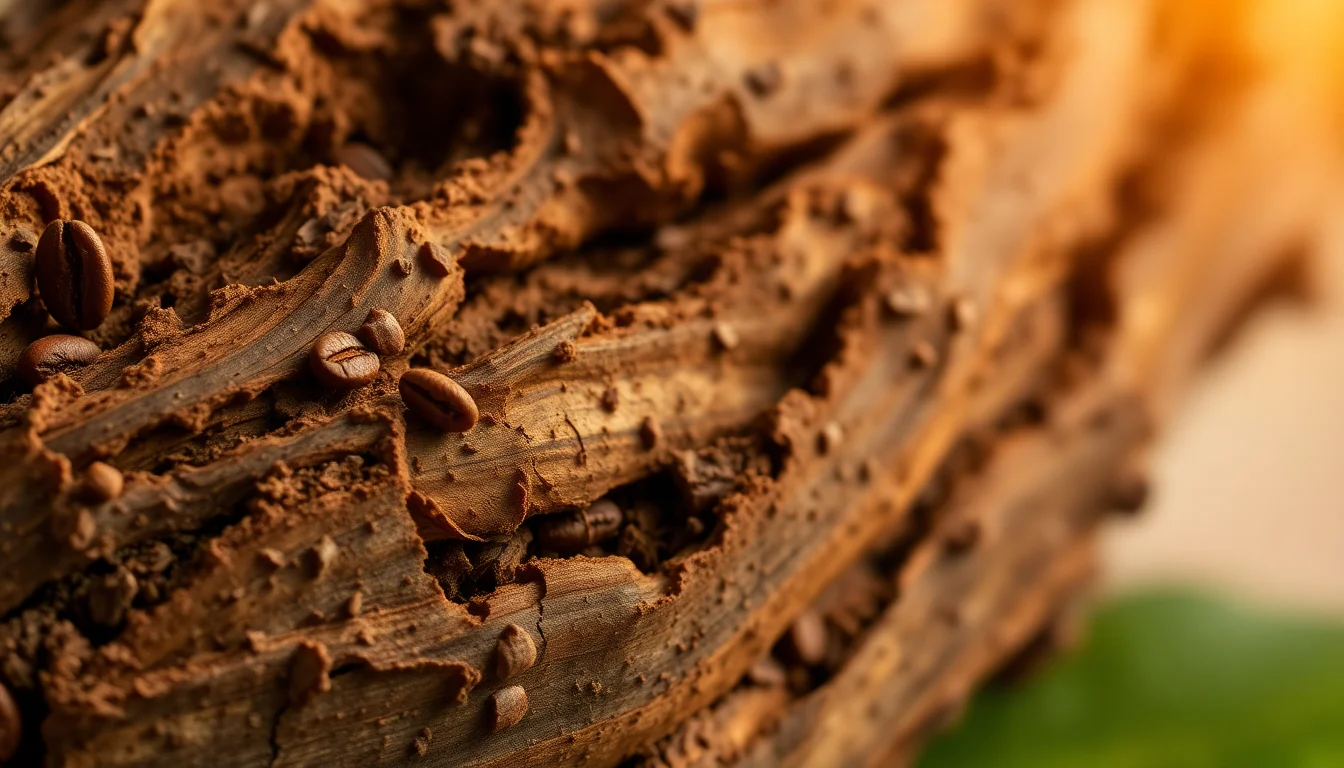
Coffee bean extract is a concentrated form of coffee aroma, commonly found in perfumes, candles, and body care products. It captures the rich, roasted essence of coffee beans. This ingredient matters because it adds a warm, comforting, and slightly addictive quality to fragrances, evoking memories of freshly brewed coffee and cozy moments.
Safety Profile
GENERALLY SAFEWhat Does Coffee bean extract Smell Like?
Coffee bean extract delivers an intense, roasted aroma with deep earthy undertones. The initial burst is smoky and slightly bitter, reminiscent of dark chocolate. As it settles, the heart reveals a creamy, almost caramel-like sweetness. The dry-down is warm and lingering, with a subtle nutty character that adds complexity. Like a freshly brewed espresso, it evolves from sharp and invigorating to smooth and comforting.
In Famous Fragrances
Fragrance associations may not reflect actual formulations.
Used to create a addictive, gourmand base that contrasts with white florals, adding depth and warmth.
Enhances the fragrance’s bold, masculine character with a rich coffee accord that balances patchouli and vanilla.
Chemistry, Properties & Perfumer Guide
The Chemistry
Coffee bean extract is a complex mixture of volatile compounds including caffeine, trigonelline, and various pyrazines. The roasting process generates key aroma molecules like furans and thiols. Synthetic versions often focus on recreating the dominant roasted notes using furfuryl mercaptan and other sulfur compounds.
Physical & Chemical Properties
| Appearance | Dark brown liquid |
|---|---|
| Solubility | Soluble in alcohol and oils |
Perfumer Guide
| Application | Typical % | Range | Notes |
|---|---|---|---|
| Fine Fragrance | 1-5% | Up to 10% | Adds warmth and gourmand character |
| Candles | 3-7% | Up to 15% | Creates a rich, inviting atmosphere |
Classic Accords
Tip: Use sparingly as it can overpower other notes; blends well with sweet and spicy ingredients.
Alternatives & Comparisons
A more concentrated form with deeper roasted notes, ideal for richer fragrances.
A synthetic alternative that captures the sharp, roasted coffee aroma without the complexity.
Safety, Regulatory & Sustainability
⚠ Regulatory Disclaimer
General reference only. Consult current IFRA Standards Library before formulating.
IFRA Status
No restrictions under current IFRA standards.
EU Allergen Declaration
None known.
RIFM Assessment
Considered safe for use in fragrances by RIFM.
Sustainability
Coffee bean extract is typically sourced from coffee-producing regions, primarily Latin America and Africa. Sustainable practices include fair trade sourcing and organic farming methods. Synthetic alternatives can reduce environmental impact by avoiding agricultural water use and deforestation associated with coffee farming.
Explore Coffee bean extract
Browse essential oils and aroma compounds.
Browse on iHerb →Affiliate disclosure: we may earn a small commission at no extra cost to you.
References
- Flament, I. (2002). Coffee Flavor Chemistry. Wiley. ISBN 978-0-471-72038-6
Data: PubChem (NIH), PubMed, RIFM, IFRA. Last reviewed: Apr 2026.
Report a data errorIngredient Data Sheet
CAS 8001-67-0Physical data: PubChem (NIH/NLM), U.S. EPA CompTox Dashboard, EPA OPERA models, RDKit. Odor & flavor: Arctander (Perfume & Flavor Chemicals), Fenaroli's Handbook of Flavor Ingredients, Leffingwell. Thresholds: van Gemert (Compilations of Odour Threshold Values). Regulatory: IFRA Standards 51st, FEMA GRAS. Trade names: Surburg (Common Fragrance & Flavor Materials). All data compiled and cross-referenced for perfumertools.com.
Related Research
- Patchouli Oil (CAS 8014-09-03) — Woody Base Note Fragrance Ingredient
- Allyl (cyclohexyloxy)acetate (CAS 68901-15-5) — Green Top Note Fragrance Ingredient
- Saccharin (CAS 81-07-2) — Sweet N/A Note Fragrance Ingredient
- 1,2,3,4,4a,5,6,7-Octahydro-2,5,5-trimethyl-2-naphthalenol (CAS 41199-19-3) — Woody Base Note Fragrance Ingredient