Jambu absolute (CAS 90131-24-1) — Green Top to heart Note Fragrance Ingredient
Jambu absolute
CAS 90131-24-1
What Is Jambu absolute?
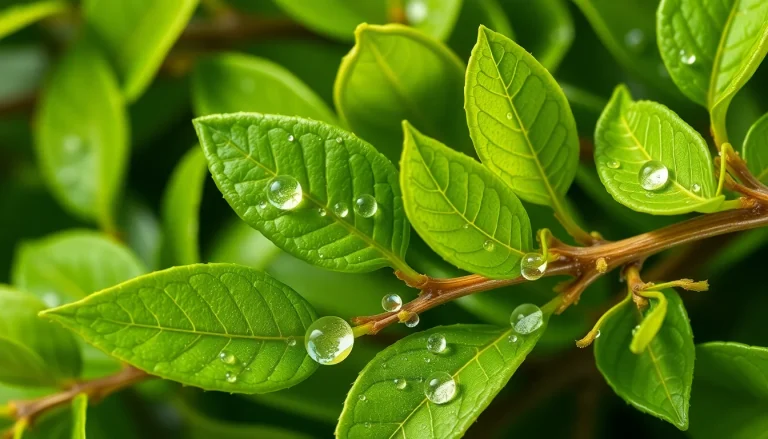
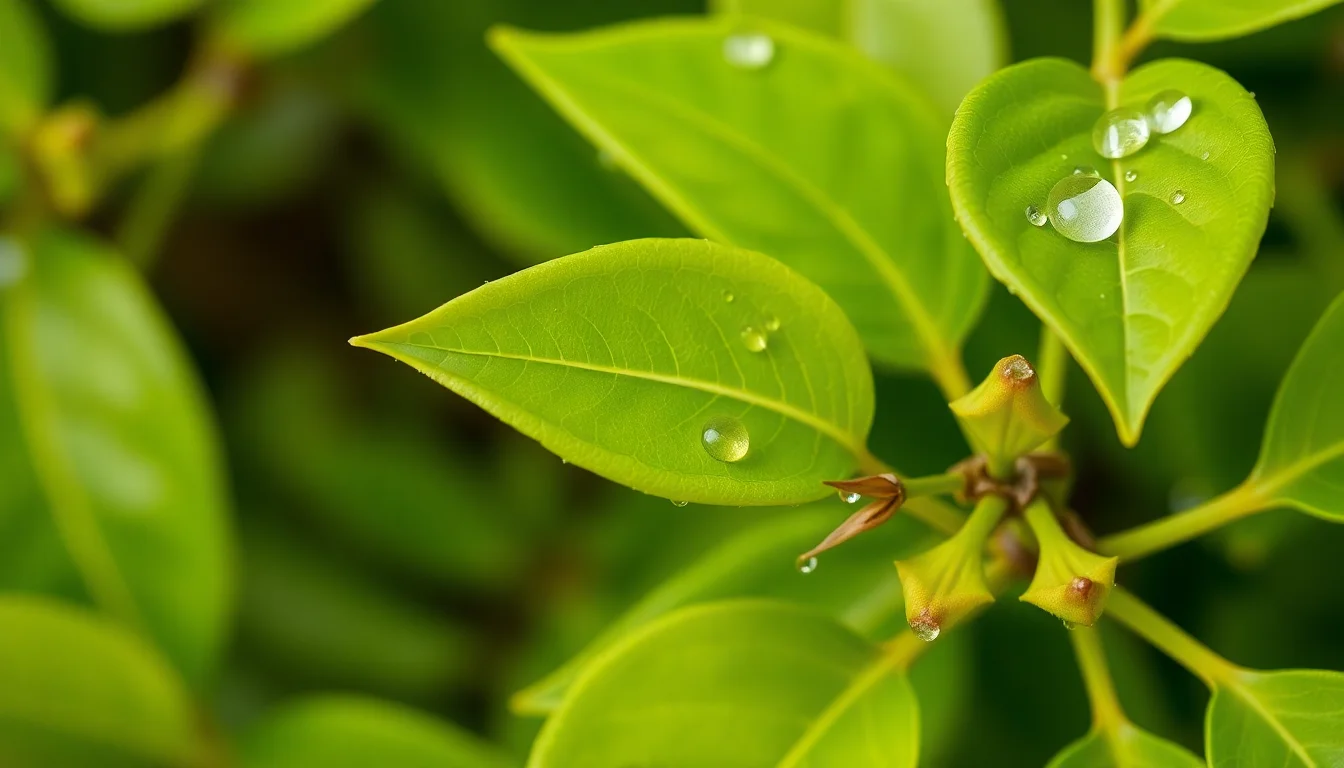
Jambu absolute is a rare, natural fragrance material derived from the leaves of the Jambu plant (Acmella oleracea), native to the Amazon. It’s occasionally found in niche perfumery and botanical skincare. This ingredient matters for its unique tingling sensation and fresh, green aroma that perfumers use to create surprising accords.
Safety Profile
USE WITH AWARENESSWhat Does Jambu absolute Smell Like?
Jambu absolute bursts with an electrifying green freshness reminiscent of crushed mint leaves and young bamboo shoots. The initial impression carries a peculiar tingling sensation, like morning dew on grass with subtle citrus undertones. As it evolves, a deeper herbal character emerges – think fresh-cut parsley stems with a whisper of earthy galbanum. The dry-down reveals a soft, almost cucumber-like wateriness that lingers surprisingly long for such a fresh material.
In Famous Fragrances
Fragrance associations may not reflect actual formulations.
Features jambu as the star ingredient to create a hyper-realistic ‘tingling green’ effect, paired with shiso leaf and bergamot for a contemporary cologne structure.
Uses jambu absolute in the heart to amplify the wet-earth accord, combining it with calone and vetiver for a dramatic humid jungle effect.
Chemistry, Properties & Perfumer Guide
The Chemistry
Jambu absolute contains spilanthol (N-isobutyl-2,6,8-decatrienamide) as its primary active constituent, responsible for the characteristic tingling sensation. This alkylamide compound belongs to the N-alkylamide class, similar to those found in Echinacea. The extraction typically involves hexane or supercritical CO2 to preserve the delicate volatile compounds. The material shows chirality with the (2E,6Z,8E)-spilanthol isomer being most biologically active.
Physical & Chemical Properties
| Appearance | Dark green viscous liquid |
|---|---|
| Solubility | Soluble in alcohol, insoluble in water |
Perfumer Guide
| Application | Typical % | Range | Notes |
|---|---|---|---|
| Fine Fragrance | 0.1-0.5% | Up to 1% | Used for fresh-tingling effects |
| Functional Fragrance | 0.05-0.2% | Up to 0.3% | Mouthfeel enhancement in oral care |
Classic Accords
Tip: Always pre-dilute to 10% in ethanol before incorporating to ensure even distribution.
Alternatives & Comparisons
Isolated active compound when the tingling effect is needed without the green notes.
Provides similar green freshness but without the tingling sensation.
Safety, Regulatory & Sustainability
⚠ Regulatory Disclaimer
General reference only. Consult current IFRA Standards Library before formulating.
IFRA Status
Not currently restricted by IFRA. Self-limiting due to strong organoleptic properties.
GHS Classification
RIFM Assessment
Under review by RIFM (as of 2023). Traditional use suggests low systemic toxicity.
Sustainability
Jambu is wild-harvested in Brazil under fair trade agreements. The CO2 extraction method has lower environmental impact than solvent extraction. Synthetic spilanthol exists but lacks the full spectrum of natural co-compounds. Overharvesting concerns are mitigated by controlled cultivation programs.
Explore Jambu absolute
Browse essential oils and aroma compounds.
Browse on iHerb →Affiliate disclosure: we may earn a small commission at no extra cost to you.
References
- Boonen J. et al. (2012). Spilanthol from Acmella oleracea. Journal of Ethnopharmacology. PMID 22771316
Data: PubChem (NIH), PubMed, RIFM, IFRA. Last reviewed: Apr 2026.
Report a data errorIngredient Data Sheet
CAS 90131-24-1Odor & Flavor
| Jambu oleoresin is traditionally extracted from all parts of the plants of the genus Spilanthes. There are at least 40 species and varieties within the genus Spilanthes that grow throughout tropical and subtropical areas, especially around swamps, pastures, coastal areas, roads and cultivated areas. The part of the plant from which the oleoresin is derived was not identified in the FEMA GRAS list. Young leaves and root tips are used in salads and as a potherb in tropical Asia. S. acmella var. oleracea flowers have been used as a spice for foods and dentifrice flavoring in Japan. S. americana flowers are used as a spice in Columbia. Jambu oleoresin is used in India as a flavoring for chewing tobacco. Also called the “toothache bush” in parts of Africa and South America, as the roots are often chewed to alleviate the pain of a toothache. The liquid essential oil or resin mixture is described as having a citrus, herbal, tropical or musty odor, with a taste that is strangely effervescent, pungent, cooling and/or numbing.📖 Fenaroli |
Physical data: PubChem (NIH/NLM), U.S. EPA CompTox Dashboard, EPA OPERA models, RDKit. Odor & flavor: Arctander (Perfume & Flavor Chemicals), Fenaroli's Handbook of Flavor Ingredients, Leffingwell. Thresholds: van Gemert (Compilations of Odour Threshold Values). Regulatory: IFRA Standards 51st, FEMA GRAS. Trade names: Surburg (Common Fragrance & Flavor Materials). All data compiled and cross-referenced for perfumertools.com.