Petitgrain lemon oil (CAS 8048-51-9) — Green Top to middle Note Fragrance Ingredient
Petitgrain lemon oil
CAS 8048-51-9
What Is Petitgrain lemon oil?
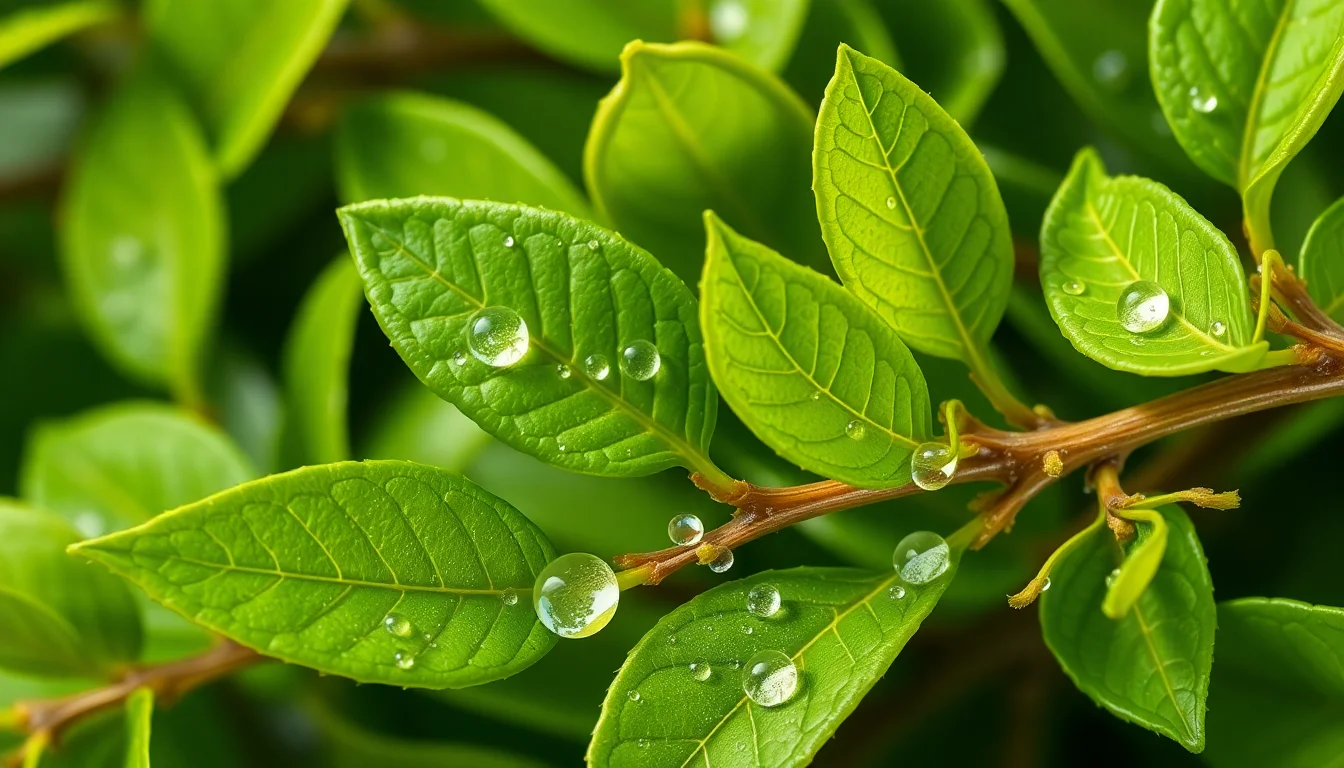
Petitgrain lemon oil comes from the leaves and twigs of lemon trees, offering a bright, citrusy aroma with woody undertones. You’ll find it in colognes, soaps, and household cleaners for its fresh, uplifting scent. This oil bridges the gap between citrus and herbal notes, making it versatile in perfumery. Its natural origin and complex profile help create authentic, layered fragrances that feel both clean and sophisticated.
Safety Profile
GENERALLY SAFEWhat Does Petitgrain lemon oil Smell Like?
Petitgrain lemon oil bursts with a zesty, green citrus opening reminiscent of crushed lemon leaves. The top notes are vibrant and slightly bitter, like a lemon peel rubbed between fingers. As it evolves, a woody heart emerges with subtle floral whispers, softer than orange petitgrain but more crisp. The dry-down reveals a clean, slightly mossy base that lingers like the memory of a Mediterranean grove. Unlike fruit-derived citrus oils, it carries a sappy, vegetal depth that prevents cloying sweetness.
In Famous Fragrances
Fragrance associations may not reflect actual formulations.
Used here to amplify the citrus-herbal duality, petitgrain lemon adds razor-sharp freshness to the iconic hesperidic structure. Its woody facets bridge bergamot to oakmoss.
Provides the ‘just-showered’ cleanness by blending citrus top notes with white musks. The lemon petitgrain prevents the soapy accord from becoming flat.
Chemistry, Properties & Perfumer Guide
The Chemistry
Petitgrain lemon oil is steam-distilled from Citrus limon foliage, containing mainly monoterpenes like limonene (40-60%) and β-pinene (10-20%). Unlike fruit oils, it’s richer in oxygenated compounds like linalool and linalyl acetate (5-15%), contributing to its floral-woody character. The absence of phototoxic furanocoumarins makes it safer than expressed citrus oils. Gas chromatography shows significant variation based on harvest time – spring cuttings yield higher citral content for more lemon-like tones.
Physical & Chemical Properties
| Appearance | Pale yellow liquid |
|---|---|
| Boiling Point | 175-190 °C (main components) |
| Flash Point | ~60 °C |
| Density | 0.85-0.88 g/cm³ |
| Optical Rotation | +60° to +75° |
Key Constituent Properties
| Constituent | CAS | MW | BP °C | XLogP | Vapor P. |
|---|---|---|---|---|---|
| Limonene | 5989-27-5 | 136.23 | 175 | 4.2 | 1.5 mmHg |
| β-Pinene | 127-91-3 | 136.23 | 165 | 3.6 | 2.5 mmHg |
Perfumer Guide
| Application | Typical % | Range | Notes |
|---|---|---|---|
| Fine Fragrance | 1-3% | Up to 5% | Adds natural citrus lift without top note harshness |
| Soaps/Detergents | 0.5-2% | Up to 3% | Provides long-lasting freshness after initial citrus fades |
Classic Accords
Tip: Use to extend citrus top notes – it holds longer than expressed lemon oil while avoiding the waxy character of distilled lemon oil.
Alternatives & Comparisons
From bitter orange trees, more floral and less citrusy. Better for neroli-like effects but lacks the sharp lemon character.
Pure lemon aldehyde. More intense but lacks the woody complexity. Requires careful dosing to prevent soapy off-notes.
Safety, Regulatory & Sustainability
⚠ Regulatory Disclaimer
General reference only. Consult current IFRA Standards Library before formulating.
IFRA Status
No restrictions under IFRA 49th Amendment. Classified as non-phototoxic citrus oil due to distillation process removing furanocoumarins.
EU Allergen Declaration
Contains limonene (≥1%) which requires allergen labeling under EU Regulation (EC) No 1223/2009.
GHS Classification
RIFM Assessment
RIFM assessment confirms safe use at current industry levels. No sensitization concerns below 3.9% in leave-on products.
Sustainability
Sourced as a byproduct of lemon cultivation, utilizing pruned branches that would otherwise be discarded. Most production comes from small farms in Argentina and Italy practicing integrated pest management. Synthetic alternatives exist but lack the natural complexity. Distillation requires significant energy input – some producers now use solar-powered stills.
Explore Petitgrain lemon oil
Browse essential oils and aroma compounds.
Browse on iHerb →Affiliate disclosure: we may earn a small commission at no extra cost to you.
References
- Dugo et al. (2011). Citrus Oils: Composition and Applications. Flavour and Fragrance Journal. DOI:10.1002/ffj.2056
- PubChem Compound Summary for Limonene CID 22311
Data: PubChem (NIH), PubMed, RIFM, IFRA. Last reviewed: Apr 2026.
Report a data errorIngredient Data Sheet
CAS 8048-51-9Odor & Flavor
| The oil is obtained by steam distillation of the leaves, small terminal twigs and small unripe fruits with yields varying between 0.16 and 0.23%. It exhibits a characteristic odor of the leaves.📖 Fenaroli |
Regulatory Status
| IOFI Classification | Natural📖 Fenaroli |
Physical data: PubChem (NIH/NLM), U.S. EPA CompTox Dashboard, EPA OPERA models, RDKit. Odor & flavor: Arctander (Perfume & Flavor Chemicals), Fenaroli's Handbook of Flavor Ingredients, Leffingwell. Thresholds: van Gemert (Compilations of Odour Threshold Values). Regulatory: IFRA Standards 51st, FEMA GRAS. Trade names: Surburg (Common Fragrance & Flavor Materials). All data compiled and cross-referenced for perfumertools.com.