
Labdanum extract ambreine (CAS 68917-77-1) — Balsamic Base Note Fragrance Ingredient
Labdanum extract ambreine
CAS 68917-77-1
What Is Labdanum extract ambreine?
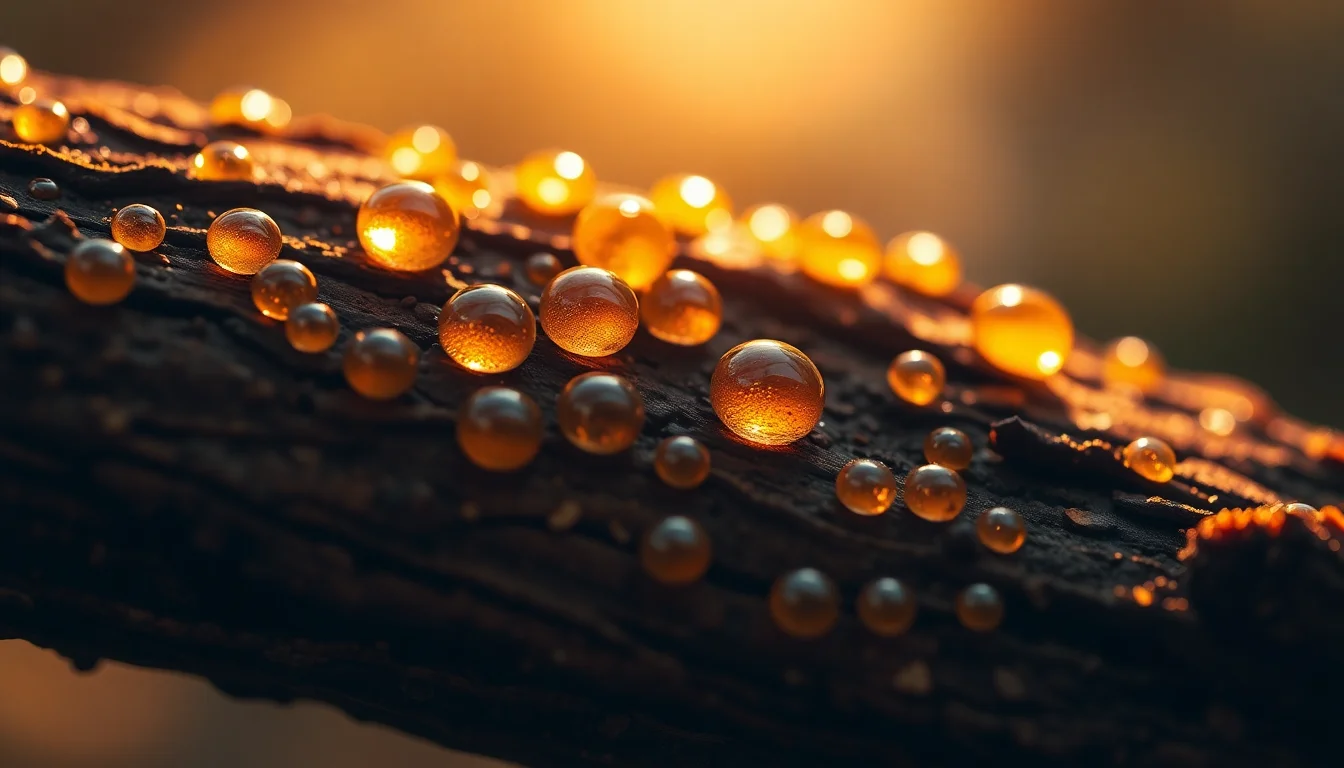
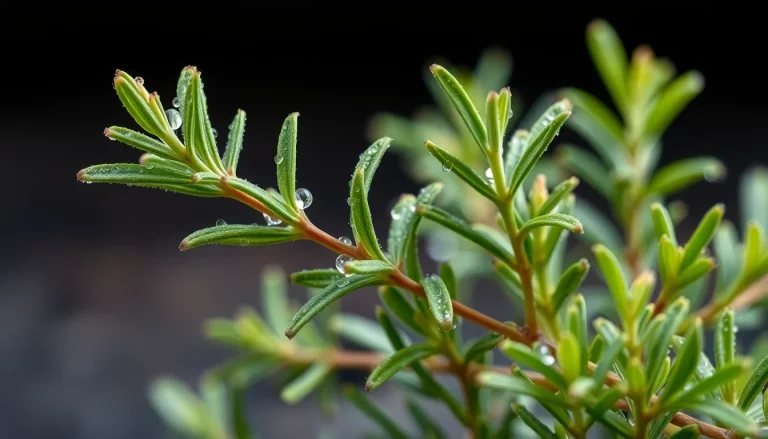
Labdanum extract ambreine is a precious resinoid derived from the Cistus ladanifer shrub, often encountered in high-end perfumes and incense. Its warm, leathery-amber scent has been treasured since ancient times for creating mystical atmospheres. This ingredient matters because it forms the backbone of classic amber accords, adding a rich animalic depth that synthetic ambers can’t fully replicate. Modern perfumers value it for bringing authenticity and historical continuity to oriental compositions.
Safety Profile
GENERALLY SAFEWhat Does Labdanum extract ambreine Smell Like?
Labdanum ambreine unfolds like ancient parchment dipped in honey – initially sticky-sweet with resinous overtones that gradually reveal a complex symphony of warm leather, dried fruits, and faintly musky undertones. The top carries a medicinal herbaceousness reminiscent of sun-baked Mediterranean scrubland, while the heart develops into a plush amber accord with nuances of tobacco and beeswax. Unlike synthetic ambers, it maintains a living, breathing quality throughout drydown, leaving trails of vanillic warmth intertwined with smoky echoes. When diluted, it reveals hidden floral facets resembling immortelle and chamomile tea.
In Famous Fragrances
Fragrance associations may not reflect actual formulations.
Uses labdanum ambreine as the central pillar, creating a resinous amber that feels simultaneously ancient and modern through skillful balancing with spices and herbs.
Pioneered the use of labdanum in modern perfumery, where the ambreine fraction adds leathery depth beneath the citrus and lavender top notes.
Chemistry, Properties & Perfumer Guide
The Chemistry
Labdanum ambreine represents the polymerized fraction of labdanum resin, containing complex diterpenoid structures formed through oxidative polymerization of labdane-type compounds. Unlike steam-distilled labdanum oil, the extract retains high molecular weight components responsible for its exceptional tenacity. Traditional harvesting involves scraping the sticky resin from goat’s wool after the animals brush against Cistus shrubs. Modern extraction uses hydrocarbon solvents to yield absolute or resinoid forms, with ambreine being the most prized fraction for its smooth, rounded amber character.
Physical & Chemical Properties
| Appearance | Dark viscous resin |
|---|---|
| Solubility | Soluble in ethanol, fixed oils |
Perfumer Guide
| Application | Typical % | Range | Notes |
|---|---|---|---|
| Fine Fragrance | 1-3% | Up to 5% | Forms the foundation of amber accords |
Classic Accords
Tip: Pre-dilute to 50% in DEP for easier handling and better incorporation in ethanol bases.
Alternatives & Comparisons
Synthetic ambergris replacement that provides some amber qualities but lacks the complex resinous depth of natural labdanum.
Safety, Regulatory & Sustainability
⚠ Regulatory Disclaimer
General reference only. Consult current IFRA Standards Library before formulating.
IFRA Status
No restrictions under current IFRA standards (as of 2023).
RIFM Assessment
Considered safe at current usage levels based on RIFM evaluation of labdanum derivatives.
Sustainability
Wild harvesting of Cistus shrubs in Mediterranean regions follows traditional methods with low environmental impact. Ethical sourcing initiatives ensure fair compensation for harvesters while preventing overexploitation. Some producers now cultivate Cistus specifically for resin production, reducing pressure on wild populations. The solvent extraction process requires energy but generates less waste than steam distillation.
Explore Labdanum extract ambreine
Browse essential oils and aroma compounds.
Browse on iHerb →Affiliate disclosure: we may earn a small commission at no extra cost to you.
Related Research
- 2,5-Dimethyl-4-methoxy-3(2H)-furanone (CAS 4077-47-8) — Sweet Middle Note Fragrance Ingredient
- Diethyl tartrate (CAS 87-91-2) — Sweet Base Note Fragrance Ingredient
- alpha-Methylbenzyl propionate (CAS 120-45-6) — Sweet Top to Middle Note Fragrance Ingredient
- 3-Hexanone, 5-mercapto-5-methyl- (CAS 851768-51-9) — Citrus Top Note Fragrance Ingredient


![Quinoline, 5,6,7,8-tetrahydro-8-[(1R)-1-methylpropyl]-, (8R)-rel- (CAS 1401914-95-1) — Woody Base Note Fragrance Ingredient](https://thegoodscents.company/wp-content/uploads/2026/04/quinoline-5-6-7-8-tetrahydro-8-1-3-768x439.webp)