Marjoram, pot, oil (CAS 336185-21-8) — Green Middle Note Fragrance Ingredient
Marjoram, pot, oil
CAS 336185-21-8
What Is Marjoram, pot, oil?
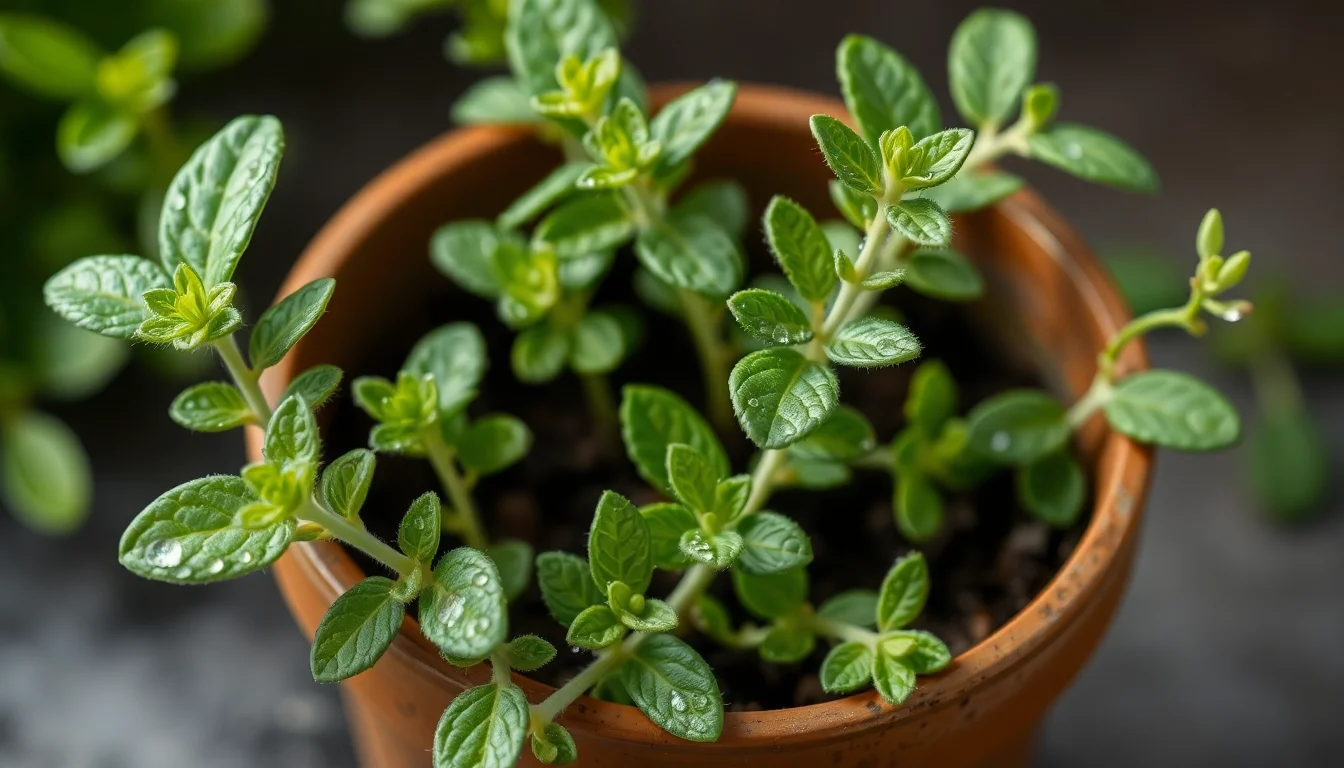
Pot marjoram oil is a fragrant essential oil derived from the leaves of the pot marjoram plant, commonly used in aromatherapy and culinary applications. It’s often found in herbal teas, Mediterranean dishes, and natural wellness products. This oil is valued for its soothing properties and distinctive herbal aroma, making it a favorite in both kitchens and personal care products.
Safety Profile
GENERALLY SAFEWhat Does Marjoram, pot, oil Smell Like?
Pot marjoram oil exudes a warm, herbaceous aroma with subtle woody undertones. Its top notes are fresh and slightly camphoraceous, evolving into a heart of sweet, earthy warmth reminiscent of thyme and oregano. The dry-down reveals a comforting, slightly balsamic character that lingers softly. This oil’s scent profile is both invigorating and calming, making it versatile in blends.
In Famous Fragrances
Fragrance associations may not reflect actual formulations.
Pot marjoram oil adds a green, herbaceous depth to this fresh fragrance, complementing the citrus and floral notes with its earthy warmth.
Used to enhance the aromatic, slightly bitter herbal character, blending seamlessly with musk and woody notes.
Chemistry, Properties & Perfumer Guide
The Chemistry
Pot marjoram oil is primarily composed of terpenes and phenols, including terpinen-4-ol, γ-terpinene, and sabinene. These compounds contribute to its characteristic aroma and therapeutic properties. The oil is typically extracted via steam distillation of the plant’s leaves and flowering tops, preserving its volatile constituents.
Physical & Chemical Properties
| Boiling Point | N/A |
|---|---|
| Density | N/A |
Perfumer Guide
| Application | Typical % | Range | Notes |
|---|---|---|---|
| Fine Fragrance | 1-3% | Up to 5% | Adds herbal complexity |
| Aromatherapy | 2-5% | Up to 10% | Soothing and calming |
Classic Accords
Tip: Blend with citrus or floral notes to balance its herbaceous intensity.
Alternatives & Comparisons
A sweeter, less camphoraceous alternative with similar therapeutic properties.
For a more pungent, spicy herbal note in robust blends.
Safety, Regulatory & Sustainability
⚠ Regulatory Disclaimer
General reference only. Consult current IFRA Standards Library before formulating.
IFRA Status
No restrictions under current IFRA standards.
RIFM Assessment
RIFM assessment confirms safety at typical usage levels.
Sustainability
Pot marjoram is cultivated widely in Mediterranean regions, often organically. Sustainable harvesting practices ensure minimal environmental impact. The plant is resilient, requiring less water than many crops, making it an eco-friendly choice for essential oil production.
Explore Marjoram, pot, oil
Browse essential oils and aroma compounds.
Browse on iHerb →Affiliate disclosure: we may earn a small commission at no extra cost to you.
References
- PubChem. Pot Marjoram Oil. PubChem
- Essential Oil Safety, 2nd Edition. Tisserand & Young. ScienceDirect
Data: PubChem (NIH), PubMed, RIFM, IFRA. Last reviewed: Apr 2026.
Report a data error
![1,5-Dimethylbicyclo[3.2.1]octan-8-one-oxime (CAS 75147-23-8) — Woody Middle to base Note Fragrance Ingredient](https://thegoodscents.company/wp-content/uploads/2026/04/1-5-dimethylbicyclo-3-2-1-octan-8-one-oxime-1-768x439.webp)


![Ethanone, 1-[(2R,3S)-1,2,3,4,5,6,7,8-octahydro-2,3,8,8-tetramethyl-2-naphthalenyl]-, rel- (CAS 59056-93-8) — Musky Base Note Fragrance Ingredient](https://thegoodscents.company/wp-content/uploads/2026/04/ethanone-1-1-6-768x439.webp)