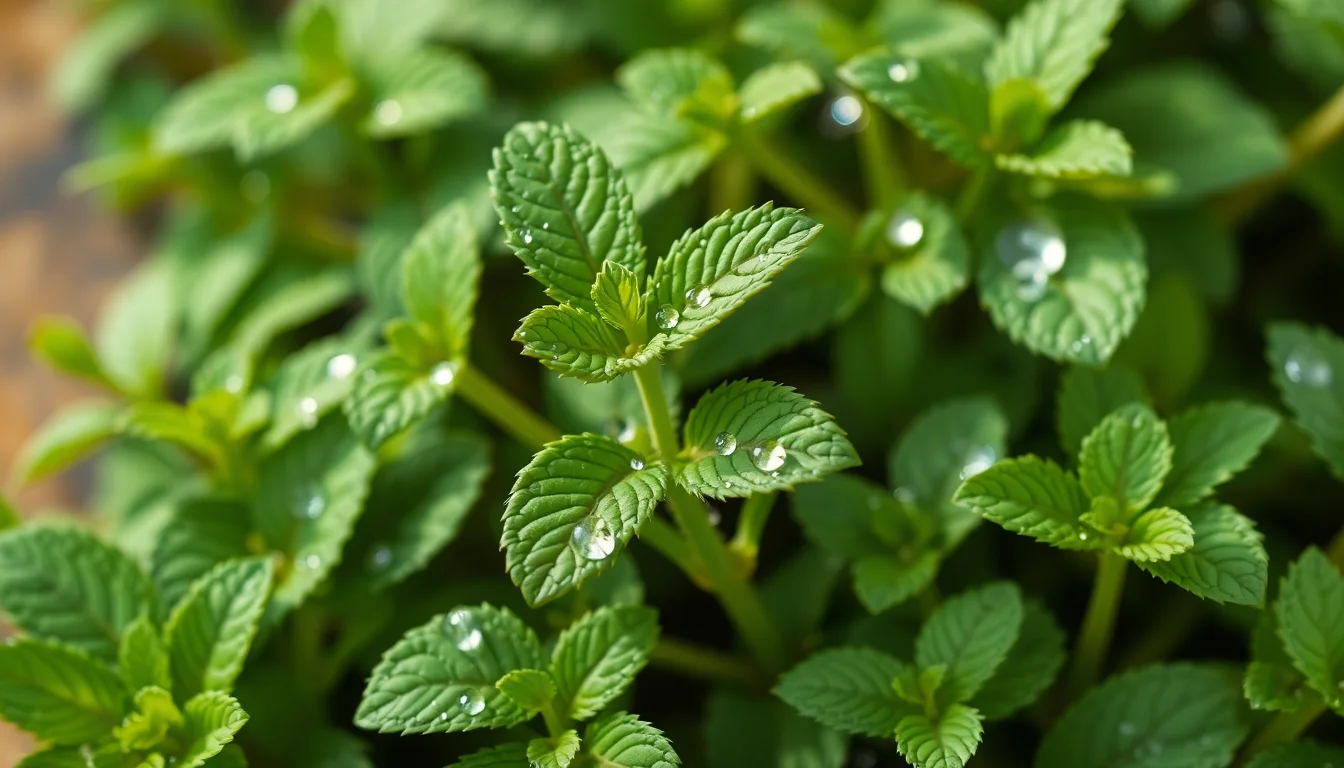
Mentha arvensis oil terpenes (CAS 68608-35-5) — Green Top-middle Note Fragrance Ingredient
Mentha arvensis oil terpenes
CAS 68608-35-5
What Is Mentha arvensis oil terpenes?
Mentha arvensis oil terpenes are the aromatic compounds found in corn mint oil, commonly encountered in chewing gums, toothpaste, and topical pain relief products. These terpenes give the characteristic sharp, cooling minty scent that freshens breath and creates a tingling sensation on the skin. Their cooling properties make them valuable in aromatherapy and personal care, where they provide both fragrance and functional benefits like mild numbing effects.
Safety Profile
USE WITH AWARENESSWhat Does Mentha arvensis oil terpenes Smell Like?
A brisk, penetrating minty aroma with sharp herbaceous green notes and a camphoraceous undertone. The initial impression is intensely cooling, like crushed mint leaves with a medicinal edge, evolving into a cleaner, slightly sweet herbal character. The dry-down reveals woody-pine nuances with lingering freshness, though less persistent than peppermint. The overall effect is less sweet and more rustic compared to other mint oils, with a raw, earthy quality.
In Famous Fragrances
Fragrance associations may not reflect actual formulations.
Used alongside synthetic coolants to amplify the bracing aquatic freshness, contributing to the shower-fresh masculine accord that defined 90s fragrances.
Provides an invigorating herbal lift in this aromatherapy-inspired fragrance, combining with rosemary for a revitalizing tonic effect.
Chemistry, Properties & Perfumer Guide
The Chemistry
Primarily composed of menthol isomers (40-80%) along with menthone, isomenthone, and limonene. The exact composition varies with plant origin and distillation methods. Unlike peppermint oil, it contains higher levels of neomenthol and lacks the intense sweetness of menthyl acetate. The cooling sensation comes from menthol’s ability to activate TRPM8 cold receptors.
Physical & Chemical Properties
| Appearance | Colorless to pale yellow liquid |
|---|---|
| Solubility | Soluble in alcohol, oils; insoluble in water |
Perfumer Guide
| Application | Typical % | Range | Notes |
|---|---|---|---|
| Oral Care | 0.5-2% | Up to 5% | Provides cooling and flavor |
| Topical Rubs | 3-10% | Up to 16% | Analgesic concentration |
Classic Accords
Tip: Combine with synthetic coolants like WS-23 for enhanced cooling without increasing irritation potential.
Alternatives & Comparisons
Sweeter, more refined mint profile with higher menthyl acetate content, preferred when a less harsh mint character is desired.
Safety, Regulatory & Sustainability
⚠ Regulatory Disclaimer
General reference only. Consult current IFRA Standards Library before formulating.
IFRA Status
No restrictions under current IFRA standards (as of 51st Amendment).
EU Allergen Declaration
Contains limonene (≥0.1%) which requires allergen labeling under EU regulation.
GHS Classification
RIFM Assessment
RIFM assessment confirms safety at current use levels in cosmetics.
Sustainability
Primarily cultivated in India and China, with seasonal harvesting impacting supply. Synthetic menthol production reduces pressure on natural sources but lacks the full terpene profile. CO2 extraction methods are gaining traction as more sustainable than steam distillation.
Explore Mentha arvensis oil terpenes
Browse essential oils and aroma compounds.
Browse on iHerb →Affiliate disclosure: we may earn a small commission at no extra cost to you.
References
- PubChem Compound Summary for Mentha arvensis oil PubChem
Data: PubChem (NIH), PubMed, RIFM, IFRA. Last reviewed: Apr 2026.
Report a data errorIngredient Data Sheet
CAS 68608-35-5Physical data: PubChem (NIH/NLM), U.S. EPA CompTox Dashboard, EPA OPERA models, RDKit. Odor & flavor: Arctander (Perfume & Flavor Chemicals), Fenaroli's Handbook of Flavor Ingredients, Leffingwell. Thresholds: van Gemert (Compilations of Odour Threshold Values). Regulatory: IFRA Standards 51st, FEMA GRAS. Trade names: Surburg (Common Fragrance & Flavor Materials). All data compiled and cross-referenced for perfumertools.com.